
Raising a Happy Indoor Cat: Everyday Care Your Feline Will Truly Feel
Bringing a cat into your home is more than providing food and a litter box—it’s about creating a safe, enriching world where your feline can feel secure, understood, and loved. Whether you share your couch with a chatty Siamese, a laid‑back Ragdoll, or a high‑energy Bengal, the basics of cat care stay the same, but the details should be tailored to their personality and breed. This guide walks you through practical, veterinarian‑backed ways to keep your cat healthy and content, with product ideas and gentle routines you can start today.
Building a Safe and Comforting Home Base
Cats feel their best when they know they have “safe zones” they can retreat to whenever life feels a bit too busy.
Choose at least one quiet area where your cat can rest undisturbed—away from loud TVs, slamming doors, and heavy foot traffic. A covered cat bed, cardboard hideaway, or soft blanket-lined carrier can all work beautifully. Many cats love vertical safety too, so consider a sturdy cat tree or wall shelves that allow your cat to perch above the action. This sense of height can be especially comforting for timid cats and older rescues who need time to trust.
Keep your cat’s food, water, and litter box separated; strong litter odors near food and water can discourage healthy eating and drinking. Use a low-dust, unscented litter to reduce respiratory and scent stress. If you have multiple floors or a larger home, providing more than one litter area helps avoid accidents and gives nervous cats options.
Finally, be mindful of household hazards: secure window screens, remove toxic plants (like lilies), and store cleaning products and medications where curious paws can’t reach. A peaceful, predictable environment is one of the kindest gifts you can offer your cat.
Nutrition That Matches Your Cat’s Life Stage and Breed
Good nutrition is one of the strongest foundations of lifelong cat health, and it’s rarely “one size fits all.”
All cats are obligate carnivores, which means they truly need animal-based protein to thrive. Look for complete and balanced foods that meet AAFCO standards for your cat’s life stage (kitten, adult, senior). High-quality commercial foods—whether dry, wet, or a mix—should list a clearly named animal protein (“chicken,” “turkey,” “salmon”) as the first ingredient. Many vets recommend including wet food in the routine to support hydration and urinary tract health.
Breed and body type matter too. Larger, heavier breeds like Maine Coons may benefit from joint-support formulas containing omega-3s (EPA/DHA) and glucosamine. Slender, high-metabolism breeds like Abyssinians or Siamese can need more calories per pound than a sedentary domestic shorthair. Flat-faced breeds like Persians or Exotic Shorthairs sometimes do better with specially shaped kibble or shallow bowls that are easier for them to access.
Indoor-only cats often need fewer calories than outdoor explorers. Watch your cat’s body condition, not just the scale: you should be able to feel, but not see, the ribs, with a visible waist from above. If you’re unsure about how much or what to feed, ask your veterinarian to help you choose a formula and daily portion based on your cat’s age, weight, and medical history.
Helpful products to consider (ask your vet if they fit your cat):- Elevated stainless steel or ceramic bowls for cleanliness and whisker comfort
- Puzzle feeders or slow-feed bowls for fast eaters and bored indoor cats
- Veterinary dental diets or dental treats to support oral health
Hydration, Litter Boxes, and Quiet Health Monitoring
Cats are notoriously subtle when it comes to showing illness, so their daily habits offer important clues.
Many cats naturally have a low thirst drive, which can increase the risk of urinary and kidney problems. Encouraging water intake is especially important for male cats, senior cats, and cats with a history of urinary issues. Some cats prefer wide, shallow bowls that don’t touch their whiskers; others are fascinated by pet water fountains that keep water circulating and fresh. Offering multiple water stations around your home can gently nudge your cat to drink more throughout the day.
The litter box is another key “health dashboard.” A common rule is one box per cat, plus one extra, in different quiet locations. Scoop at least once daily and fully change litter regularly to keep odors down and encourage consistent use. Pay attention to changes: straining, crying, going in and out of the box frequently, blood in the urine, or urinating outside the box can be urgent signs—especially in male cats—of a urinary blockage or infection that needs immediate veterinary care.
Take a few seconds each day to quietly observe: How is your cat walking? Is their coat smooth? Are they grooming too much or too little? Catching small changes early often means easier, less stressful treatment.
Grooming and Coat Care for Different Cat Types
Grooming is about more than beauty; it’s comfort, bonding, and health care rolled into one.
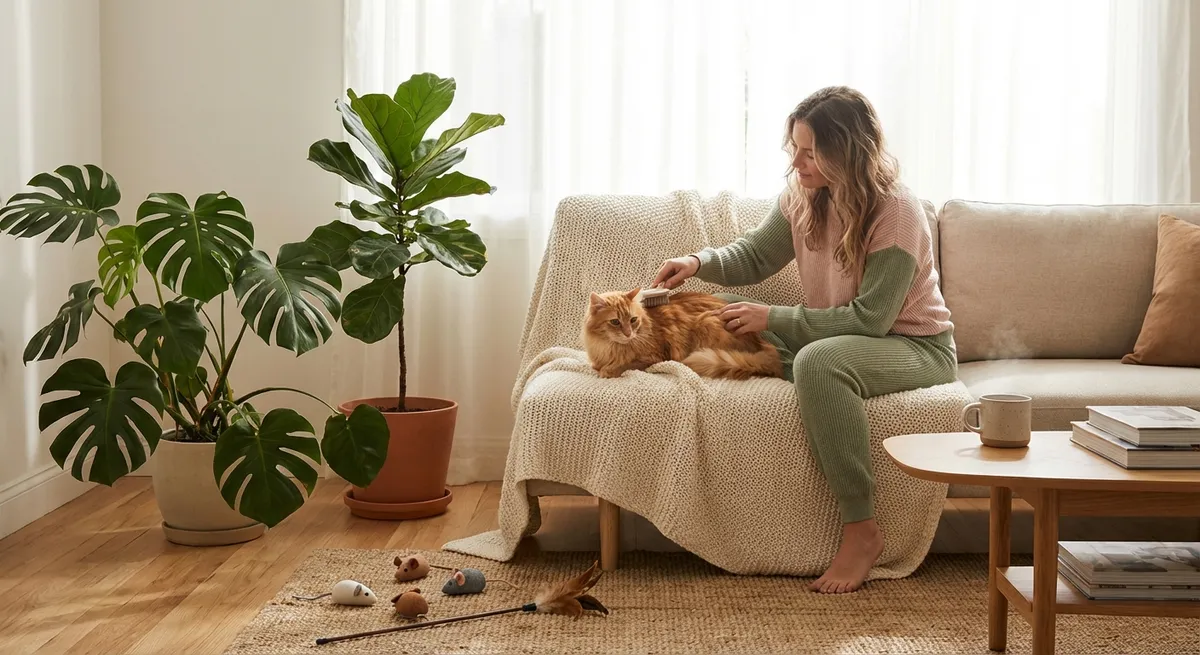
Short-haired cats usually do well with a gentle brushing once or twice a week to remove loose hair and reduce hairballs. A soft bristle brush or rubber grooming glove often works best. Long-haired breeds like Persians, Ragdolls, and Norwegian Forest Cats typically need daily or near-daily grooming to prevent matting, which can be painful and can hide skin infections.
Flat-faced breeds like Persians may need regular eye cleaning using vet-approved wipes or moistened cotton pads to remove discharge that can irritate the skin. Cats with dense double coats (like British Shorthairs or Maine Coons) benefit from undercoat rakes or de-shedding tools used gently and correctly—ask your groomer or vet to show you safe technique.
Regular nail trims help prevent snagging, painful overgrowth, and damage to furniture. Start slowly and pair trims with treats and praise. Many owners find it easier to clip just one or two nails at a time while their cat is sleepy. While cats are expert self-groomers, avoid frequent baths unless medically necessary; harsh shampoos or over-bathing can dry out their skin. Always use cat-safe products.
Enrichment: Preventing Boredom and Stress in Indoor Cats
Indoor life is safest for most cats, but it also needs to be interesting.
Cats are natural hunters and explorers, and when they don’t get to use those instincts, boredom and stress can sneak in as scratching, nighttime zoomies, or even aggression. Interactive toys—like feather wands, laser pointers (used carefully, never in the eyes), and small “prey” toys—mimic hunting and help burn off energy. Rotate toys weekly to keep things fresh and exciting.
Puzzle feeders and treat balls turn mealtime into a brain game, encouraging your cat to “work” for food like they would in nature. Window perches are wonderful for bird-watching and sunbathing; adding a bird feeder outside (while keeping the birds safe at a distance) often creates hours of quiet entertainment.
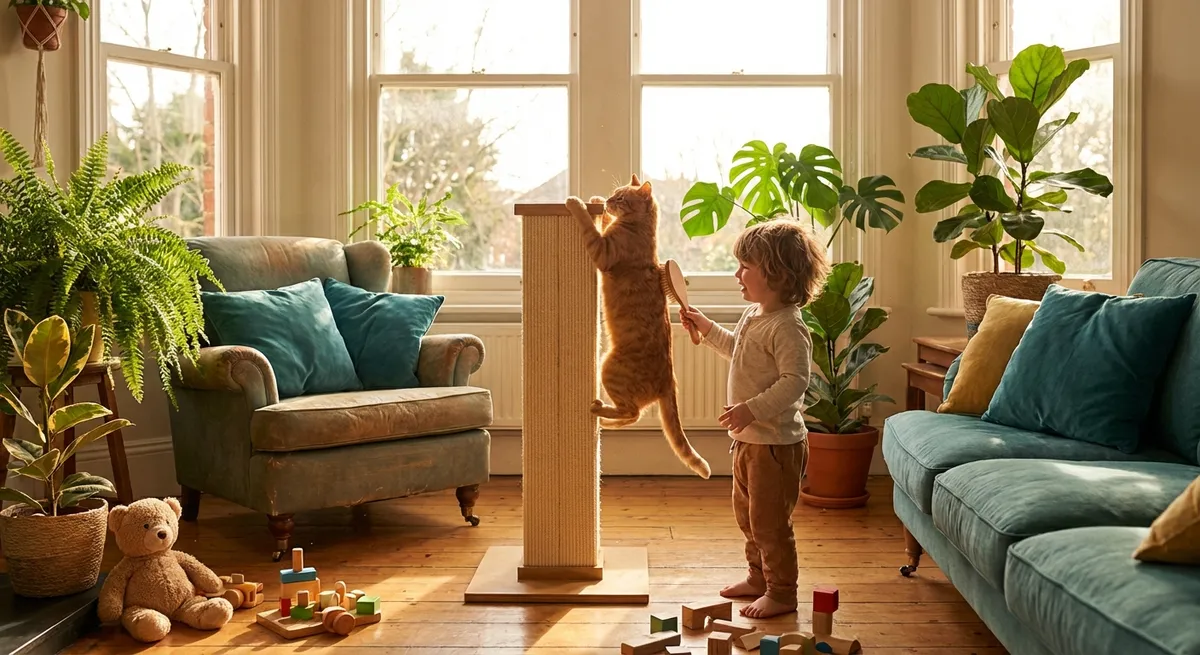
Scratching posts are essential, not optional. Offer a mix of vertical and horizontal scratchers, made of materials like sisal rope, cardboard, or carpet, and place them where your cat naturally likes to scratch (often near sleeping areas or doorways). Reward your cat when they use the post instead of the couch—catnip or silvervine can make posts more appealing.
For highly active or intelligent breeds (Bengals, Abyssinians, Siamese, Oriental Shorthairs), consider short daily training sessions using clickers and treats to teach tricks or target training. Many of these cats blossom when they’re mentally challenged and included in “games” with their humans.
Breed-Specific Notes: Adapting Care to Your Cat’s Needs
Every cat is an individual, but breed tendencies can guide how you shape their environment and routine.
- Persians & Exotic Shorthairs: Their flat faces can predispose them to breathing and eye issues. Keep their environment free of heavy dust and scented litters, groom their faces gently, and use low-sided bowls that don’t press against their nose. Regular vet checks are important for monitoring breathing and dental health.
- Maine Coons & Large Breeds: These gentle giants grow slowly and may not be fully mature until 3–4 years old. Choose sturdy climbing furniture, larger litter boxes, and joint-friendly beds with good padding. Ask your vet about joint support, especially as they age.
- Siamese, Bengals, Abyssinians, Oriental Shorthairs: Highly social and active, they typically need more interactive play and mental stimulation than many laid-back domestic shorthairs. They often do best when they have plenty of vertical space, window views, and regular “play appointments” with their humans. Some even enjoy harness training and supervised outdoor walks.
- Ragdolls & Other Relaxed Breeds: Their calm nature makes them wonderful companions, but it can also hide pain or discomfort. They might not protest much when something is wrong. Watch closely for small changes in appetite, grooming, or activity, and provide soft, easy-to-access resting spots.
Mixed-breed and rescue cats are just as special and can have a blend of traits. Pay attention to your cat’s unique personality—do they crave attention, or prefer quiet companionship? Are they bold explorers or cautious observers? Let their behavior shape your care style.
Vet-Backed Health Basics You Shouldn’t Skip
Routine veterinary care is one of the strongest predictors of a long, comfortable feline life.
Kittens need a full series of vaccines, deworming, and early spay/neuter (timing depends on your vet’s guidance). Adult indoor cats still benefit from regular checkups—typically once a year, and often every six months for seniors. These visits allow your vet to catch dental disease, heart murmurs, weight changes, and early kidney or thyroid problems before they become crises.
Flea, tick, and heartworm prevention isn’t only for outdoor cats; parasites can hitchhike indoors on people, other pets, or clothing. Your vet can recommend preventives suited to your region and your cat’s lifestyle. Never use dog-only products on cats, as some ingredients (like certain permethrins) can be extremely toxic to felines.
Behavior and emotional health matter too. If your cat starts hiding more, over-grooming, acting aggressive, or eliminating outside the box, don’t just assume they’re “being difficult.” Many behavior changes stem from pain, illness, or anxiety. Your vet can help rule out medical issues and suggest behavior strategies, pheromone diffusers, or in some cases, medications.
Think of your veterinarian as a partner in your cat’s life—someone you check in with not only when things go wrong, but to keep your feline feeling their best year after year.
Gentle Product Recommendations to Support Everyday Care
The “best” products are the ones your cat will actually use and that fit your home and budget. When choosing, prioritize safety, sturdiness, and your cat’s preferences.
Helpful categories to explore:
- Comfort & Safety:
- A stable cat tree with multiple perches and hiding spots
- Soft, washable beds placed in quiet and sunny areas
- Secure carriers with front and top openings for easier vet visits
- Feeding & Hydration:
- Wide, shallow bowls or raised stands to reduce whisker stress
- A reliable pet water fountain with replaceable filters
- Vet-approved dental treats or water additives (only under veterinary guidance)
- Enrichment & Behavior:
- Scratchers in different materials and orientations
- Interactive toys (feather wands, balls, catnip toys, food puzzles)
- Feline pheromone diffusers or sprays to ease stress during moves, new pets, or changes
Before introducing any new supplement, diet, or medication, check with your veterinarian. They know your cat’s medical background and can help you avoid products that might interfere with existing conditions or prescriptions.
Conclusion
Your cat may not be able to thank you in words, but they do show gratitude—in the soft kneading on your lap, the slow blinks from across the room, and the quiet comfort of choosing to nap near you. Thoughtful cat care is about noticing who your cat really is and building daily routines around their physical and emotional needs.
By offering balanced nutrition, fresh water, clean litter, gentle grooming, engaging play, and regular veterinary care, you’re doing far more than checking boxes—you’re giving your cat a life where they can feel safe, curious, and deeply loved. Every small, consistent effort you make becomes part of a lifelong bond your cat will feel, every single day.
Sources
- American Veterinary Medical Association – Cat Care - Overview of essential feline care, including preventive health and wellness
- Cornell University College of Veterinary Medicine – Feline Health Topics - Evidence-based information on common cat health issues and preventive care
- American Association of Feline Practitioners – Cat Friendly Homes - Guidance on creating low-stress home environments and handling cats gently
- Indoor Pet Initiative – Ohio State University - Research-backed tips for environmental enrichment and behavioral wellness for indoor cats
- U.S. Food & Drug Administration – Pet Food Labels - Explains how to understand pet food labels and nutritional adequacy statements