Raising a Confident, Healthy Cat: Everyday Care with a Personal Touch
Welcoming a cat into your life means more than filling a food bowl and scooping a litter box. Cats are complex, sensitive companions with emotional needs, breed quirks, and health requirements that can change over time. This guide is here to help you understand your cat more deeply, build a stronger bond, and make informed choices about their care—so your feline friend can feel safe, confident, and truly at home with you.
Understanding Your Cat’s Personality and Stress Signals
Every cat has a unique personality, but they all share one thing: they’re experts at hiding discomfort. Learning to “read” your cat is one of the most powerful ways to protect their health and happiness.
Watch their body language. A relaxed cat will have soft eyes, ears facing forward or slightly to the side, and a loose tail. A stressed or fearful cat may flatten their ears, tuck their tail, dilate their pupils, or freeze in place. Tail swishing, rapid grooming, or suddenly hiding in quiet spaces can signal anxiety.
Changes in routine often trigger stress. New furniture, visitors, moving homes, or even a new scented cleaning product can throw some cats off. Signs of stress might include urinating outside the litter box, overgrooming (leading to bald patches), reduced appetite, or increased vocalization. If these changes appear suddenly, consult a veterinarian to rule out medical issues.
Create safe “escape” zones. Many cats feel calmer when they can observe the world from a higher vantage point or hide in cozy spots. Window perches, cat trees, covered beds, and access to quiet rooms all give your cat choice and control—two things that greatly reduce feline stress.
Most importantly, respect their boundaries. Let your cat initiate contact. Offer a hand to sniff, pet gently around the cheeks, and watch for signs they’ve had enough: tail flicking, skin twitching, or turning away. Cats who feel listened to often become more affectionate over time because they trust that you’ll stop when they ask.
Nutrition with Intention: Feeding for Health, Age, and Lifestyle
Food is more than just “fuel” for your cat; it shapes their energy, weight, coat quality, and long-term health. Cats are obligate carnivores, which means they require nutrients found primarily in animal tissues.
Prioritize complete and balanced diets. Look for packaging that states the food meets AAFCO (Association of American Feed Control Officials) standards or equivalent. The label should indicate the life stage: kitten, adult, or senior. Kittens need higher calories and protein for growth, while seniors may benefit from diets that support kidney, joint, and dental health.
Wet vs. dry food both have roles. Wet food increases water intake, which can help urinary and kidney health, especially in male cats or breeds prone to urinary issues (like Persians). Dry food is convenient and can be useful for free-feeding in certain situations, but portion control is crucial to prevent obesity. Many families use a mix: scheduled wet meals plus measured dry portions.
Watch portions, not just ingredients. Even high-quality food can contribute to weight gain if you’re overfeeding. Use your cat’s body condition as a guide: you should be able to feel, but not easily see, their ribs, and they should have a visible waist from above. If you’re unsure, bring your cat to the vet for a weight check and personalized feeding plan.
Some breeds may need extra nutrition attention. For example:
- Maine Coons & Norwegian Forest Cats often grow until 3–4 years old and may need kitten or “all life stages” food longer.
- Sphynx and other hairless cats have higher energy needs due to heat loss through skin.
- Persians & flat-faced breeds may do better with kibble shapes designed for brachycephalic cats to help them pick up food more easily.
Always introduce new diets slowly over 7–10 days to avoid stomach upset: start with 75% old food and 25% new, and gradually shift the ratio.
Creating a Home that Feels Safe, Stimulating, and Cat-Friendly
Your home is your cat’s entire world. Small changes in environment can make a big difference in their mental health and behavior.
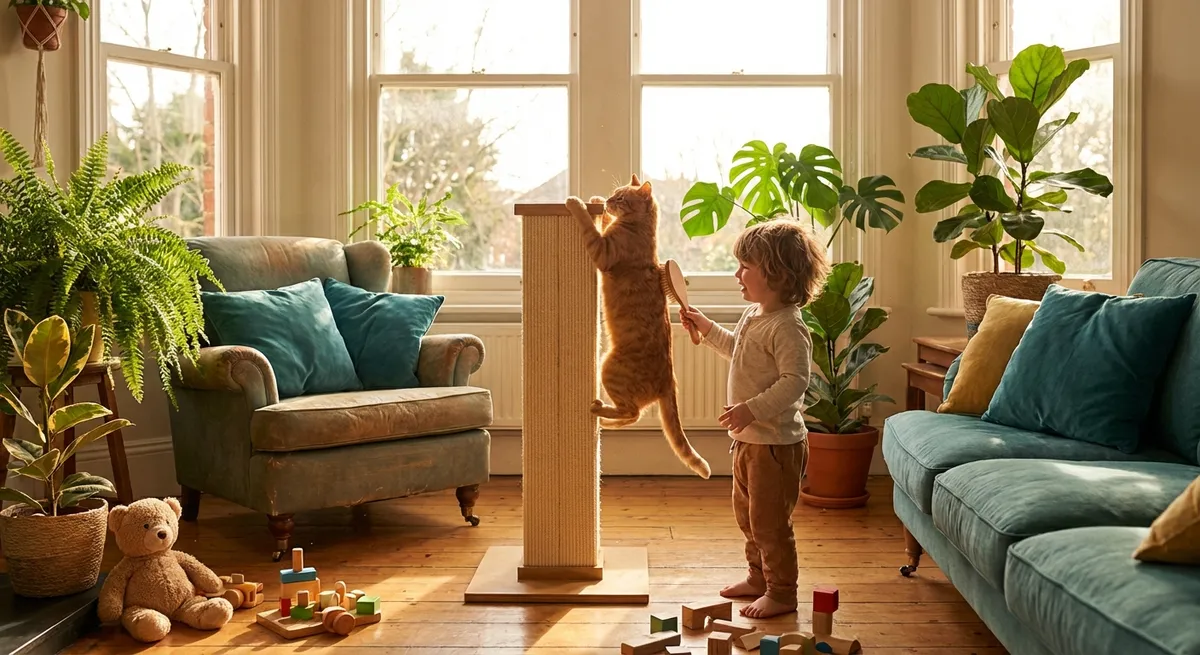
Think vertically as well as horizontally. Cats are natural climbers and observers. Cat trees, floating wall shelves, and window perches expand their territory and give them “lookout” spots. This is especially important for indoor-only cats and multi-cat homes, where vertical space helps reduce tension.
Offer a variety of textures and hideaways. Soft beds, cardboard boxes, tunnel toys, and blankets placed in quiet corners let your cat choose where and how to relax. Many nervous or newly adopted cats feel safer in covered beds or boxes at first.
Use scent to their advantage. Cats rely heavily on scent to feel secure. Avoid frequently changing strong-smelling cleaners or air fresheners. Feline pheromone diffusers or sprays (such as Feliway and similar products) can help some cats feel more comfortable during stressful events like moves, vet visits, or introducing new pets.
Protect their senses. Loud noises, constant shouting, or blasting music can stress sensitive cats. If you host gatherings, set up a calm room with their litter box, food, water, favorite bed, and toys so they have a safe retreat.
Rotate enrichment, don’t overwhelm. You don’t need dozens of toys out at once; rotate a few favorites weekly so they feel “new.” Puzzle feeders, treat balls, and interactive toys keep their brain busy and prevent boredom, which can lead to destructive behavior or overeating.
Smart Play and Exercise: Tapping into Your Cat’s Inner Hunter
Cats may sleep a lot, but they still need regular physical and mental exercise to stay healthy and content. Play isn’t just fun—it’s essential.
Match play to natural hunting behavior. Cats typically stalk, chase, pounce, and “kill.” Wand toys (with feathers, ribbons, or small plush toys) are excellent because you control the movement, mimicking a prey animal. Move the toy like a bird or mouse—quick, darting motions followed by pauses.
Keep sessions short and focused. Two or three play sessions of 5–10 minutes a day are often better than one very long one. End play by letting your cat “catch” the toy and then offering a small snack; this satisfies their hunt-catch-eat cycle and leaves them calmer, not frustrated.
Choose toys wisely for your cat’s age and breed:
- High-energy breeds like Bengals, Abyssinians, and Savannahs thrive on climbing towers, long wand play, and clicker training for tricks.
- More laid-back breeds such as Ragdolls or British Shorthairs may prefer gentle wand toys, soft toss toys, and simple treat puzzles.
- Senior cats often appreciate slower-moving wand toys placed where they don’t need to jump too high. Soft, lightweight toys are easier on achy joints.
Avoid unsupervised string, hair ties, and small parts. These can be swallowed and may cause dangerous intestinal blockages. Store wand toys and anything with string out of reach when you’re not actively playing.
For indoor cats, consider “hunting” mealtimes. Use puzzle feeders, scatter a portion of their kibble in different locations, or hide small portions in clean egg cartons or muffin tins. This encourages problem-solving and gentle movement throughout the day.
Litter Box Peace: Cleanliness, Location, and Cat Preferences
Litter box issues are one of the most common and frustrating problems for cat parents—and one of the clearest ways your cat may be telling you something is wrong.
Start with the basics: number, size, and location. Most veterinarians and behaviorists recommend one box per cat, plus one extra. Boxes should be large enough that your cat can turn around comfortably (often at least 1.5 times their body length). Place boxes in quiet, low-traffic areas where your cat won’t be startled by loud appliances or trapped by other pets.
Cleanliness matters more than you might think. Scoop at least once daily (twice is even better), and fully change litter and wash the box with mild, unscented soap every 1–4 weeks depending on the litter type and number of cats. Many cats dislike strong perfumes; unscented, clumping litter is often a good starting point.
Consider breed and physical needs:
- Large breeds like Maine Coons may do better with extra-large, uncovered boxes or storage-bin style setups.
- Long-haired cats sometimes benefit from slightly larger-grain litter to prevent it from matting in their fur.
- Senior cats or cats with arthritis often prefer low-entry boxes and boxes on each floor of the home, so they don’t have to navigate stairs quickly.
If your cat suddenly starts avoiding the box, call your vet. Urinating outside the box can signal urinary tract infections, bladder stones, kidney disease, pain, or stress—not “spite.” Quick veterinary attention can be life-saving, especially in male cats, where urinary blockages are emergencies.
Grooming with Care: Coat, Claws, and Dental Health
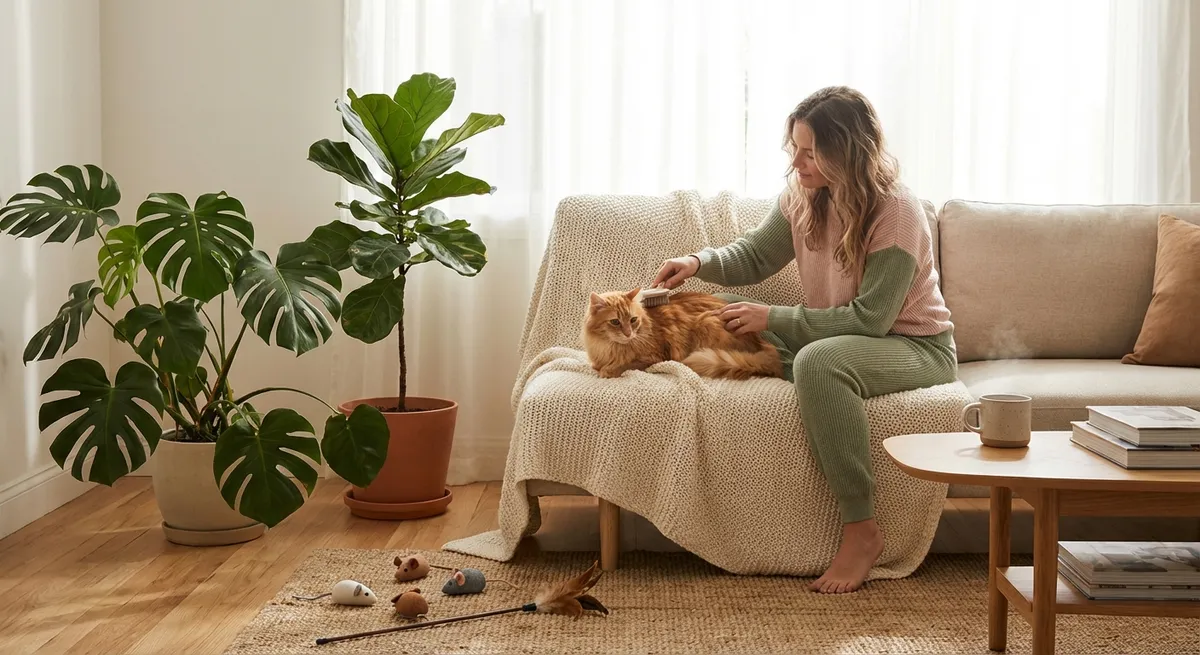
Grooming isn’t just about appearance—it’s health, comfort, and bonding time. Most cats can learn to enjoy gentle grooming if it’s introduced with patience.
Tailor grooming to coat type:
- Short-haired cats usually need brushing once or twice a week with a soft bristle or rubber brush.
- Medium and long-haired cats like Persians, Ragdolls, Maine Coons, and Siberians often need daily or near-daily brushing to prevent mats, especially under the arms, around the neck, and behind the ears.
- Hairless breeds (Sphynx, Bambino, etc.) generally need regular gentle baths because oils build up on their skin; use cat-safe, vet-recommended products and warm (not hot) water.
Introduce grooming slowly. Start with just a few strokes, offer treats, and stop before your cat gets annoyed. This builds positive associations. If your cat is prone to mats, work with your veterinarian or a professional groomer early before things become severe or painful.
Don’t forget the claws. Regular nail trims every 2–4 weeks can prevent overgrowth and reduce accidental scratches. Provide a variety of scratching options—vertical posts, horizontal scratchers, and different materials (sisal, cardboard, carpet). Some breeds, especially active or territorial ones, use scratching more intensively to mark and stretch.
Dental health often gets overlooked. Daily or frequent tooth brushing with cat-safe toothpaste is ideal, but even a few times a week can help. Dental diets, water additives, and vet-prescribed dental chews can also support mouth health, but they’re not a full replacement for professional dental cleanings when needed.
If grooming is a struggle, speak with your vet about behavior strategies or referrals to cat-friendly groomers. Never force grooming to the point of panic; it can damage trust.
Vet-Backed Preventive Care: Vaccines, Checkups, and Screening
Regular veterinary care is one of the strongest predictors of a cat’s long, healthy life. Even indoor-only cats need routine checkups and vaccines.
Schedule consistent wellness visits. Kittens usually see the vet multiple times in their first year for vaccines and growth checks. Healthy adult cats generally benefit from annual exams, while seniors (often 10+ years) may need visits every 6 months. These appointments help catch subtle changes in weight, teeth, heart, and kidneys early.
Core vaccines typically include protection against panleukopenia, calicivirus, herpesvirus, and rabies. Your vet may recommend additional vaccines based on your cat’s lifestyle and risk (for example, if they go outdoors or live with other cats). Follow your veterinarian’s schedule rather than guessing—overdue vaccines can leave your cat vulnerable.
Prevent parasites year-round where recommended by your vet. Even indoor cats can pick up fleas, heartworm (in some regions), or intestinal worms from other pets, visitors’ clothing, or rescued animals you bring home. Many veterinarians recommend monthly or seasonal preventives tailored to your area.
Discuss breed-specific health risks. For example:
- Persians and other brachycephalic breeds may need extra monitoring for breathing issues and eye problems.
- Maine Coons are more prone to hypertrophic cardiomyopathy (a heart condition); your vet may suggest heart screening.
- Siamese and related breeds can have higher risks of certain cancers and dental disease.
Routine blood work and urinalysis in adult and senior cats can reveal early changes in kidney function, thyroid levels, and blood sugar—allowing earlier, more effective treatment.
If vet visits are stressful, ask about cat-friendly handling techniques, pheromone sprays in carriers, or booking at quieter times of day. A calm experience protects both your cat and the vet team.
Thoughtful Product Picks: What Actually Helps Your Cat Thrive
The pet aisle is full of options, and it’s easy to feel overwhelmed. A few well-chosen, cat-centered products are usually far better than a house overflowing with things they don’t use.
Here are categories to focus on, with what to look for:
Food and Water Bowls- Wide, shallow bowls can help prevent whisker fatigue, especially for sensitive cats and brachycephalic breeds.
- Stainless steel or ceramic bowls are easier to clean and less likely to harbor bacteria than plastic.
- For urinary and kidney health, many cats benefit from a cat water fountain; flowing water can encourage more drinking.
- Sturdy, tall posts (at least as tall as your cat fully stretched) with sisal or rough fabric allow full-body stretching.
- For large breeds, choose heavy, stable trees that won’t wobble when they jump.
- Horizontal scratchers are great for older cats and those who don’t like vertical posts.
- For big or long-bodied cats, look for jumbo or extra-large boxes.
- Low-sided boxes or ones with a cut-out entry can help kittens, seniors, and cats with arthritis.
- Covered boxes work for some cats but can trap odors; many vets recommend open boxes, especially for sensitive cats.
- Wand toys, soft kickers filled with catnip or silvervine, treat puzzles, and crinkle tunnels are often hits.
- For smart, high-energy breeds (e.g., Bengals, Abyssinians), puzzle feeders and clicker training tools can be especially satisfying.
- Rotate toys regularly and retire those with frayed strings, loose parts, or damage that could be ingested.
Before buying new products, ask: Does this support a natural behavior—hunting, climbing, hiding, scratching, or observing? If the answer is yes, it’s more likely to be truly enriching for your cat.
Conclusion
Caring for a cat is both an art and a science. The science comes from veterinary guidance, nutrition research, and evidence-based behavior advice. The art is in how you apply it to the unique little personality living in your home—the shy rescue who needs extra patience, the bold Bengal who craves action, the gentle senior who just wants a warm lap and soft brushing.
By tuning into your cat’s body language, choosing the right food and products, staying on top of preventive vet care, and creating a home that honors their natural instincts, you’re doing more than checking boxes on a care list—you’re building a relationship based on trust, safety, and love.
Over time, you’ll become the expert on your cat. And that’s the kind of expertise that matters most.
Sources
- Cornell University College of Veterinary Medicine – Feline Health Topics – Comprehensive, vet-reviewed information on cat health, behavior, and preventive care
- American Association of Feline Practitioners (AAFP) – Feline Care Guidelines – Professional guidelines on vaccination, environmental needs, senior care, and behavior from feline-focused veterinarians
- American Veterinary Medical Association (AVMA) – Cat Care Resources – General cat care advice, including vaccination, wellness visits, and parasite prevention
- International Cat Care – Evidence-based articles on feline behavior, environment, grooming, and stress reduction
- UC Davis School of Veterinary Medicine – Feline Nutrition & Health – Educational resources on cat nutrition, obesity prevention, and breed-related health concerns