Calm Cats, Happy Homes: Stress-Free Living for Every Feline
Sharing your life with a cat should feel peaceful, not puzzling. Yet many cat parents quietly worry: Is my cat bored? Anxious? Lonely when I’m at work? The good news is that with a few thoughtful changes, you can turn your home into a calm, confidence-building space that matches your cat’s unique breed traits and personality.
This guide focuses on reducing stress, preventing behavior issues, and creating a cozy, enriched life for your cat—whether they’re a clingy Ragdoll, an energetic Bengal, or a dignified senior rescue.
Understanding Feline Stress (And Why It Matters)
Cats are masters at hiding discomfort. A cat who looks “chill” might actually be coping with stress in quiet ways that show up as subtle behavior changes. Left unaddressed, long-term stress can contribute to urinary issues, behavior problems, and even a weaker immune system.
Common signs of stress in cats include:
- Hiding more than usual or avoiding family members
- Sudden changes in appetite (eating much more or less)
- Overgrooming, bald patches, or skin irritation
- Increased vocalization (especially at night)
- Litter box accidents or spraying
- Sudden aggression or irritability
Stress can be triggered by loud noises, changes in routine, new pets, boredom, or even rearranged furniture. Because cats are such routine-driven animals, they feel safest when their environment is predictable and they always have a “safe place” to retreat to.
For most cats, building a calmer life means combining three things:
- A sense of safety (quiet spaces, hiding spots, routine)
- Predictable, positive interactions with humans
- Enough mental and physical activity to prevent boredom
Once those pieces are in place, many problem behaviors start to fade, and your cat’s true personality can shine.
Turning Your Home into a Cat-Friendly Sanctuary
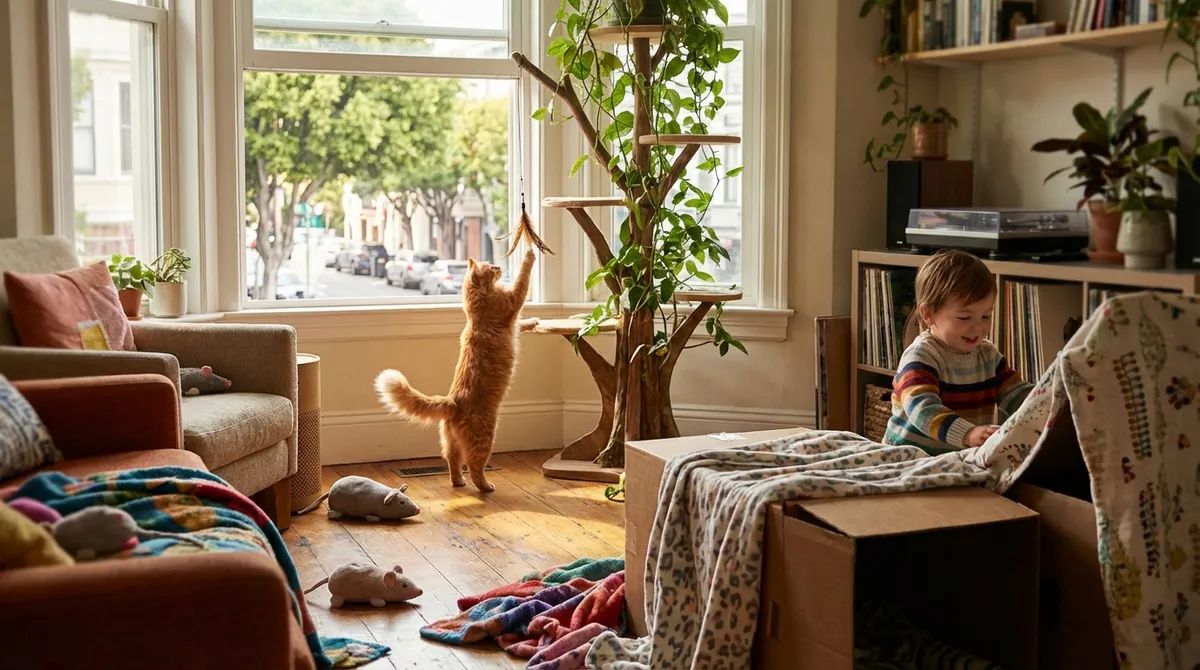
Think of your home from your cat’s point of view: vertical spaces to climb, cozy corners to hide, windows to watch the world, and safe, quiet spots away from chaos. This “environmental enrichment” is one of the most powerful, vet-backed ways to reduce stress.
Here are key elements to focus on:
- Vertical territory: Cat trees, wall shelves, or window perches help your cat feel secure and in control. Many cats relax more when they can observe from above.
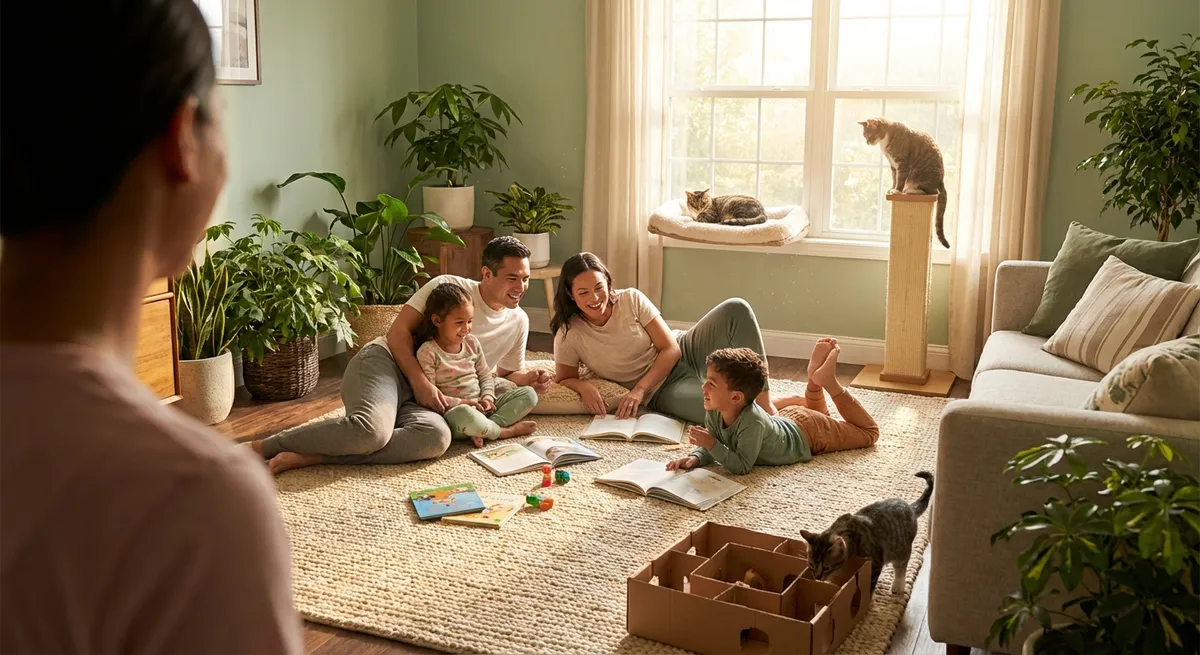
- Safe zones: Provide at least one quiet, low-traffic room or corner with a bed, hideaway box, and water. This is especially important if you have kids, visitors, or multiple pets.
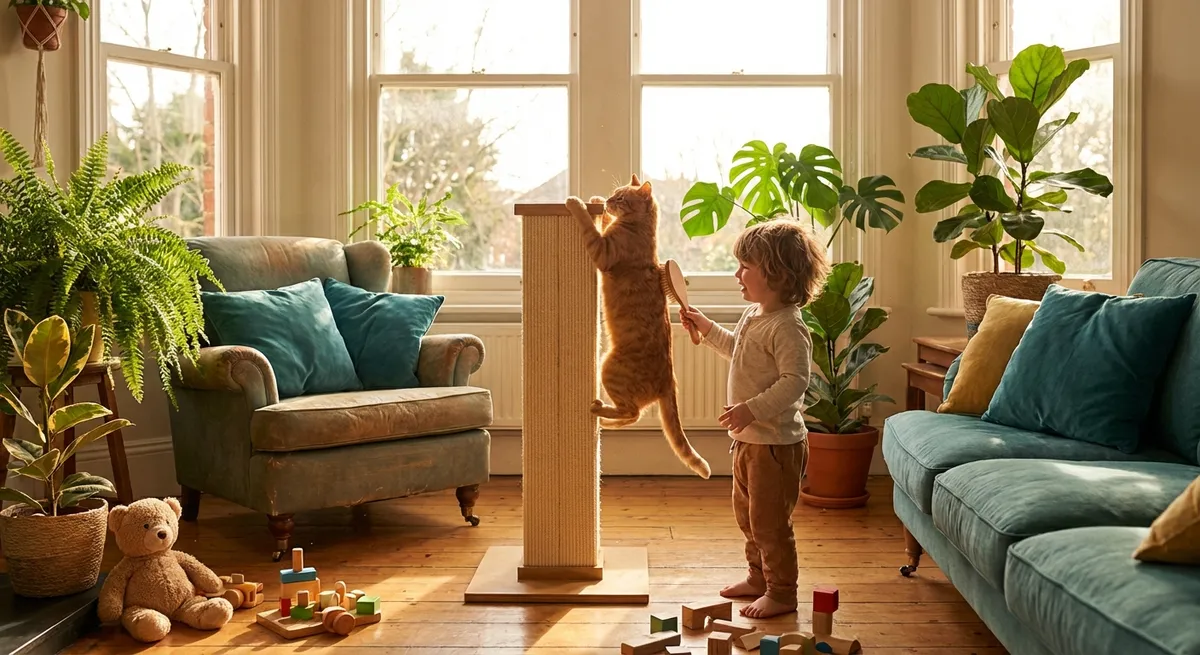
- Scratching options: Offer different surfaces (cardboard, sisal, carpet) and positions (vertical and horizontal). Place them near favorite sleeping spots or doorways where cats naturally like to scratch.
- Consistent routines: Feeding, playtime, and quiet time around the same hours each day helps your cat predict what’s coming and feel secure.
- Gentle sensory input: Soft, washable blankets, warm sun spots, and predictable lighting (not lights flicking on in the middle of the night) all support relaxation.
If your cat is already stressed, make changes gradually. Rearranging everything at once can backfire. Introduce one improvement at a time, watch how your cat responds, and build slowly.
Breed-Specific Tips: Matching Care to Personality
Every cat is an individual, but breed tendencies can give you helpful clues about what your cat needs to feel secure and content. Here are general, vet-aligned suggestions for some popular breeds and types.
Ragdoll & Persian: Gentle, Low-Energy Companions
These breeds often prefer calm, predictable environments and may be more prone to stress in chaotic homes.
Helpful adjustments:
- Prioritize quiet resting spots away from loud TVs or busy hallways.
- Schedule short, gentle play sessions rather than intense, high-energy games.
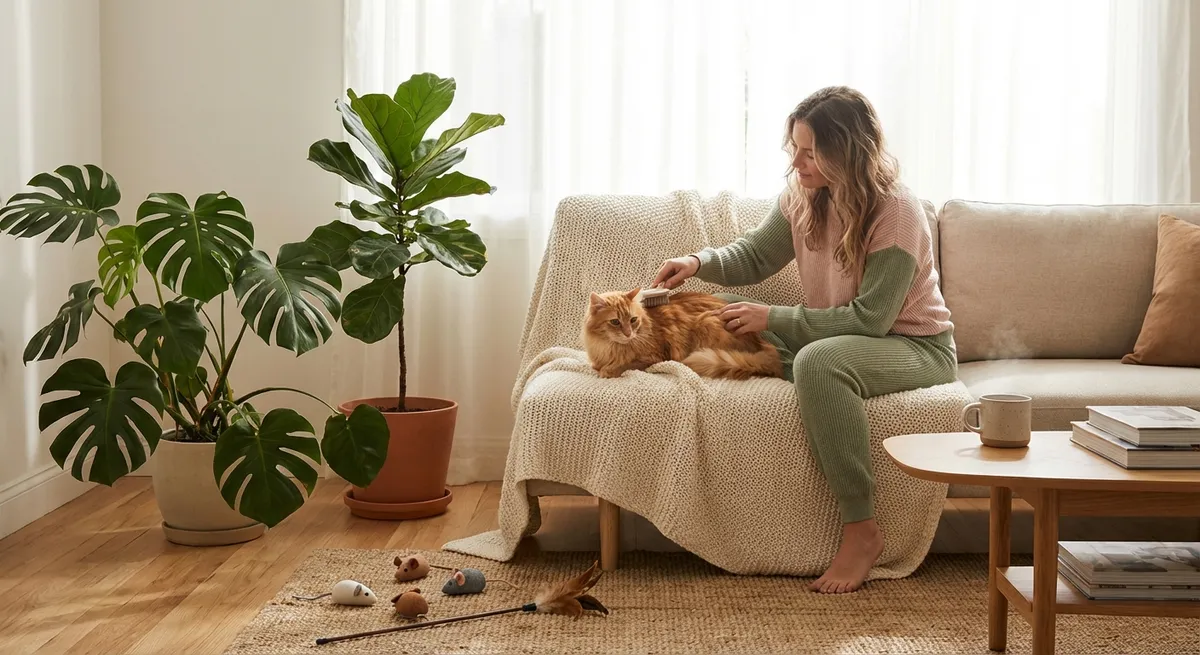
- Keep a consistent grooming routine—tangles and mats can be uncomfortable and stressful.
- Because many are indoor-only, make window perches and soft beds a priority.
Siamese & Oriental Breeds: Social Talkers
These cats are smart, vocal, and often deeply bonded to their humans. Loneliness can be a major source of anxiety.
Supportive strategies:
- Add daily interactive play with wand toys or fetch-style games.
- Offer puzzle feeders or treat balls to engage their minds when you’re away.
- Consider a second compatible cat if your Siamese seems lonely and your lifestyle allows it.
- Talk to them, respond to their meows—many feel comforted when they’re “part of the conversation.”
Bengal, Abyssinian & Other High-Energy Cats
Active breeds get frustrated when they don’t have enough to do. That frustration can turn into destructive scratching, nighttime zoomies, or attention-seeking mischief.
Helpful outlets:
- Structured play: 2–3 focused play sessions a day using chase-style wand toys. End with a small meal to mimic “hunt–eat–groom–sleep.”
- Vertical climbing: Tall cat trees, shelves, or safe access to high areas are essential.
- Rotating toys: Hide some toys and rotate weekly to keep things interesting.
- Clicker training: Many high-energy cats thrive on learning tricks like sit, high-five, or target touch.
Senior Cats & Cats with Mobility Issues
Older cats may feel stressed when they can’t access their favorite spots or are in discomfort but can’t show it clearly.
Gentle accommodations:
- Provide low-entry beds and litter boxes with low sides.
- Add ramps or pet steps to favorite sofas or window spots.
- Keep food and water on the same floor and close to resting areas.
- Schedule regular vet visits to address pain, arthritis, or dental issues that can quietly increase stress.
If your cat is a mixed breed or you don’t know their background, watch their behavior: energy level, social needs, sensitivity to noise, and play style will guide you more accurately than any label.
Choosing Products That Actually Help (Not Just Add Clutter)
The pet market is overflowing with gadgets, but a few categories consistently get a thumbs-up from vets and behaviorists when it comes to reducing stress and boosting wellbeing.
Calming Aids
- Pheromone diffusers or sprays: Products that mimic natural feline facial pheromones (like Feliway) can help many cats feel more secure, especially during big changes (moving, new baby, visitors). They don’t sedate; they simply support a “this is safe” message.
- Calming supplements: Ask your vet about evidence-based options that contain L-theanine, alpha-casozepine, or tryptophan. Not every cat needs them, but they can help in targeted situations.
Enrichment Essentials
- Interactive wand toys: Great for bonding and healthy exercise. Look for sturdy handles and replaceable lures.
- Puzzle feeders and slow feeders: Encourage problem-solving and slow down fast eaters, which can also reduce vomiting and food-guarding.
- Cat trees and shelves: Stable, multi-level structures with sisal posts and hidey-holes are a long-term investment in your cat’s emotional health.
Smart Litter, Food, and Water Choices
- Litter boxes: The general guideline is one box per cat, plus one extra. Place them in quiet, easily accessible spots, not next to noisy appliances. Covered boxes can trap odors and some cats find them stressful; many prefer open boxes.
- Unscented litter: Strong fragrances can be overwhelming for sensitive noses and may cause avoidance.
- Water fountains: Some cats drink more from moving water, which supports urinary health and can prevent discomfort that leads to stress.
Before buying new products, ask yourself:
“Will this help my cat feel safer, more in control, or more engaged?”
If the answer is no, skip it.
Vet-Backed Guidance: When Behavior Signals a Health Issue
Changes in behavior are often the earliest clue that something isn’t right physically. It’s important not to write off every issue as “just stress” or “just being a cat.”
Contact your veterinarian promptly if you notice:
- Sudden litter box changes, especially straining, frequent trips, or crying in the box
- Any sign of blood in urine or stool
- Grooming so intense it causes bald patches or skin damage
- Big shifts in appetite, thirst, or weight
- Dramatic changes in activity level or jumping ability
Your vet may recommend:
- A physical exam, including dental check
- Bloodwork or urine tests to rule out kidney disease, thyroid issues, diabetes, or urinary tract disease
- Pain management for arthritis or injuries
- A behavior plan combining environmental changes, training, and (in some cases) medication
If your cat has a chronic condition (like kidney disease, heart disease, or arthritis), your vet can help you design a home routine that lowers stress: gentle handling, predictable medication times, extra soft bedding, and careful monitoring to catch changes early.
When in doubt, it’s always better to check with your vet. You’re not “overreacting”—you’re advocating for a family member who can’t speak up.
Building a Calmer Routine Your Cat Can Count On
Daily life doesn’t have to be perfect to be cat-friendly. Consistency and small, thoughtful habits matter far more than expensive toys or elaborate setups.
Consider incorporating:
- Morning check-in: A few minutes of quiet petting (if your cat enjoys touch) or soft conversation to start the day on a positive note.
- Scheduled play: Even 10–15 minutes of focused play twice a day can dramatically reduce restlessness and nighttime zoomies.
- Respectful handling: Let your cat choose when to be petted, avoid forcing cuddles, and give them escape routes during social gatherings.
- Calm evenings: Dim lights, quiet activities, and a final play-then-snack session can help your cat settle for the night.
Over time, you’ll get to know your cat’s “stress language”: where they hide, how their tail moves, how their eating and grooming change. That awareness is one of the most powerful gifts you can offer them.
Conclusion
A truly happy cat isn’t just well-fed—they feel safe, understood, and gently challenged by their environment. By tuning into your cat’s breed tendencies, personality, and subtle signals, you can shape a home that eases anxiety, prevents behavior problems, and deepens the bond you share.
You don’t have to change everything at once. Start with one small step—a calmer resting area, a new play routine, or a better-placed litter box—and build from there. Your cat may not say “thank you,” but you’ll see it in softer eyes, relaxed body language, and those quiet moments when they choose to curl up near you, completely at ease.
Sources
- American Association of Feline Practitioners – Environmental Needs Guidelines – Detailed, vet-created guidance on creating a stress-reducing home environment for cats
- Cornell University College of Veterinary Medicine – Feline Behavior Problems – Explains common behavior issues, medical links, and when to seek veterinary help
- American College of Veterinary Behaviorists – Cat Resources – Evidence-based information on feline behavior and anxiety management
- International Cat Care – Environmental Enrichment – Practical ideas for enriching indoor cats’ lives and reducing stress
- ASPCA – Litter Box Problems – Discusses how stress and environmental issues contribute to litter box challenges and how to address them