Cat Care From the Heart: Everyday Rituals Your Feline Will Love
Cats don’t just live in our homes—they shape our routines, calm our nerves, and steal our favorite seats. Caring for them is about much more than food and litter; it’s about creating a life where their instincts, health, and personalities are all respected. This guide walks you through warm, practical, and vet-informed ways to support your cat’s wellbeing, with tips tailored to different breeds and personalities so your feline can truly flourish.
Understanding Your Cat’s “Language” and Daily Needs
Cats communicate constantly—just not always in ways humans naturally understand. Learning how your cat “speaks” can prevent stress-related behaviors and deepen your bond.
Watch their body language: a softly swishing tail, slow blinks, and relaxed whiskers signal comfort; a puffed tail, pinned-back ears, or dilated pupils often mean fear or overstimulation. Vocalization matters too: short chirps or trills tend to be friendly greetings, while long, drawn-out meows may signal discomfort, hunger, or a request for attention.
Create predictable routines around feeding, play, and quiet time. Many veterinarians note that cats are creatures of habit; consistent schedules help reduce anxiety and prevent stress-linked issues like inappropriate urination or overgrooming. Providing multiple safe resting spots—on shelves, window perches, or covered beds—lets your cat choose their comfort level and retreat when the house gets busy.
Respond gently to signs of stress or irritation instead of punishing. Hissing, swatting, or hiding are usually “please give me space” messages, not misbehavior. When they seek you out—head bumps, lap snuggles, or simply choosing to be in the same room—reward that trust with calm attention and soft petting where they enjoy it (often cheeks, under the chin, or at the base of the tail).
Nutrition That Matches Your Cat’s Life Stage and Lifestyle
Choosing the right food is one of the most important decisions you’ll make for your cat. Cats are obligate carnivores, which means they require nutrients found primarily in animal tissues, including specific amino acids like taurine and arginine.
Look for complete and balanced diets that meet AAFCO (Association of American Feed Control Officials) standards. Quality commercial foods—whether dry, wet, or mixed feeding—are formulated to meet your cat’s needs at each life stage: kitten, adult, or senior. Kittens need higher protein and calorie density to support growth, while senior cats often benefit from carefully managed calories, joint-supporting nutrients, and kidney-friendly formulas when recommended by a vet.
Indoor-only cats tend to have lower calorie needs, especially if they are less active, while very playful or large breeds may need slightly more energy. Many vets suggest wet food as at least part of the diet to support hydration, which is especially important for urinary tract health.
Some helpful, vet-favored product types to consider (always introduce gradually and get specific vet advice for medical concerns):
- High-quality wet food: Supports hydration and can be easier for cats with dental issues.
- Dental diets and dental treats: Formulated to help reduce tartar (look for VOHC – Veterinary Oral Health Council – approval).
- Veterinary therapeutic diets: For kidney disease, urinary crystals, weight management, or GI sensitivity—only use under veterinary guidance.
Remember: sudden diet changes can upset your cat’s stomach. Transition over 7–10 days by gradually increasing the ratio of new to old food.
Creating a Cat-Friendly Home: Enrichment, Territory, and Comfort
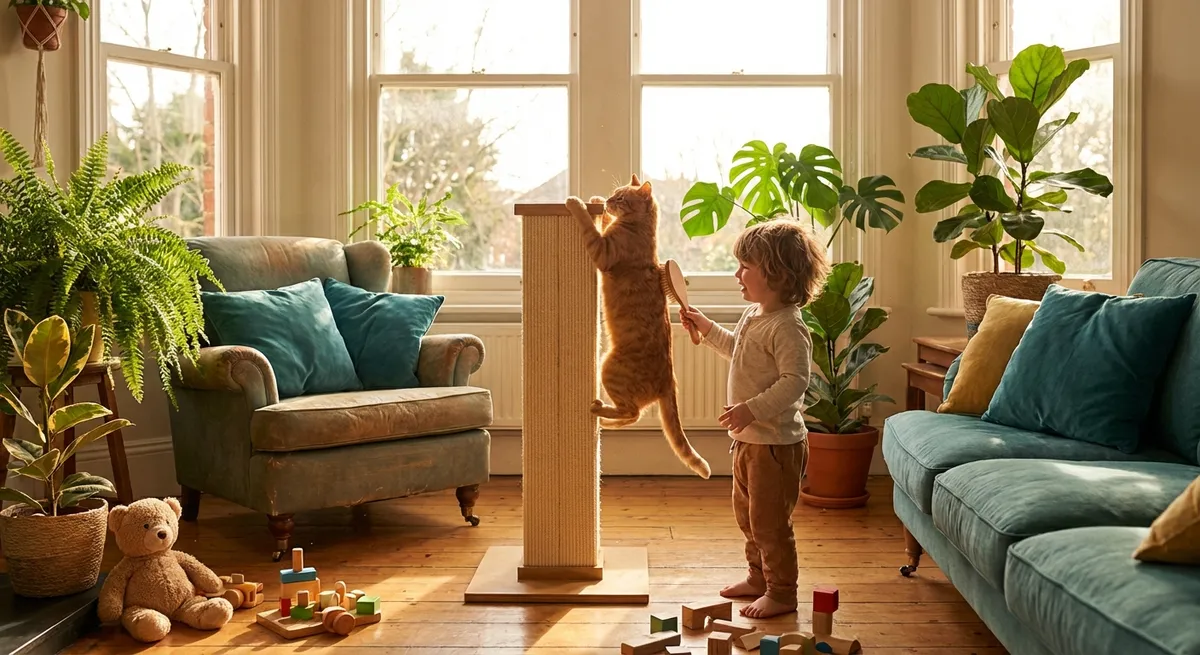
A cat-friendly home is less about fancy décor and more about recognizing that your cat views your space in three dimensions: floor, furniture, and up-high. Satisfying their need to climb, scratch, hide, and hunt reduces boredom and behavior issues.
Offer vertical spaces like cat trees, wall-mounted shelves, or sturdy bookcases with safe access. Many breeds—such as Bengals, Abyssinians, and Oriental Shorthairs—are especially fond of climbing and perching high to observe their territory. Vertical territory can also reduce tension in multi-cat homes by giving each cat more “real estate.”
Scratching isn’t bad behavior; it’s essential for claw health, stretching, and stress relief. Provide scratching posts of different materials (sisal, cardboard, carpet) and orientations (vertical and horizontal). Place them near favorite nap spots and in social areas so your cat naturally chooses them over furniture.
Interactive play is a must, not a luxury. Try 10–15 minute sessions twice daily using wand toys, feather teasers, or small “prey-like” toys that move unpredictably. Many vets recommend a “hunt, catch, eat, groom, sleep” sequence: play first, then offer a small meal or treat to complete the instinctive cycle.
Soothing extras to consider:
- Window perches so your cat can watch birds, people, or leaves.
- Puzzle feeders or treat balls to make meals more mentally engaging.
- Cat-safe plants like cat grass for nibbling and stimulation (avoid toxic ones like lilies).
Breed-Specific Tips: Matching Care to Your Cat’s Genetics
While every cat is an individual, breed tendencies can guide you toward more personalized care. Mixed-breed and rescue cats may share traits with certain breeds too, so you can adapt these ideas even if your cat isn’t purebred.
Long-Haired Beauties (Persian, Ragdoll, Maine Coon, Norwegian Forest)
These cats often have dense, luxurious coats that mat easily. Daily or near-daily brushing with a slicker brush and wide-toothed comb helps prevent painful tangles and hairballs. Focus gently around the armpits, belly, and behind the ears—common mat zones.
Persians and some flat-faced breeds may need extra eye care (wiping discharge with a vet-approved solution) and are more prone to dental and breathing issues. Ragdolls and Maine Coons can be large and easygoing, which makes obesity a risk; choose measured meals and schedule regular weight checks.
High-Energy Explorers (Bengal, Abyssinian, Siamese, Oriental Shorthair)
These breeds tend to be athletic, vocal, and very intelligent. They may become anxious or destructive if bored. Aim for more frequent, high-intensity play sessions and rotate toys regularly to keep things fresh.
Consider adding safe harness training for supervised outdoor walks if your cat enjoys it—many Bengals and Siamese love the extra stimulation. Provide multiple puzzle feeders and climbing structures, and be prepared for a cat who wants to be involved in everything you do.
Calm Companions (British Shorthair, Scottish Fold, Some Domestic Shorthairs)
Many of these cats are more relaxed and may be content with gentler play and lots of cozy spaces. Because they’re often less active, calorie control is important to prevent weight gain and joint stress.
Scottish Folds require special vigilance for joint and cartilage issues; avoid rough play that stresses their limbs and talk with your vet about any signs of stiffness or reluctance to jump. British Shorthairs are sturdy and can pack on pounds easily, so use measured meals and keep treats under 10% of daily calories.
No matter the breed, regular vet visits and watching your individual cat’s preferences are more important than breed stereotypes. Use breed traits as clues, not rules.
Grooming, Litter Box Harmony, and Daily Health Checks
Everyday care is where you’ll often first spot subtle health changes. Turning simple routines into quiet “check-ins” keeps your cat comfortable and gives you early warning signs.
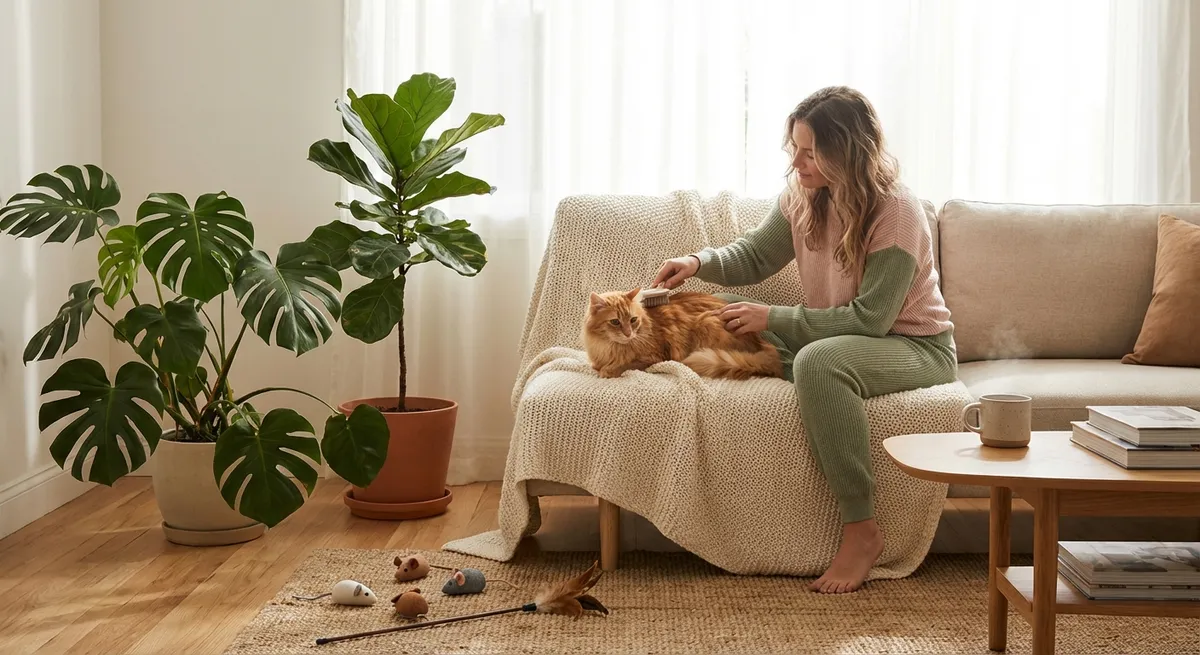
Brushing is beneficial even for short-haired cats. A few minutes several times a week can reduce shedding, support skin health, and lower hairball risk. Many cats learn to love grooming if it’s associated with calm voices and small treats.
Dental care is frequently overlooked but crucial. Periodontal disease is common in adult cats and can affect overall health. Helpful steps include:
- Vet-recommended dental diets or treats (VOHC-approved when possible).
- Cat-safe toothbrushes and toothpaste (never human toothpaste)—start slowly and reward generously.
- Regular professional cleanings as advised by your vet, especially for cats prone to tartar buildup.
Litter box comfort has a huge impact on your cat’s mental and physical health. Good guidelines include:
- At least one box per cat, plus one extra.
- Boxes in quiet, easily accessible spots—not next to noisy appliances.
- Large, uncovered boxes for most cats (some feel trapped in covered ones).
- Cleaning at least once daily and full litter replacement on a regular schedule.
Watch for changes: straining, frequent small urinations, blood in the litter, going outside the box, or crying in the box can signal serious issues like urinary tract infection or blockage—especially urgent in male cats. Prompt veterinary care in these cases can be life-saving.
Vet-Backed Preventive Care: Building a Lifetime Health Plan
Even if your cat seems perfectly healthy, consistent veterinary care is non-negotiable. Cats are masters at hiding pain and illness; by the time they show obvious signs, diseases may be advanced.
Most veterinarians recommend:
- Kittens: Multiple visits for vaccines, deworming, and spay/neuter planning.
- Adult cats (1–7 years): Annual wellness exams, vaccines as needed, and routine bloodwork when indicated.
- Senior cats (7+ years): Exams every 6–12 months, plus more frequent bloodwork and urine tests to screen for kidney disease, hyperthyroidism, diabetes, and other age-related conditions.
Core vaccines (like panleukopenia, herpesvirus, calicivirus, and rabies) protect against serious illnesses; your vet will tailor the schedule based on your cat’s lifestyle (indoor-only vs. outdoor or travel). Parasite control—fleas, ticks, heartworm in some regions, and intestinal worms—should be discussed even for indoor cats, as parasites can hitch a ride on humans or other pets.
Ask your vet about:
- Spay/neuter timing and benefits for behavior and health.
- Weight management, including body condition scoring.
- Joint support if your cat is older, has a large build, or certain breed risks.
Keeping a simple health journal—recording weight, any behavior changes, appetite shifts, or new habits—can help your vet catch patterns early and adjust care accordingly.
Thoughtful Product Choices: What’s Worth Having in Your Cat’s World
The pet aisle can feel overwhelming, but a few well-chosen items can truly elevate your cat’s daily life. Look for products that support natural behaviors, are easy to keep clean, and are backed by vet or behaviorist recommendations.
Useful categories to consider:
- Sturdy scratching posts and boards: Tall enough for a full-body stretch, with stable bases.
- Comfortable beds and hiding spots: Cave-style beds or cardboard boxes with soft blankets for shy cats; window hammocks for sun-lovers.
- Interactive toys: Wand toys, motorized “prey,” and crinkle tunnels that mimic hunting scenarios.
- Food puzzles and slow feeders: To ease fast eating, support weight management, and provide mental stimulation.
- Water fountains: Many cats prefer running water, which can encourage better hydration (especially helpful for urinary health).
When browsing online or in stores, look for brands that share clear safety information, have good product testing, and—ideally—are recommended by veterinary professionals. Rotate toys to prevent boredom, and retire any that become damaged or could pose a choking hazard.
Conclusion
Caring for a cat isn’t about doing everything “perfectly”; it’s about steadily learning who your cat is and adjusting your home, routine, and choices around their needs. When you combine good nutrition, thoughtful enrichment, consistent grooming, and reliable veterinary care, you create a life where your cat feels safe, understood, and deeply loved.
Every cat, from the quiet window-watcher to the acrobatic daredevil, deserves care that respects both their instincts and their individuality. If you keep listening—to your vet, to trustworthy resources, and most importantly, to your cat—you’ll always be heading in the right direction.
Sources
- Cornell Feline Health Center – General Cat Care – Comprehensive, vet-written guidance on feline health, nutrition, and preventive care
- American Association of Feline Practitioners – Feline Behavior Guidelines – Professional recommendations on understanding and supporting normal cat behavior
- American Animal Hospital Association – Feline Life Stage Guidelines – Evidence-based advice on medical and lifestyle needs at each life stage
- American Veterinary Medical Association – Vaccination and Preventive Care for Cats – Overview of core vaccines, parasite control, and routine health recommendations
- International Cat Care – Environmental Needs of Cats – Detailed information on creating cat-friendly homes and reducing stress through enrichment