Heartfelt Cat Care Habits That Make Every Day Better for Your Feline
Sharing your home with a cat means sharing your life with a tiny, whiskered mystery. Under the naps and silliness, your cat depends on you for health, comfort, and security—often in ways that aren’t obvious at first glance. This guide gathers caring, veterinarian-backed advice to help you build everyday habits that truly support your cat’s body and mind, with special notes for different breeds and personalities.
Building a Cozy, Cat-Friendly Home Base
Cats feel safest when their environment is predictable, comfortable, and rich in quiet hiding spots.
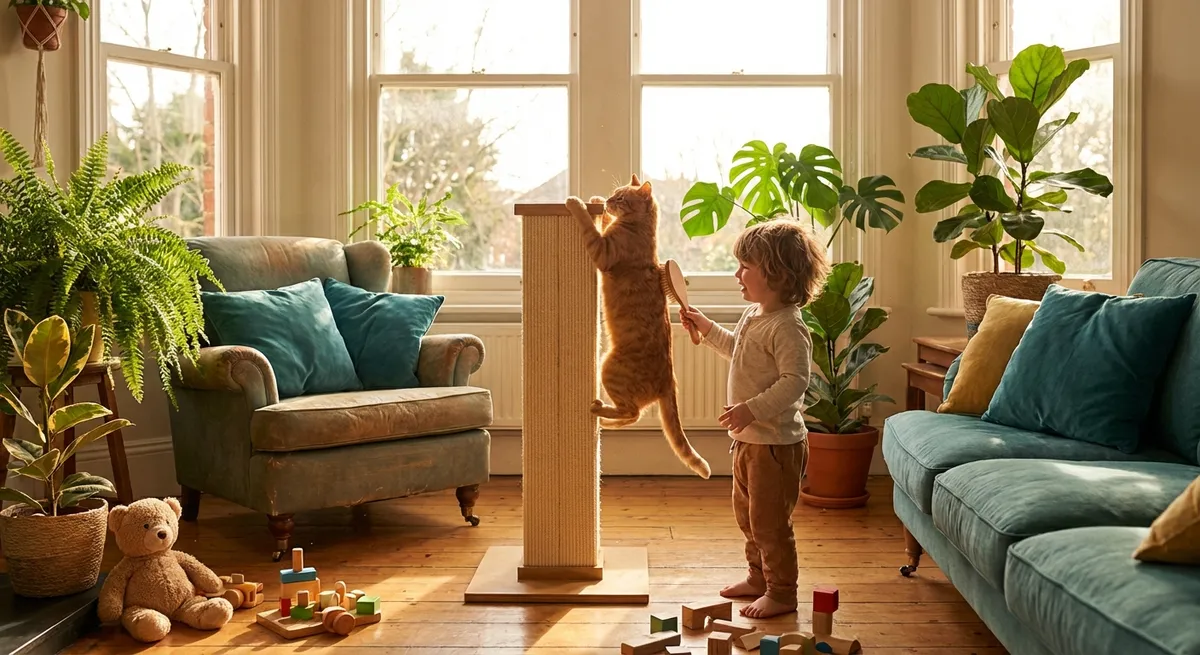
Start with vertical space. Many cats, especially agile breeds like Bengals and Abyssinians, feel more relaxed when they can watch the world from above. Sturdy cat trees, wall shelves, or window perches give them options to climb and observe without feeling cornered.
Offer hiding spaces at ground level too. Soft, enclosed beds, cardboard boxes, or covered cat caves help shy cats or breeds prone to anxiety (like some Orientals or rescue cats with rough histories) feel secure. Place these in calm corners away from loud TVs or heavy foot traffic.
Pay attention to temperature and texture. Short-haired cats like Siamese or Sphynx (who are hairless and prone to getting chilled) usually appreciate soft, warm bedding, while long-haired breeds like Persians or Ragdolls may prefer slightly cooler, breathable fabrics that don’t trap too much heat.
Scent matters as well. Familiar smells—your clothing, their blanket, a favorite toy—are comforting. When you introduce new furniture or move things around, keep one or two “scent anchors” (like a blanket or scratching post) in their usual spots to reduce stress.
Finally, give them safe “escape” options. High shelves, top-of-closet beds, or furniture-sized hiding spots allow your cat to choose distance over confrontation when guests visit or when household activity spikes. A cat who has options is a cat who feels safer.
Everyday Health Routines That Quietly Add Years
Consistent, gentle routines are one of the kindest gifts you can give your cat.
Start with predictable feeding times. Most cats feel more secure when meals arrive on a schedule. For breeds prone to overeating, like many domestic shorthairs or British Shorthairs, measured portions and scheduled meals help prevent obesity—a major risk factor for diabetes, arthritis, and heart disease.
Water intake is just as important. Cats naturally have a low thirst drive, which means they may not drink enough on their own. A circulating water fountain can encourage drinking, especially in breeds predisposed to kidney disease (like Persians and some Abyssinians). Offer multiple water stations in quiet spots, away from litter boxes.
Make tooth care a normal part of life. Once your vet confirms it’s safe, gradually introduce tooth brushing with a cat-specific toothbrush and toothpaste. Oriental breeds (Siamese, Oriental Shorthairs) and smaller-muzzled cats can be prone to dental issues, so early, gentle dental care pays off. If brushing isn’t possible, ask your vet about dental diets or vet-approved dental treats.
Weight checks go a long way. Feel along your cat’s ribs every couple of weeks—ideally, you should be able to feel them under a thin layer of fat without pressing hard. Long-haired breeds like Maine Coons and Norwegian Forest Cats can hide weight gain under their coats, so hands-on checks are especially important.
Lastly, make vet visits a routine, not a reaction. Many indoor cats see the vet only when they’re sick, but annual or semi-annual checkups help catch silent issues like dental disease, heart problems (common in some Maine Coons and Ragdolls), and early kidney disease before they become crises.
Tuning In to Your Cat’s Body: Grooming, Coats, and Claws
Grooming isn’t just about looks—it’s a health check disguised as bonding time.
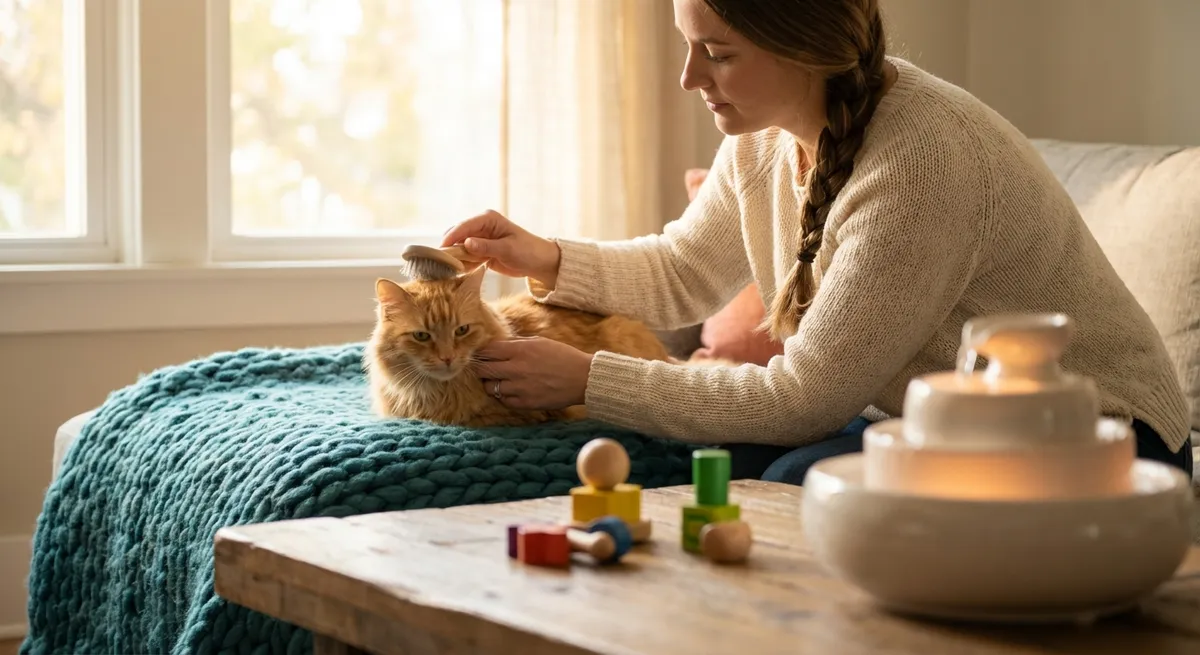
Long-haired cats (Persians, Ragdolls, Maine Coons) typically need daily to several-times-a-week brushing to prevent painful mats. Use a wide-toothed comb or a slicker brush designed for long coats, and work slowly in short sessions, rewarding with treats and soft praise. Pay close attention to armpits, behind the ears, and under the tail—areas that mat easily.
Short-haired cats still benefit from regular brushing. A rubber grooming brush or grooming glove helps remove loose hair, reduce shedding, and may lower the risk of hairballs. Sleek-coated breeds like Siamese, Bengals, and Russian Blues often enjoy the extra attention if you introduce it gently.
Claw care is essential for comfort and safety. Indoor cats usually need nail trims every 2–4 weeks. Start by touching and gently holding their paws when you’re cuddling, then introduce a cat-safe nail clipper. Trim just the sharp, curved tip—avoid the pink “quick,” which contains blood vessels and nerves. For large, heavy breeds like Maine Coons, regular trims can reduce stress on joints and help prevent snagging or breaking claws.
Don’t forget ears and eyes. Flat-faced (brachycephalic) breeds like Persians and Exotic Shorthairs may have more tear staining and eye discharge; gently cleaning with a soft, damp cotton pad (never directly touching the eye surface) can help. Ears should be clean and free from strong odors; redness, dark debris, or frequent scratching can signal infection or mites and should be checked by a vet.
Use grooming time as a full-body check: feel for lumps, sore spots, or changes in coat texture. A suddenly oily, dull, or unkempt coat can be an early sign your cat isn’t feeling well, especially in older or typically fastidious breeds.
Mind and Mood: Supporting Your Cat’s Emotional Wellbeing
A content cat is not just healthy—they’re mentally engaged and emotionally secure.
Every cat has a different social style. Affectionate breeds like Ragdolls or many domestic shorthairs often crave close contact and might follow you from room to room. More independent or sensitive breeds (like some Orientals or Russian Blues) may prefer nearby proximity without constant touching. Respecting these preferences builds trust.
Predictable daily patterns are soothing. Try to keep feeding, playtime, and quiet time roughly consistent. Sudden big changes—new work schedules, frequent travel, rearranged furniture—can stress cats, and some may respond with hiding, overgrooming, or litter box issues.
If your cat is anxious or easily startled, consider gentle aids such as pheromone diffusers designed to mimic calming feline scents. These can be especially helpful for newly adopted cats, multi-cat homes, or breeds known to be sensitive to change.
Provide “safe people” time and “alone” time. Sit quietly in the same room, reading or working, and let your cat choose when to approach. For rescues or shy breeds, this non-demanding presence can be more reassuring than constant attempts to pet or pick them up.
Watch for signs of emotional strain: increased hiding, sudden aggression, drastic changes in vocalization (especially in typically talkative breeds like Siamese), or changes in grooming habits. These can be emotional responses—or signs of hidden pain—and are worth discussing with your veterinarian.
Play and Enrichment: Turning Instinct Into Joy
Play is not a luxury for cats—it’s how they express their natural hunting instincts in a safe, indoor world.
Think of play as a mini “hunt sequence”: stalking, chasing, pouncing, capturing. Wand toys with feathers or fabric strips at the end of a string are ideal for imitating prey. Let your cat stalk and “catch” the toy, rather than just waving it randomly; this is especially appreciated by athletic breeds like Bengals, Abyssinians, and young domestic shorthairs.
Puzzle feeders and treat-dispensing toys work well for smart, food-motivated cats. They slow down eating and provide mental exercise. Breeds noted for their intelligence—Bengals, Siamese, Oriental Shorthairs—often thrive when they can “work” for some of their food each day.
Rotate toys regularly. Instead of leaving everything out all the time, keep a few favorites available and swap them weekly. This keeps play fresh without requiring constant new purchases. Soft toys for kicking, crinkle tunnels, and small balls or track toys can round out your cat’s “entertainment library.”
For older or less active cats, gentle, short play sessions are still valuable. Use slower-moving toys or roll soft balls across the floor. Pain from arthritis (common in seniors and in large breeds like Maine Coons) can make jumping and running hard, so work at ground level and talk to your vet if you see stiffness or reluctance to move.
Play should usually end with a “win”—let your cat capture the toy and offer a small snack or meal afterward to complete the “hunt-eat-groom-sleep” cycle that feels natural to them.
Breed-Specific Care Notes You Should Know
While every cat is an individual, some breeds come with special care considerations that are helpful to keep in mind:
- Persians and Exotic Shorthairs
Flat faces can predispose them to breathing issues and eye discharge. They often need daily face cleaning and very regular grooming. Their thick coats mat easily, so a gentle, consistent brushing routine is especially important.
- Maine Coons and Ragdolls
Large, gentle cats that are prone to joint problems and, in some lines, heart disease (hypertrophic cardiomyopathy). Keep them at a healthy weight, provide wide, sturdy perches and beds, and ask your vet about screening for heart conditions and arthritis as they age.
- Sphynx Cats
Hairless, but not “low maintenance.” Their skin tends to get oily, so they may need regular gentle baths with cat-safe products. They can be sensitive to both cold and sun; cozy clothing and warm resting spots indoors help, and they should be protected from direct sun exposure.
- Siamese and Oriental-Type Breeds
Very vocal and social, these cats often need extra mental stimulation and human interaction. Boredom can lead to destructive behaviors or excessive vocalizing. Enrichment, puzzle toys, and scheduled playtime are especially critical.
- Bengals and Abyssinians
Highly athletic and curious. They need plenty of vertical space, challenge toys, and interactive play. Without adequate outlets, they may resort to problematic behaviors like climbing curtains or constant attention-seeking mischief.
Whatever the breed, mix, or mystery background, the best approach is always to observe your individual cat: what they enjoy, what stresses them, and how they respond to changes. Breed tendencies are a guide, not a rule.
Thoughtful Product Choices That Truly Help (Not Just Add Clutter)
The pet aisle is full of options, but a few core categories make the biggest difference when chosen well.
- Litter Boxes and Litter
A general rule is one box per cat, plus one extra, placed in quiet but accessible locations. Large breeds like Maine Coons or big domestic shorthairs need larger, open-style boxes to feel comfortable. Many cats prefer unscented, fine-grain clumping litter; overpowering fragrances can be off-putting.
- Scratching Options
Scratching is normal and necessary. Provide both vertical posts (tall and sturdy) and horizontal scratchers. Rough materials like sisal or cardboard usually appeal to most cats. For cats who love stretching high, a tall sisal post is ideal; for older or arthritic cats, low, angled scratchers may be more comfortable.
- Beds and Hiding Spots
Offer a mix: open beds for lounging and hooded or cave-style beds for privacy. For hairless or thin-coated breeds, look for beds with soft, washable covers and consider placing them near warm but not hot areas like sunny windows (with shade options) or near your favorite chair.
- Food and Water Bowls
Wide, shallow bowls can help prevent whisker fatigue, where sensitive whiskers are constantly brushing against the sides. Some cats, especially flat-faced breeds, find raised bowls more comfortable. Stainless steel or ceramic are easier to clean and less likely to harbor bacteria than some plastics.
When evaluating products, prioritize function and comfort over novelty. If you’re unsure, your veterinarian can recommend brands or features that fit your cat’s age, health, and breed needs.
When to Call the Vet: Gentle, Early Intervention
One of the most caring things you can do is act early when something feels “off.”
Reach out to your veterinarian if you notice:
- Sudden changes in eating or drinking habits (especially drinking much more or much less)
- Straining in the litter box, blood in urine or stool, or frequent unsuccessful trips
- Rapid weight loss or gain
- Persistent vomiting, diarrhea, or coughing
- Sudden behavior changes—hiding, aggression, or unusual vocalizing
- Difficulty jumping, limping, or stiffness, particularly in older or large-breed cats
Certain issues are urgent, especially in male cats: straining to urinate, crying in the litter box, or producing only tiny dribbles of urine can signal a urinary blockage, which is a life-threatening emergency. Don’t wait in these situations—seek immediate veterinary care.
Regular wellness exams, bloodwork for seniors, dental checkups, and breed-appropriate screening (for example, heart ultrasounds for some Maine Coons or Ragdolls) give you the best chance of catching problems before they become serious.
Conclusion
Caring for a cat is a quiet, everyday promise: fresh water, safe spaces, gentle play, and a watchful eye for the changes they can’t explain in words. Whether your companion is a fluffy Persian, a sleek Siamese, a playful Bengal, or a one-of-a-kind rescue, the foundation is the same—consistent routines, thoughtful enrichment, and timely veterinary care.
By tuning into your cat’s unique personality and needs, and layering in breed-aware habits where they apply, you create a home where your feline can feel not just safe, but truly content. Those soft purrs, slow blinks, and peaceful naps near you are their way of saying it’s all worth it.
Sources
- Cornell University College of Veterinary Medicine – Feline Health Topics - Comprehensive, veterinarian-reviewed information on cat health, behavior, and preventive care
- American Association of Feline Practitioners (AAFP) – Cat Owner Resources - Guidance on creating cat-friendly homes, handling stress, and understanding medical needs
- International Cat Care - Educational articles on breed-specific care, enrichment, behavior, and everyday health practices
- American College of Veterinary Internal Medicine (ACVIM) – Feline Heart Disease - Detailed overview of heart conditions common in some cat breeds, including Maine Coons and Ragdolls
- American Veterinary Medical Association (AVMA) – Basic Cat Care - Vet-approved recommendations on routine care, nutrition, and preventive health for cats