Raising a Confident, Healthy Dog: Everyday Routines That Really Matter
Welcoming a dog into your life is one of the best decisions you can make—yet it can also feel overwhelming. Between food choices, training advice, and endless product options, it’s tough to know what actually matters for your dog’s long-term health and happiness. This guide breaks things down into simple, realistic routines you can start today, with gentle breed-specific notes, smart product ideas, and vet-backed guidance to support you at every stage.
Building a Daily Rhythm Your Dog Can Trust
Dogs feel safest when life is predictable. A calm, consistent routine helps reduce anxiety, improves behavior, and even supports better digestion and sleep.
Aim to keep these anchors roughly the same each day:
- Feeding times: Twice daily for most adult dogs (morning and evening).
- Potty breaks: First thing in the morning, after meals, after play, and before bed.
- Movement and enrichment: At least one meaningful walk plus short play or training sessions spread through the day.
- Rest: Most dogs need 12–14 hours of sleep a day (puppies and seniors often need more).
Practical tips:
- Keep walks and meals within a 30-minute window of the usual time so your dog’s body and brain know what to expect.
- Create a “calm-down” cue in the evening: dim lights, put toys away, offer a chew, and settle them in their safe spot (bed, crate, or mat).
- For anxious or reactive dogs, predictability is especially important—sudden changes can trigger barking, pacing, or accidents.
Over time, this rhythm becomes your dog’s safety net, helping them handle new situations with more confidence.
Feeding for Health: Matching Food to Age, Size, and Lifestyle
Nutrition is one of the most powerful tools you have for supporting long-term health. A high-quality, complete-and-balanced diet tailored to your dog’s age, size, and activity level will do more for their well-being than any supplement or trendy product.
Key things to focus on:
- Look for “complete and balanced” on the label with a statement that it meets AAFCO (or equivalent) nutritional standards for your dog’s life stage.
- Age-appropriate formula:
- Puppies need higher protein and calories for growth.
- Adults need maintenance formulas.
- Seniors often benefit from diets that support joint, kidney, and cognitive health.
- Size-specific needs:
- Large and giant breeds (e.g., Great Danes, Labs) need controlled calcium and calories during growth to protect joints.
- Small breeds (e.g., Yorkies, Chihuahuas) may do better with smaller kibble and calorie-dense diets to match fast metabolisms.
Breed-related pointers:
- Labrador Retrievers & Beagles (prone to weight gain): Use measuring cups or a kitchen scale, avoid free-feeding, and focus on low-calorie training treats such as freeze-dried meat or veggie snacks (if your vet approves).
- German Shepherds & other sensitive-stomach breeds: Look for diets formulated for digestive health, possibly with prebiotics or easily digestible proteins; introduce new foods gradually over 7–10 days.
- Toy breeds like Pomeranians or Maltese: Their tiny stomachs may do better with 3–4 small meals a day to prevent dips in blood sugar.
Helpful product ideas:
- Slow-feeder bowls for dogs that inhale food (common in Labs, hounds, and bully breeds)—they support digestion and can reduce bloating.
- Elevated feeders for tall dogs (like Great Danes) with your vet’s approval; for some deep-chested breeds, feeding on the floor is still preferred, so always ask your vet about bloat risk and feeding position.
- Puzzle feeders to turn mealtime into a brain game.
If you’re considering homemade, raw, or special diets (e.g., grain-free), it’s worth consulting your veterinarian or a board-certified veterinary nutritionist to avoid nutrient imbalances.
Smart Exercise: The Right Kind of Tired, Not Exhausted
A “tired dog is a good dog” is only half true. The goal isn’t to physically exhaust them every day, but to provide a healthy mix of movement and mental challenge.
Consider your dog’s breed tendencies:
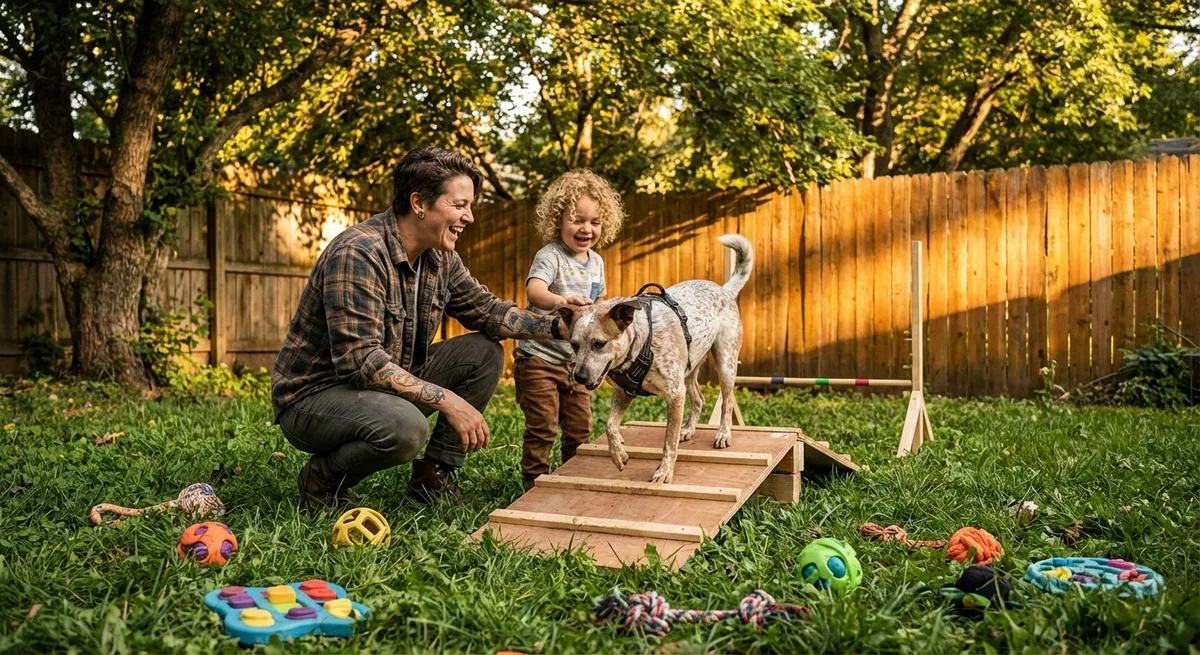
- High-energy working and herding breeds (Border Collies, Australian Shepherds, Belgian Malinois): Thrive on focused activities—structured walks, fetch with rules, scent work, or agility. Endless ball-chasing without training can make them more frantic, not calmer.
- Brachycephalic (short-nosed) breeds (French Bulldogs, Pugs, Bulldogs): Overheat easily and can struggle with breathing. Keep exercise shorter, avoid the hottest times of day, and break activities into gentle play sessions.
- Sighthounds (Greyhounds, Whippets): Often couch potatoes indoors but need safe, fenced areas for short bursts of zooming.
- Senior dogs and large breeds (Newfoundlands, Mastiffs): Benefit from low-impact exercise like shorter, more frequent walks and swimming where available.
General guidelines:
- Young adult dogs typically need at least 30–60 minutes of movement daily, split into multiple sessions.
- Puppies should not be over-exercised—too much impact on growing joints can cause injury. Use the “five minutes per month of age, twice a day” rule of thumb for structured walks (e.g., a 4-month-old puppy gets ~20 minutes twice daily), plus free play.
- Include mental exercise: sniffing on walks, simple scent games at home (“find it” with treats), basic obedience, or short trick sessions.
Useful gear:
- Well-fitted harness (especially for brachycephalic breeds or strong pullers) to protect the neck and reduce strain.
- Long line (15–30 feet) for safe, semi-freedom in open areas while maintaining control.
- Reflective gear or LED collars for early morning or evening walks.
Emotional Wellbeing: Confidence, Calmness, and Connection
Your dog’s emotional health is just as important as physical health. Anxiety, boredom, and lack of socialization can show up as barking, chewing, reactivity, or even physical issues like digestive upset.
Support emotional wellness by:
- Early, gentle socialization: For puppies, controlled exposure to different people, surfaces, sounds, and experiences between 8–16 weeks is critical—but always paired with positive association (treats, praise, play). Avoid overwhelming them.
- Consent-based handling: Practice calm handling of paws, ears, mouth, and tail using treats so vet visits and grooming feel less scary.
- Safe spaces: Provide a quiet retreat (crate, bed, or mat) where your dog can go to rest without being disturbed, especially in busy households with children.
Breed tendencies to consider:
- Guarding breeds (Rottweilers, Dobermans, many shepherds): Need careful, ongoing socialization and clear, fair boundaries so they learn what is and isn’t a real threat.
- Anxious or velcro breeds (some herding breeds, Weimaraners, Cocker Spaniels): May be more prone to separation anxiety. Practice short, calm departures and returns, and avoid making a big emotional event out of leaving the house.
Helpful calming tools:
- Food-stuffed toys (like rubber chew toys you can fill and freeze) to give your dog something positive to do when you leave.
- Lick mats for spreading wet food or dog-safe peanut butter; licking can be self-soothing.
- White noise machines or sound apps to buffer scary noises like fireworks or traffic.
If your dog shows intense fear, aggression, or destructive behavior, working with a force-free, reward-based trainer or veterinary behaviorist is often the kindest and most effective path.
Preventive Health: Vet Visits, Vaccines, and Home Checks
Many serious health issues can be prevented—or caught early—through routine care. Establishing a trusted relationship with a veterinarian is one of the best investments you can make.
Vet and medical basics:
- Puppies: Need a series of vaccines, deworming, and health checks. Your vet will set a schedule.
- Adults: Typically need a wellness exam at least once a year; some vaccines are given annually, others every 3 years depending on local regulations and risk.
- Seniors (often 7+ years, earlier for giant breeds): Benefit from checkups every 6 months and periodic bloodwork to catch issues early (kidney, liver, thyroid, etc.).
At home, perform regular “mini-checkups”:
- Eyes and ears: Look for redness, discharge, cloudiness, or foul odor.
- Teeth and gums: Check for bad breath, tartar, bleeding gums, or broken teeth.
- Skin and coat: Feel for lumps, bumps, hot spots, dryness, or parasites.
- Mobility: Watch for stiffness, limping, difficulty rising, or hesitation on stairs—common in older and large-breed dogs.
Breed-specific health awareness:
- Large and giant breeds (Great Danes, Boxers): Higher risk of bloat (gastric dilatation-volvulus). Ask your vet about symptoms, feeding guidelines, and whether a preventive surgery (gastropexy) is recommended.
- Small, toy breeds (Chihuahuas, Yorkies): More prone to dental disease—dental care is not optional.
- Brachycephalic breeds (Frenchies, Pugs): Often have breathing and heat tolerance issues; keep weight lean and discuss airway evaluation with your vet if you notice snoring, collapse, or blue-tinged gums.
Useful products for preventive care:
- Canine toothbrush and dog-safe toothpaste (never use human toothpaste).
- Nail clippers or a grinder sized appropriately for your dog.
- Flea, tick, and heartworm preventatives recommended by your veterinarian based on your region and lifestyle.
Keep a simple folder or digital file with your dog’s vaccine history, medications, and vet notes—it’s incredibly helpful in emergencies or when traveling.
Grooming and Skin Care: More Than Just Looking Good
Good grooming keeps your dog comfortable and can uncover health problems before they become serious.
Coat-type tips:
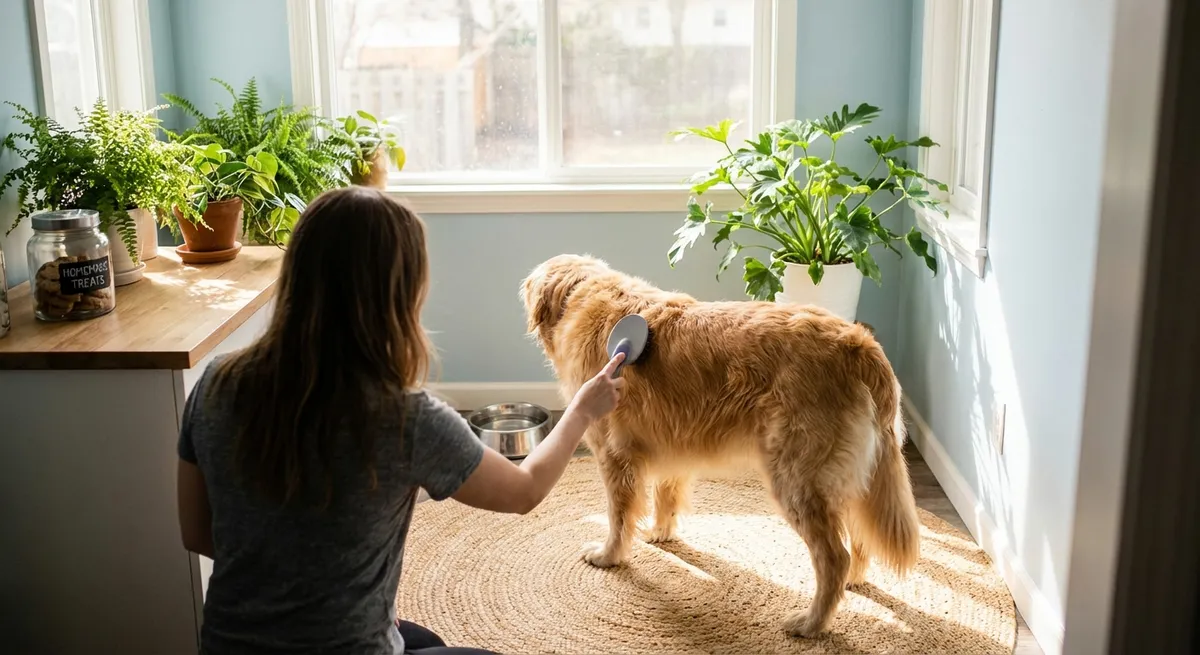
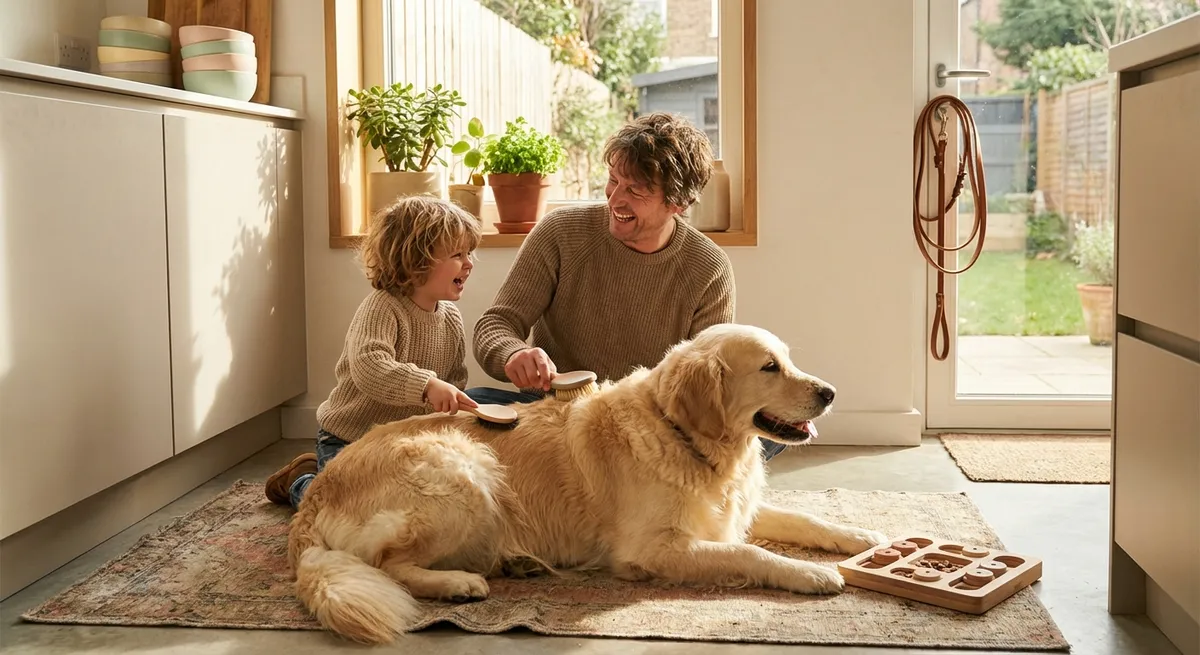
- Double-coated breeds (Huskies, German Shepherds, Golden Retrievers): Avoid shaving; their coat helps regulate temperature. Use an undercoat rake or slicker brush during shedding seasons to remove loose fur.
- Curly-coated breeds (Poodles, Doodles): Need regular brushing (often daily) plus professional grooming every 4–8 weeks to prevent matting.
- Short-haired breeds (Boxers, Pit Bulls): Still benefit from weekly brushing to spread natural oils and check skin.
Skin and paw care:
- Check paws for cracks, foxtails, ice balls, or burns from hot pavement. Use paw balm if your vet approves, especially in extreme weather.
- Dogs with skin allergies (common in Bulldogs, Westies, Pit Bulls) may need vet-recommended medicated shampoos or specific diets.
- Bathing every 4–8 weeks suits many dogs, but it depends on coat type, lifestyle, and skin health. Over-bathing can cause dryness.
If you notice persistent itching, hair loss, or ear infections, it’s worth a vet visit—these often indicate allergies or underlying medical issues, not just “dirty” skin.
Choosing Products Wisely: What Actually Helps
The pet market is overflowing with options. Instead of buying everything, focus on a few well-chosen, high-quality items that fit your dog’s needs and your lifestyle.
Categories that usually deserve a spot in your home:
- Durable chew toys: Especially for heavy chewers (pit bull–type dogs, many retrievers). Look for sturdy, non-toxic materials and rotate toys to keep interest high.
- Interactive toys and puzzles: Ideal for smart breeds and easily bored dogs. These help channel energy into problem-solving instead of destruction.
- Comfortable bed or crate mat: Orthopedic beds can be especially helpful for seniors and large breeds.
- Secure collar and/or harness with ID tag: Even if your dog is microchipped, visible ID is invaluable.
Before buying:
- Read labels carefully—avoid products with vague claims like “miracle cure” or “all-natural treatment” without science behind them.
- When in doubt (especially about supplements, calming aids, or joint-support products), ask your vet whether the ingredients and brand are reputable.
You don’t need the fanciest gear to give your dog a great life; you need thoughtfully chosen essentials and consistent, loving use of them.
Conclusion
A healthy, happy dog isn’t the result of one perfect decision—it’s the gentle layering of simple, thoughtful choices over time. A predictable routine, solid nutrition, smart exercise, emotional support, regular vet care, and basic grooming all work together to help your dog feel safe, confident, and deeply connected to you.
Every dog is an individual, even within the same breed. Use the guidance here as a framework, then listen closely to your dog: their body language, energy levels, appetite, and behavior will help you fine-tune what works best. When in doubt, lean on your veterinarian and qualified trainers as part of your dog’s “care team.”
You don’t have to be perfect—just present, curious, and willing to keep learning alongside your four-legged friend.
Sources
- American Veterinary Medical Association (AVMA) – Dog Care - Overview of core dog care needs, including wellness exams, vaccines, and preventive health guidance
- Cornell University College of Veterinary Medicine – Dog Nutrition - Evidence-based information about canine nutrition, life-stage feeding, and diet selection
- American Kennel Club (AKC) – Dog Breeds - Detailed, breed-specific information on temperament, exercise needs, grooming, and health tendencies
- Centers for Disease Control and Prevention (CDC) – Healthy Pets, Healthy People: Dogs - Public health–focused advice on staying healthy around dogs, vaccinations, and parasite prevention
- Ohio State University Veterinary Medical Center – Indoor Pet Initiative - Resources on supporting dogs’ emotional wellbeing, enrichment needs, and behavior in the home environment