Dog Care Made Simple: Everyday Habits That Help Your Pup Thrive
Caring for a dog should feel joyful, not overwhelming. With so much information online, it’s easy to feel unsure about what your dog actually needs to live a long, healthy, tail-wagging life. This guide brings together veterinarian-backed advice, breed-specific tips, and practical product recommendations so you can feel confident about the care you’re giving your best friend—whether they’re a toy-sized lap pup or a high-energy working breed.
Building a Healthy Daily Routine
Dogs feel safest when life is predictable. A consistent routine supports their physical and emotional health and can prevent many behavior issues before they start.
Aim to feed your dog at the same times every day—usually twice a day for adult dogs and 3–4 smaller meals for puppies. Regular mealtimes help with digestion, potty training, and keeping your dog at a healthy weight. Pair meals with consistent walk times so their body gets used to a schedule for bathroom breaks.
Sleep is just as important. Most adult dogs need 12–14 hours of sleep per day, and puppies can need up to 18–20 hours. Create a cozy sleep spot away from household traffic: a supportive dog bed, a crate with a soft mat, or a quiet corner with a blanket. Many dogs relax better when they know they “have a place” that’s just theirs.
Daily mental and physical engagement is key. Short training sessions (5–10 minutes) a few times a day, puzzle toys, sniff walks, and interactive play (like fetch or tug) help burn energy and build your bond. As a general guideline, most healthy adult dogs need at least 30–60 minutes of daily exercise, but energetic breeds often need much more.
Try to keep big changes—like switching foods, altering walks, or adding new pets—gradual. Dogs adjust best when changes are introduced slowly with lots of positive reinforcement and patience.
Feeding Your Dog: Nutrition That Matches Their Needs
Good nutrition is the foundation of dog care. A complete and balanced diet helps support a healthy weight, shiny coat, bright eyes, and strong immune system.
Look for dog foods that meet AAFCO (Association of American Feed Control Officials) standards for your dog’s life stage: “growth” (puppy), “adult maintenance,” or “all life stages.” This wording should be clearly printed on the packaging. Brands that do feeding trials and employ veterinary nutritionists are often more trustworthy.
Consider these factors when choosing food:
- Age:
- Puppies need calorie-dense food with proper calcium and phosphorus ratios for growth.
- Adults need a balanced diet matched to their activity level.
- Seniors often do best with formulas that support joint health and maintain lean muscle.
- Size:
- Small breeds benefit from small kibble and sometimes slightly higher calorie density.
- Large and giant breeds need controlled calcium and energy levels as puppies to help prevent joint issues.
- Health & lifestyle:
Dogs with allergies, sensitive stomachs, kidney disease, or other conditions may need special diets recommended by a veterinarian.
High-quality kibble or canned food is perfectly appropriate for most dogs. Some families choose fresh, frozen, or “human-grade” diets; these can be great options when they are complete and balanced, not just cooked meat and rice. Home-cooked or raw diets should always be planned with a veterinary nutritionist to avoid deficiencies.
A few product types to consider:
- Slow-feeder bowls: Great for gulpers and dogs prone to bloat.
- Puzzle feeders/snuffle mats: Turn mealtimes into enriching activities.
- Measuring cups or a kitchen scale: Helps prevent overfeeding.
Always introduce new foods gradually over 7–10 days to reduce the risk of stomach upset, and provide fresh water at all times.
Exercise & Enrichment: More Than Just a Walk
Exercise keeps your dog fit, but enrichment keeps them happy and mentally balanced. Dogs were born to sniff, explore, chew, and think—when those needs aren’t met, they often find their own “projects,” like chewing shoes or barking excessively.
Daily walks are important, but quality matters more than distance. Allow “sniff breaks” where your dog can explore scents at their own pace. Sniffing is mentally tiring and calming, and many dogs benefit from at least one slow, sniff-focused walk per day.
Indoor and backyard enrichment ideas include:
- Puzzle toys: Treat-dispensing balls, snuffle mats, and food puzzles.
- Training games: Teaching new tricks, practicing obedience, or playing “find it” with hidden treats.
- Chew options: Long-lasting chews like bully sticks, rubber toys you can stuff and freeze, or vet-approved dental chews.
Match exercise to your dog’s age, breed, and health:
- Puppies need many short play sessions instead of long, intense exercise to protect growing joints.
- Seniors still need movement but may do better with shorter, more frequent walks and low-impact games.
- Brachycephalic breeds (like pugs and bulldogs) tire easily and can overheat quickly; keep their exercise moderate and avoid heat.
Watch your dog’s body language—excessive panting, lagging behind, or reluctance to move may mean they’re overdone. On the flip side, restless pacing, destructive behavior, and over-the-top zoomies can be signs they need more structured exercise and mental work.
Grooming & Skin Care: Keeping Coats Comfortable, Not Just Cute
Grooming isn’t just about looks; it’s about health and comfort. Different coat types have very different needs, and understanding your dog’s natural coat will help you care for them properly.
For most dogs, plan on:
- Brushing:
- Short-haired breeds (beagles, boxers) benefit from weekly brushing to remove loose fur and distribute skin oils.
- Double-coated breeds (huskies, German shepherds) need brushing several times a week, especially during shedding seasons, with an undercoat rake or deshedding tool.
- Curly or long-haired breeds (poodles, doodles, Shih Tzus) often need daily brushing to prevent mats and regular professional grooming.
- Bathing:
Most healthy dogs only need a bath every 4–8 weeks, or when they’re dirty. Over-bathing can dry out skin. Use a dog-specific shampoo with a gentle, pH-balanced formula; human shampoos can irritate their skin.
- Nail trimming:
Long nails can cause pain, change your dog’s gait, and lead to joint strain. Many dogs need trims every 3–6 weeks. You can use clippers or a nail grinder—start slow, use lots of treats, and ask a groomer or vet tech to demonstrate if you’re unsure.
- Ears & teeth:
Check ears weekly for redness, odor, or discharge, especially in floppy-eared breeds. Clean them with a vet-recommended ear cleaner when needed. Brush teeth several times per week using dog-safe toothpaste to help prevent dental disease.
Keep an eye out for itchy skin, bald patches, hot spots, or sudden shedding changes. These can point to allergies, parasites, or other health issues that need a veterinarian’s attention.
Vet Care & Preventive Health: Staying Ahead of Problems
Regular veterinary care is one of the best gifts you can give your dog. Preventive care often catches health issues early, when they’re easier and less costly to treat.
Core elements of preventive care include:
- Vaccinations:
Puppies need a series of shots to protect against serious diseases like parvovirus and distemper, followed by boosters as adults. Rabies vaccines are often legally required. Your vet can tailor a vaccine schedule based on your dog’s lifestyle.
- Parasite prevention:
Year-round protection against fleas, ticks, and heartworms is recommended in many areas. Preventive medications (oral, topical, or collars) are much safer than treating a full-blown infestation or disease.
- Spaying/neutering:
This can reduce the risk of certain cancers and infections, decrease roaming and some types of aggression, and help prevent accidental litters. The ideal timing can vary by breed and size, so it’s worth a detailed talk with your vet.
- Annual (or semiannual) wellness exams:
Vets check weight, teeth, heart, joints, skin, and more. For senior dogs, blood work and urine tests are often recommended to screen for early kidney, liver, or endocrine issues.
- Dental care:
Dental disease is extremely common and painful but often goes unnoticed. Professional cleanings under anesthesia and daily or near-daily tooth brushing at home are the gold standard.
Don’t hesitate to call your vet if you notice sudden behavior changes, vomiting/diarrhea lasting more than a day, difficulty breathing, limping, extreme lethargy, or anything that simply “feels wrong.” You know your dog best—when in doubt, check it out.
Breed-Specific Tips: Tailoring Care to Your Dog’s Genetics
Breed and body type play a big role in what your dog needs and what they’re prone to. While every dog is an individual, these general guidelines can help you fine-tune your care.
Small Breeds (Chihuahuas, Yorkies, Dachshunds, etc.)
Small dogs often have big personalities and specific needs:
- Fragile bones: Avoid high jumps (like off couches or beds) and rough play with much larger dogs.
- Dental issues: Toy breeds are especially prone to crowded teeth and tartar buildup; daily tooth brushing is highly recommended.
- Temperature sensitivity: They lose heat quickly, so sweaters and warm bedding can be helpful in cooler weather.
- Portion control: Tiny dogs need very small portions; overfeeding can cause obesity fast.
Large & Giant Breeds (Labradors, German Shepherds, Great Danes)
Big dogs have big hearts—and sometimes big joint and stomach concerns:
- Puppy growth: Choose large-breed puppy formulas to support proper bone development.
- Joint protection: Consider vet-approved joint supplements (like glucosamine and chondroitin), maintain a lean weight, and avoid hard-impact activities while they’re still growing.
- Bloat risk: Deep-chested breeds (Great Danes, Dobermans, Weimaraners) are at increased risk of gastric dilatation-volvulus (bloat), a life-threatening emergency. Slow-feeder bowls, multiple smaller meals, and avoiding intense exercise right after eating can help.
Brachycephalic Breeds (Pugs, Bulldogs, French Bulldogs)
Their adorable flat faces come with some care considerations:
- Breathing & heat: They can’t cool themselves as efficiently, so avoid heat, heavy exercise, and stress. Use harnesses instead of neck collars to reduce airway pressure.
- Weight management: Even a few extra pounds can significantly worsen breathing issues.
- Skin folds: Clean and dry their facial and tail folds regularly to prevent infections.
High-Energy Working & Herding Breeds (Border Collies, Australian Shepherds, Huskies)
These dogs are built for jobs and thrive when they have a purpose:
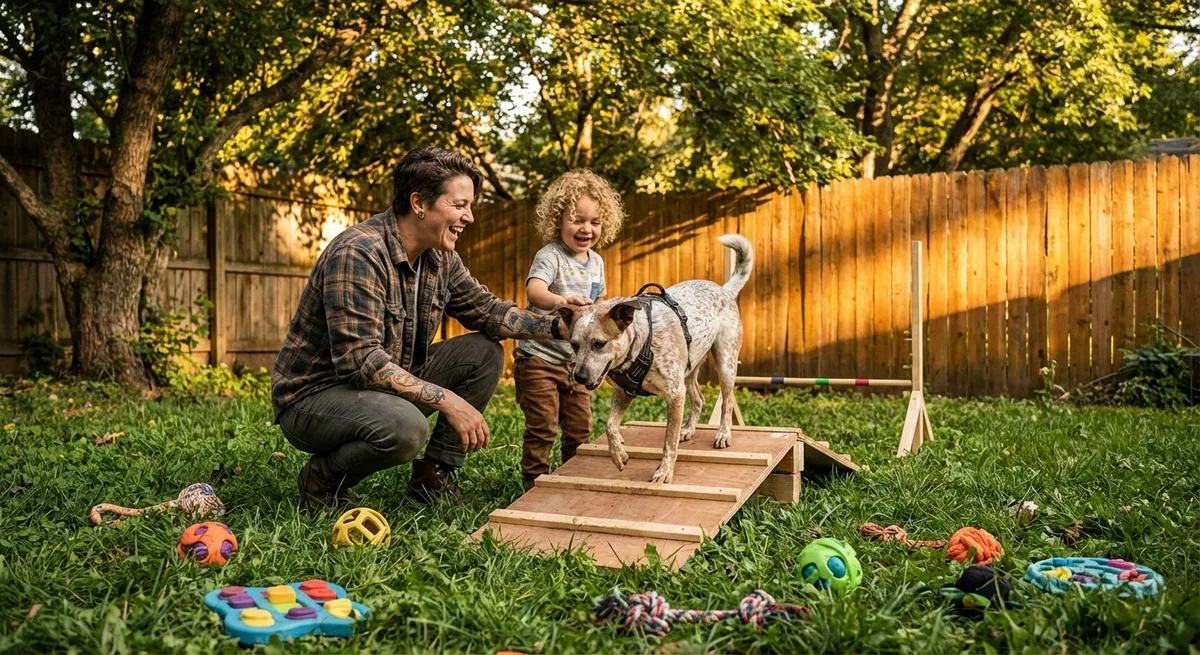
- Mental work: They often need as much brain exercise as physical exercise. Advanced training, agility, scent work, or dog sports can help.
- Routine & structure: Clear rules, consistent training, and daily tasks (like carrying a backpack on walks) can prevent frustration and anxiety.
- Secure spaces: Many of these breeds are skilled escape artists—fences, leashes, and ID tags/microchips are essential.
If your dog is a mixed breed, tools like DNA tests or your vet’s assessment can help you understand which breed traits they may have inherited and how to plan their care.
Smart Product Picks: Helpful Tools, Not Just Cute Extras
Choosing the right products can make daily care easier and safer. While every dog is different, these categories are a good starting point:
- Collars & harnesses:
- A flat collar with ID tags is essential.
- For most dogs, a harness (especially front-clip or Y-shaped) is more comfortable and reduces strain on the neck.
- For brachycephalic or trachea-sensitive dogs, harnesses are strongly recommended over collars for leash walking.
- Leashes:
A 4–6 foot standard leash offers better control and safety than retractable leashes, especially in busy or urban areas. Long lines (15–30 feet) are useful for training recalls in safe, open spaces.
- Crates & beds:
Crates can be cozy dens and valuable training tools when introduced positively. Orthopedic beds are especially helpful for large, senior, or arthritic dogs.
- Enrichment & toys:
Rotate chew toys, puzzle feeders, and interactive toys to keep them interesting. Avoid toys that are easily shredded and swallowed; look for products sized appropriately for your dog and, when in doubt, supervise.
- Grooming supplies:
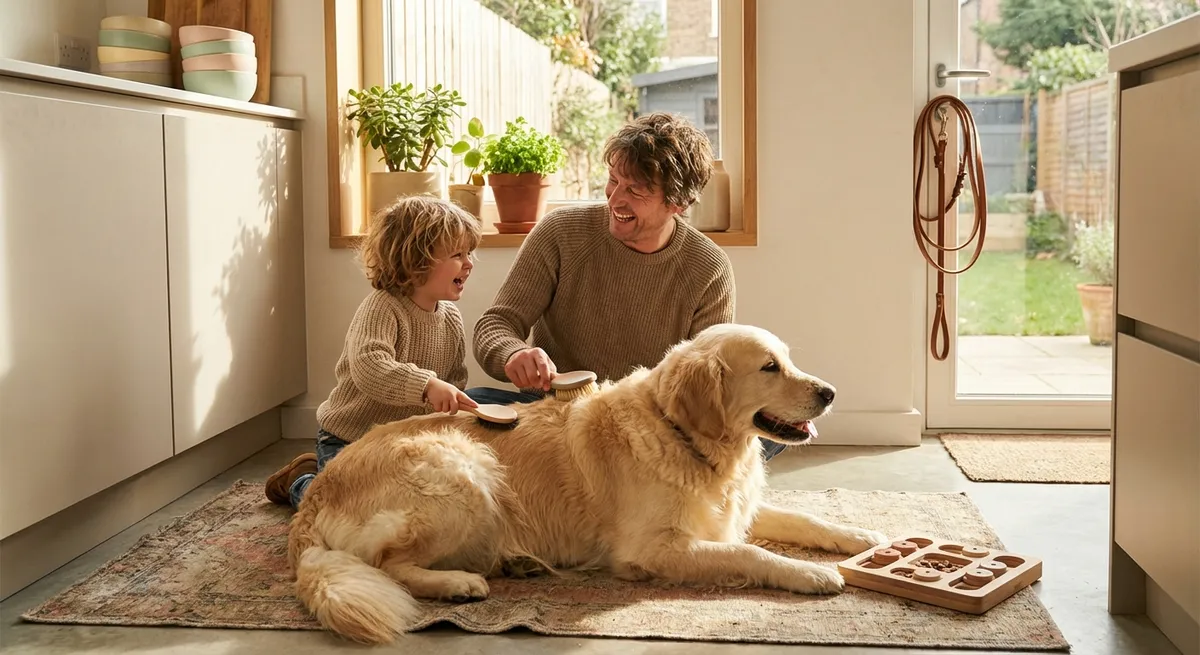
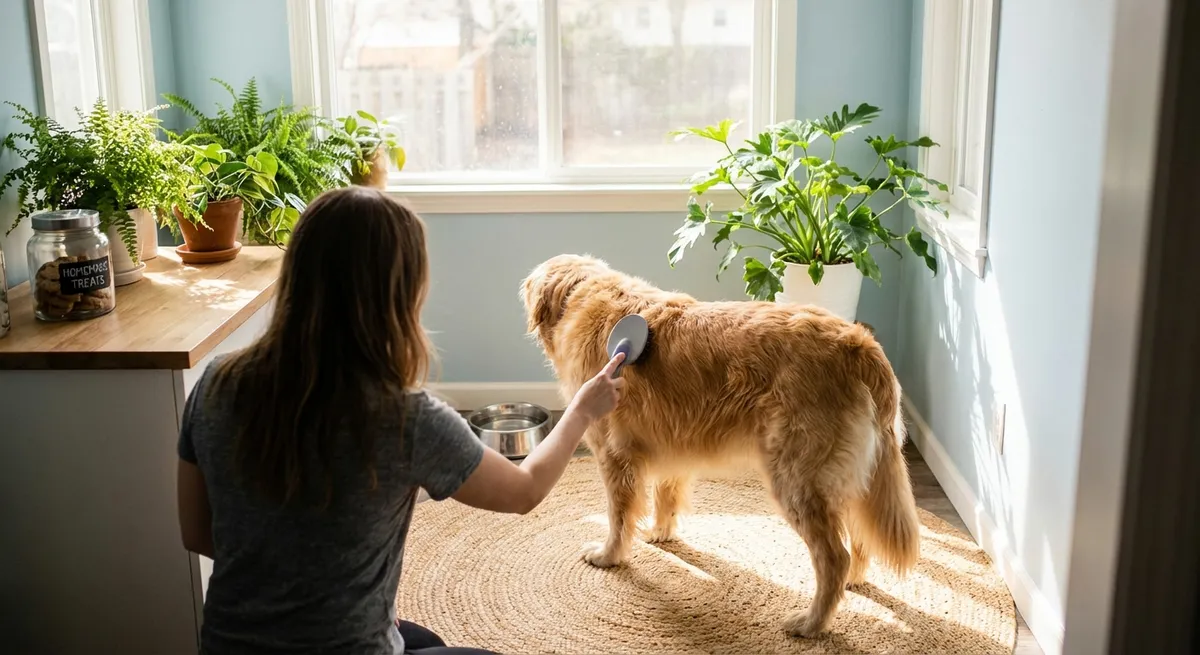
Invest in tools that match your dog’s coat: slicker brushes for curly coats, undercoat rakes for double coats, and bristle brushes or grooming gloves for short-haired dogs. Pair them with dog-safe shampoo and nail trimmers or a grinder.
When possible, choose products backed by veterinarians or reputable brands, and check reviews from dog owners with similar breeds or sizes.
Conclusion
Your dog doesn’t need perfection—they need consistency, kindness, and your willingness to learn what works best for them. By focusing on a reliable routine, balanced nutrition, age- and breed-appropriate exercise, thoughtful grooming, and regular veterinary care, you’re already giving your dog what they want most: a safe, comfortable, loving life by your side.
Every dog is unique, so treat this guide as a starting point and adjust based on your dog’s personality, energy level, and health. When you listen to your pup, work closely with your veterinarian, and make small improvements over time, you’ll create a happy rhythm that helps your dog truly thrive.
Sources
- American Veterinary Medical Association (AVMA) – Pet Care - Overview of responsible pet ownership, preventive care, and general dog health guidance
- American Kennel Club (AKC) – Dog Nutrition - Evidence-based articles on dog food, feeding guidelines, and special dietary needs
- American College of Veterinary Nutrition – Pet Owners - Information on choosing balanced diets and working with veterinary nutritionists
- Cornell University College of Veterinary Medicine – Dog Health Topics - Detailed, vet-backed information on common canine diseases and preventive care
- Centers for Disease Control and Prevention (CDC) – Healthy Pets, Healthy People - Guidance on keeping dogs healthy and reducing disease risks for pets and people