Beyond the Food Bowl: Raising a Well-Balanced, Happy Dog
When we think about dog care, food and walks usually come to mind first. But raising a happy, healthy pup is about so much more than full bowls and quick potty breaks. It’s about understanding who your dog is, what their breed was originally meant to do, and how their body and mind change over time. In this guide, we’ll walk through vet-backed, real-world tips to help you care for your dog in a way that feels tailored—not generic.
Understanding Your Dog’s “Job”: Why Breed History Matters
Even if your dog is a lovable mystery mix, the breeds in their background still shape how they think, move, and behave. Most dog breeds were created to do specific jobs—herding, guarding, hunting, retrieving, or simply keeping us company. When their natural instincts are ignored, dogs can become frustrated, anxious, or “misbehaved,” even when you’re doing your best.
Herding breeds like Border Collies, Australian Shepherds, and Corgis often crave problem-solving tasks and lots of movement. If they’re under-stimulated, they may herd kids, chase cars, or nip at heels. Scent hounds like Beagles and Basset Hounds live through their noses; they’re happiest when given time to sniff on walks and games that involve searching for treats. Retrievers and sporting breeds (Labradors, Goldens, Spaniels) shine when they can carry, fetch, swim, and stay busy with interactive play.
Toy breeds such as Chihuahuas, Maltese, and Yorkies were often bred as companions. They still need mental enrichment, but they also tend to be highly tuned in to their humans’ emotions and routines. Guardian breeds (Rottweilers, German Shepherds, Mastiffs) are naturally watchful and protective, so early socialization and clear boundaries are essential. When you understand what your dog was “designed” to do, it becomes easier to choose the right activities, toys, and training style that feel satisfying and natural to them.
Daily Life That Fits Your Dog: Tailoring Exercise and Enrichment
Exercise needs vary widely, and “a walk around the block” is not the same experience for every dog. A young Border Collie may see it as a warm-up, while an older Pug might find it just right. Think of exercise in two categories: physical and mental. Both matter, and many behavior problems improve when you address the mental side, not just the miles walked.
Mental enrichment can be as simple as turning mealtime into a little puzzle. Try slow-feeder bowls, snuffle mats, or puzzle toys where your dog has to nudge, paw, or roll things to release kibble. Rowdy adolescent dogs often benefit from short training sessions throughout the day—5 minutes of practicing cues like “sit,” “down,” “stay,” and “leave it” can be surprisingly tiring in a good way. Scent-based games, like hiding treats around one room or in cardboard boxes, tap into natural foraging behavior.
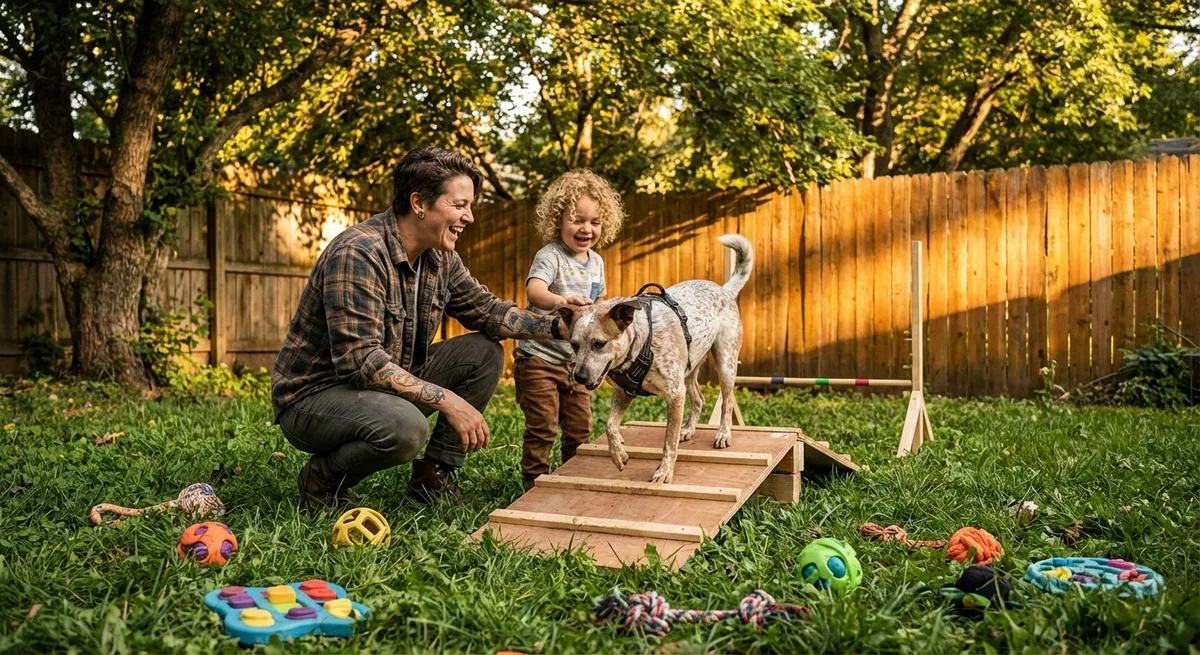
For high-energy breeds (Border Collies, Belgian Malinois, Huskies, many mixed herding or working types), consider structured outlets: running, hiking, agility, flyball, or even canicross (running with your dog attached to a harness). For brachycephalic (short-nosed) breeds like Bulldogs, Pugs, or Frenchies, aim for several shorter, cooler-time-of-day walks rather than long, intense exercise, and watch closely for signs of overheating. Senior dogs still need movement; gentle walks, low-impact play, and simple scent games help maintain mobility and brain health.
Breed-Specific Care: From Coats to Joints to Snouts
Different breeds have different “maintenance manuals,” especially when it comes to grooming and health prevention. Ignoring those extra needs can lead to discomfort—or expensive vet visits later.
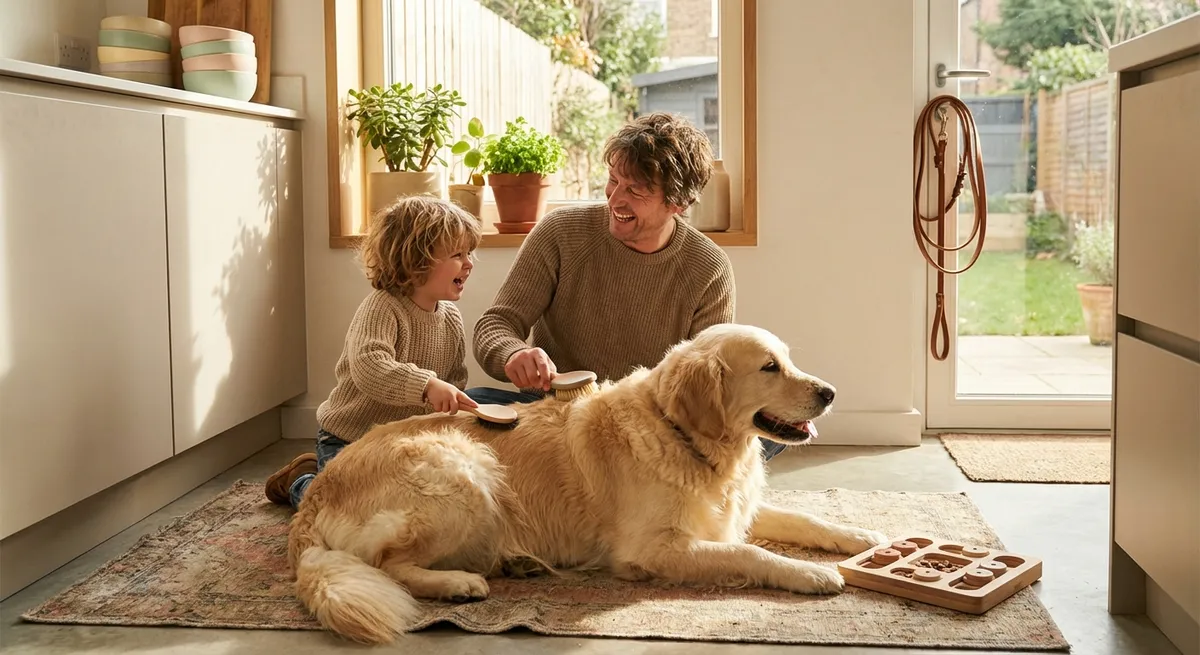
Long-coated and double-coated breeds (Huskies, German Shepherds, Golden Retrievers, Sheepdogs) usually need regular brushing to prevent matting and to manage shedding. For some, a slicker brush and an undercoat rake are essential tools. Shaving double-coated dogs is generally discouraged by many groomers and vets because their coat helps regulate temperature; instead, aim for consistent brushing and seasonal de-shedding.
Short-coated breeds like Boxers, Dobermans, and Pit Bull–type dogs may not mat, but they can be prone to skin issues and sunburn. Gentle shampoos, occasional moisturizing sprays, and protection from harsh sun (including dog-safe sunscreen on light noses and bellies) are especially helpful. Poodles, Doodles, and other curly-coated breeds are high-maintenance in a different way: they benefit from frequent brushing at home and regular professional grooming to avoid painful matting and skin infections.
Joint and skeletal health also has a strong breed component. Large and giant breeds (Labradors, German Shepherds, Great Danes, Newfoundlands) are more prone to hip and elbow dysplasia and arthritis as they age. Keeping them lean, not “chubby cute,” is one of the most powerful ways to protect their joints. Small breeds like Dachshunds can be at higher risk for back problems; using ramps, avoiding excessive stair use, and discouraging frequent high jumps from furniture can help. Brachycephalic breeds require extra attention to breathing, heat tolerance, and even eye care because of their facial structure.
Choosing Smart Products: What Actually Helps Your Dog Thrive
The pet product world can feel overwhelming, with new “must-haves” appearing every week. Instead of chasing trends, focus on a few categories that truly impact your dog’s well-being: nutrition tools, enrichment toys, and health-supportive gear. Always talk to your veterinarian before making big changes, especially for dogs with medical conditions.
Feeding tools like elevated bowls can help some large or arthritic dogs eat more comfortably, though they aren’t automatically better for every dog. Slow-feeder bowls or puzzle feeders are excellent for dogs that gulp food or seem bored; they promote slower eating and mental engagement. For dogs prone to dental issues (very common in small breeds like Yorkies, Pomeranians, and Shih Tzus), vet-recommended dental chews and toothbrushes designed for dogs can significantly improve oral health when used consistently.
In terms of enrichment, look for durable rubber toys that can be stuffed with wet food or kibble mixed with a bit of canned food, plain yogurt, or mashed vegetables. Brands that focus on safety-tested, non-toxic materials are worth prioritizing, especially for heavy chewers. Snuffle mats, flirt poles (for controlled chasing and pouncing), and lick mats (which can help anxious dogs settle) all support healthier behavior. For training and safety, a well-fitted harness that doesn’t restrict shoulder movement is often preferable to a collar for leash walking, especially for small dogs and brachycephalic breeds. ID tags and a microchip registered with current contact information are non-negotiables for every dog.
Vet-Backed Health Routines You Shouldn’t Skip
Routine veterinary care does more than update vaccines—it gives you a chance to catch small problems before they become big ones. Adult dogs typically benefit from at least an annual exam; senior dogs and those with chronic conditions may need checkups every 6 months. During these visits, veterinarians check weight, heart and lungs, teeth, eyes, ears, joints, and skin, and they can recommend screenings based on age and breed risk.
Parasite prevention is another key piece of dog care that often gets overlooked or used inconsistently. Fleas, ticks, and heartworms aren’t just gross; they can cause serious illness. Many dogs need year-round preventives depending on where they live, as climate and local wildlife patterns have changed in recent years. Ask your veterinarian which products are safest and most effective in your area and for your dog’s specific health and lifestyle.
Vaccinations should be tailored but not ignored. Core vaccines—such as rabies, distemper, parvovirus, and adenovirus—are recommended for nearly all dogs, while non-core vaccines like Bordetella or leptospirosis may be advised depending on exposure risk (boarding, dog parks, local wildlife, or standing water). Your vet can also guide you on spay/neuter timing, especially for large breeds where timing may influence long-term joint health. Regular bloodwork in middle-aged and senior dogs can catch early kidney, liver, or endocrine issues, allowing for earlier and more effective interventions.
Supporting Your Dog’s Mind: Stress, Socialization, and Emotional Health
Dogs experience stress, anxiety, and frustration just like we do. However, they express it through behavior—barking, chewing, pacing, hiding, growling, or withdrawing. Proactively caring for your dog’s mental health is just as important as physical care, and it often begins with how you introduce them to the world and respond to their emotions.
Puppy socialization isn’t only about meeting lots of dogs; it’s about safe, positive exposure to different people, surfaces, sounds, and environments during a critical developmental window. For adult dogs, “socialization” often looks more like gentle, consistent positive experiences and allowing them to say “no” by moving away when they’re uncomfortable. Breeds with a guarding or wary nature may need more careful, structured introductions and extra focus on teaching calm behaviors around strangers.
If your dog shows signs of separation anxiety—barking or howling when left alone, destructive behavior near doors and windows, or extreme distress when you’re preparing to leave—consider working with a certified trainer or veterinary behaviorist. Tools like white noise, lick mats, puzzle feeders, and gradual alone-time training can help, but severe cases may need professional help and, sometimes, medication. Always avoid punishment-based training methods; they can increase fear and aggression, even if they seem to “stop” a behavior in the moment. Reward-based, science-backed training approaches are safer and more effective in the long run.
Special Considerations for Puppies, Adults, and Seniors
Your dog’s needs will shift dramatically from puppyhood to their golden years. Puppies are learning machines; they need structure, sleep, short bursts of play, gentle training, and boundaries. Over-exercise in large-breed puppies can stress growing joints, so vet guidance on appropriate activity is crucial. Crate training, house training, and bite inhibition (learning to soften their mouthing) are big priorities during this stage.
Adult dogs are usually in their physical prime but may hit a “teenage” phase between about 6–24 months where they test limits and have plenty of energy. Consistency becomes your best friend here—consistent rules, routines, and reinforcement of good behavior. This is also a great time to explore sports, advanced training, or new enrichment activities tailored to their breed traits.
Senior dogs often slow down, but slowing down doesn’t mean they should be left alone to sleep all day. Adjust their routines for comfort: softer bedding, non-slip rugs on hard floors, ramps for easier access to couches or cars, and more frequent but shorter walks. They may need more frequent potty breaks, specific diets for kidney or joint health, and pain management for arthritis. Gentle massage, low-impact movement, and easy scent games can keep their bodies and minds engaged while respecting their limitations.
Conclusion
Caring for a dog goes far beyond meeting basic needs; it’s about seeing and supporting the whole animal in front of you—their breed tendencies, quirks, fears, joys, and changing needs over time. When you match exercise, enrichment, grooming, and healthcare to who your dog really is, you don’t just prevent problems—you build a deeper, more trusting bond.
You don’t have to do everything perfectly or buy every trendy product. Start by learning a bit about your dog’s breed background, talk openly with your veterinarian, and choose a few small changes that honor your dog’s natural instincts and life stage. Over time, those thoughtful choices add up to what matters most: a dog who feels safe, understood, and loved in your care.
Sources
- American Veterinary Medical Association (AVMA) – Dog Care - Overview of responsible dog care, preventive health, and veterinary guidance
- American Kennel Club (AKC) – Breed Explorer - Detailed breed histories, care needs, and common health considerations for specific breeds
- Cornell University College of Veterinary Medicine – Canine Health Topics - Vet-backed information on common canine diseases, joint issues, and preventive care
- Centers for Disease Control and Prevention (CDC) – Healthy Pets, Healthy People: Dogs - Public health and parasite prevention information related to dogs
- American College of Veterinary Behaviorists – Resources - Evidence-based information on behavior, anxiety, socialization, and humane training approaches