From Leash to Lifetime: Building a Daily Dog Care Routine That Actually Fits Your Life
Welcoming a dog into your home isn’t just about food, walks, and toys—it’s about building a life together that feels good for both of you. When your routine truly fits your dog’s body, brain, and breed, everything gets easier: fewer behavior problems, better health, and a stronger bond. This guide walks you through practical, vet-backed dog care that you can actually stick to, with breed-specific tips and product suggestions to help you choose wisely—not just buy more stuff.
Understanding Your Dog’s “Operating System”: Age, Breed & Personality
Before you pick toys, food, or training methods, it helps to understand what makes your dog tick. Think of age, breed, and personality as your dog’s “operating system”—when you know how it’s built, everything else makes more sense.
Puppies are in constant learning mode and need short, frequent bursts of activity, gentle training, and lots of sleep. Adult dogs usually benefit from more structured exercise and mental work, while seniors often need softer surfaces, shorter walks, and closer monitoring of their joints and weight. Breed (or mix of breeds) also shapes your dog’s needs: herding breeds like Border Collies crave jobs and mental challenges; brachycephalic (short-nosed) dogs like French Bulldogs overheat more easily and may struggle with intense exercise; giant breeds like Great Danes mature slowly and need careful joint protection.
Personality matters too. Some dogs are social butterflies; others are more reserved or sensitive. A shy dog may need slower introductions to new people and dogs, while a bold, energetic dog can thrive with structured jobs like scent work or agility. Ask your vet what your dog’s breed tendencies are and how age or health conditions might change their needs over time. This “big picture” view helps you choose routines and products that truly fit your dog instead of fighting against their nature.
Daily Nutrition That Supports Real-Life Energy Levels
Food is more than calories—it’s your dog’s fuel for growth, play, and long-term health. A good starting point is choosing a complete and balanced diet that meets AAFCO (Association of American Feed Control Officials) standards for your dog’s life stage (puppy, adult, or senior). Puppies, especially large-breed puppies like Labradors and German Shepherds, need specific calcium and phosphorus ratios to support safe bone growth, while seniors may benefit from diets that support joint health and maintain lean muscle.
Different breeds and body types handle weight differently. Small breeds like Chihuahuas and Yorkies often need calorie-dense food in smaller portions and may do well on small-bite kibble that’s easier to chew. Large and giant breeds like Great Pyrenees or Mastiffs are prone to joint issues and can benefit from controlled calorie intake and formulas including omega-3 fatty acids, glucosamine, and chondroitin. Flat-faced breeds like Pugs or Bulldogs may need specially shaped kibble that’s easier to pick up, and dogs with dental issues might do better with soft or gently moistened kibble.
For many families, a high-quality commercial kibble or canned diet is the most reliable way to ensure balanced nutrition. If you’re considering fresh, raw, or home-cooked diets, talk to your veterinarian or a board‑certified veterinary nutritionist first; unbalanced homemade diets can cause serious deficiencies over time. Whichever diet you choose, measure your dog’s food, don’t “free-feed,” and use body condition (how your dog looks and feels) rather than the bag’s chart alone. If your dog is gaining or losing weight unexpectedly, or needs a therapeutic diet for allergies, kidney disease, or GI issues, your vet is your best partner in adjusting what’s in the bowl.
Helpful product ideas (always check with your vet if your dog has medical conditions):- Slow-feeder bowls for Labradors, Beagles, and other “vacuum” eaters to reduce gulping and bloating risk.
- Raised feeders for giant breeds or arthritic seniors, if recommended by your vet.
- Measuring cups or, even better, a digital kitchen scale to keep portions consistent.
Exercise That Matches the Dog in Front of You
Exercise isn’t “one size fits all.” What works beautifully for a young, athletic Australian Shepherd may be far too much for a senior Shih Tzu—or not nearly enough for a working-line German Shepherd. The key is matching intensity and type of activity to your dog’s physical build, age, and health.
High-energy herding and working breeds (Border Collies, Belgian Malinois, German Shorthaired Pointers) usually do best with a mix of aerobic exercise (jogs, vigorous fetch, off-leash running in safe enclosed areas) and mental work (training, puzzle toys, scent games). Without enough outlets, they may invent their own “jobs,” like herding kids, chasing cars, or destroying furniture. In contrast, toy breeds (Maltese, Pomeranians, Toy Poodles) might meet much of their exercise needs indoors with play and short walks, but still benefit from outdoor sniffing and exploration to keep their minds active.
Brachycephalic breeds like Bulldogs, Pugs, and Boston Terriers need extra care; they can overheat quickly and have a harder time breathing during intense exercise, especially in hot or humid weather. For them, several short, calm walks, indoor play, and low-impact activities like gentle tug are safer than long runs. Large and giant breeds (Great Danes, Bernese Mountain Dogs) can be prone to joint and bone issues—avoid high-impact activities like repeated jumping while they are still growing, and ask your vet when it’s safe to introduce running or structured sports.
Watch for signs that your dog is getting too much or too little activity: destructive chewing, restlessness, and “zoomies” can indicate boredom, while lagging behind, heavy panting that doesn’t resolve quickly, or reluctance to move can mean the exercise is too intense. A basic guideline many vets use is at least 30 minutes to 2 hours of combined physical and mental activity per day, adjusted for your individual dog. If your dog has heart, joint, or respiratory issues, ask your vet for a tailored exercise plan.
Mental Enrichment: Preventing Boredom Before It Becomes a Problem
Dogs don’t just need physical outlets; they need things to think about. When a dog’s brain is under-stimulated, you often see barking, digging, chewing, or attention-seeking behavior. Enrichment doesn’t have to be complicated or expensive—it just has to be regular and varied.
Puzzle feeders and treat-dispensing toys are excellent ways to combine mealtime with problem-solving. For food-motivated dogs like Beagles, Labs, or mixed breeds with a strong sniffing drive, snuffle mats and “find it” games (scattering kibble in the grass or hiding treats around a room) are especially rewarding. Sighthounds like Greyhounds and Whippets may enjoy controlled chase games using flirt poles in safe, low-impact sessions. Terriers and Dachshunds, who were bred to dig and go after small prey, can love digging boxes filled with safe materials like crumpled paper or soft dirt in a designated area.
Training sessions are one of the best forms of mental exercise. Five to ten minutes of practicing cues like “sit,” “stay,” “touch,” or “leave it,” and introducing simple tricks like “spin” or “bow,” can be as satisfying as a short walk—especially on bad-weather days. Sensitive or easily overstimulated dogs often benefit from “calming” enrichment, such as licking mats (coated with a thin layer of dog-safe spread like plain yogurt or canned food) or safe chew items that encourage quiet focus.
The goal is not to exhaust your dog, but to give them age- and breed-appropriate “work” that leaves them content and relaxed. Rotate toys and games so your dog doesn’t get bored; a box of 10 toys feels new again if you only leave out a few at a time. If you notice your dog still seems restless despite regular walks, try adding one or two short enrichment sessions a day and observe how their behavior changes.
Training & Communication: Setting Your Dog Up to Win
At the heart of good dog care is communication. Training isn’t just about commands; it’s about teaching your dog how to navigate a human world safely and calmly. Positive reinforcement—rewarding the behaviors you like with treats, praise, toys, or access to something the dog wants—is widely recommended by veterinary behavior experts because it builds trust and reduces fear.
Different breeds may lean into different strengths. Retrievers and spaniels often love carrying things and can excel at fetch-based training games. Herding breeds thrive when you give them clear, structured tasks and frequent feedback. Independent breeds like many hounds and guardian types may need shorter, high-value sessions to stay engaged. Regardless of breed, all dogs benefit from consistent rules, clear cues, and plenty of opportunities to earn rewards.
Start with essentials: name recognition, “sit,” “down,” “stay,” “come,” “leave it,” and polite leash walking. For puppies and adolescent dogs, management tools (baby gates, crates, exercise pens) help prevent mistakes like chewing cords or getting into the trash. A properly introduced crate can feel like a safe den for many dogs, especially if it’s associated with calm, positive experiences and never used as punishment.
If your dog shows signs of fear, aggression, or severe anxiety—growling around food or toys, snapping at family members, extreme panic when left alone—reach out to your veterinarian first. They can rule out medical causes and may refer you to a certified professional dog trainer or veterinary behaviorist. Early help can prevent patterns from becoming harder to change.
Helpful training-related products:- A well-fitted flat collar or harness that doesn’t restrict breathing or rub the skin; front-clip harnesses can help for pullers.
- A 4–6 foot leash (avoid using retractable leashes in busy areas—they can be hard to control).
- Soft, pea-sized training treats with limited ingredients, especially helpful for sensitive-stomach breeds.
Grooming, Skin Care & Breed-Specific Coat Needs
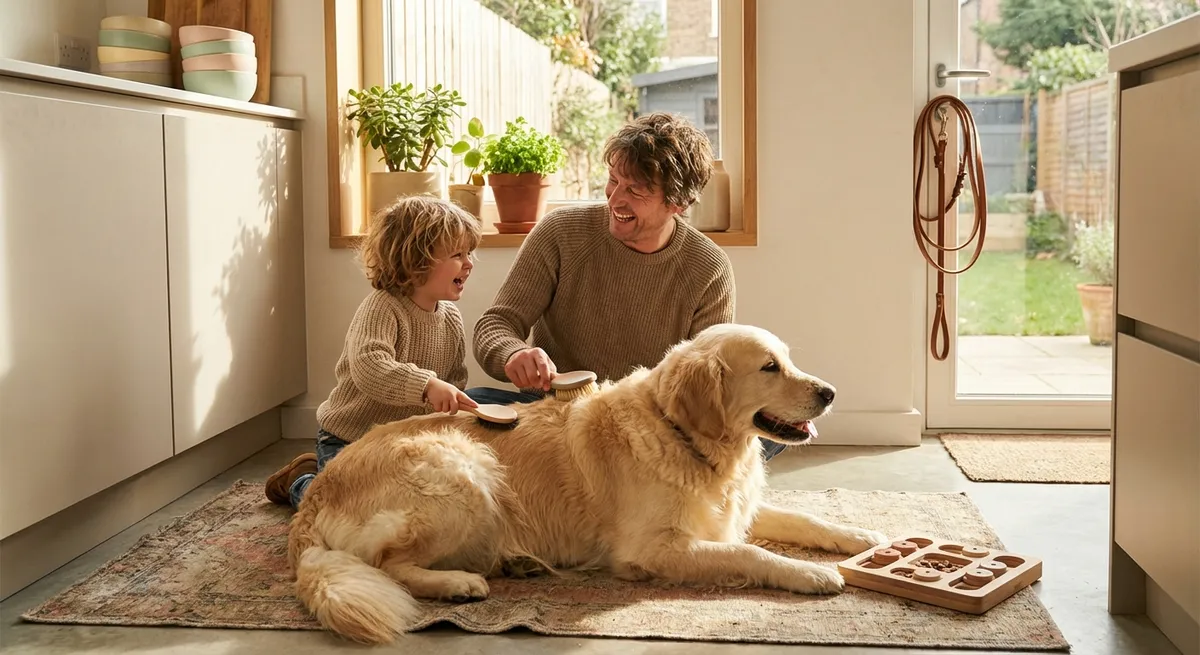
Grooming is much more than keeping your dog pretty—it’s a health check disguised as pampering. During grooming, you can spot new lumps, parasites, skin infections, or painful areas early, when they’re easier to manage. Coat type and breed play a major role in how you set up your grooming routine.
Double-coated breeds like Huskies, German Shepherds, and many Spitz-type dogs “blow” their coats seasonally and need thorough brushing to remove loose undercoat. Use an undercoat rake or slicker brush and work in sections, especially during shedding seasons. Shaving double coats is generally not recommended unless advised by a vet for medical reasons; the coat helps regulate temperature. In contrast, non-shedding or low-shedding breeds like Poodles, Bichon Frises, and many doodle mixes need regular haircuts to avoid painful matting. Schedule grooming every 4–8 weeks, depending on coat type, and brush several times a week at home.
Short-coated breeds like Boxers, Dobermans, and Pit Bull–type dogs may seem low-maintenance, but their skin can be sensitive. Gentle brushing, regular checks for flakiness or redness, and vet-approved shampoos are important. Wrinkle-faced breeds like Bulldogs, Pugs, and Shar-Peis need extra attention in skin folds to prevent moisture buildup and infection; your vet can demonstrate how to clean and dry these areas safely.
Nail care is critical for all breeds. Overgrown nails can change the way your dog walks and contribute to joint discomfort. Many dogs need trims every 3–6 weeks. If you’re nervous, ask your vet or groomer to show you how, or schedule routine trims. Ear care is especially important for floppy-eared dogs like Cocker Spaniels or Basset Hounds and for water-loving breeds like Labradors; periodic ear cleaning with a vet-recommended solution can help prevent infections. Always avoid sticking cotton swabs deep into the ear canal.
Health Essentials: Vet Visits, Preventives & When to Worry
Regular veterinary care is the backbone of good dog care. Even if your dog seems perfectly healthy, annual wellness exams (and more frequent visits for puppies and seniors) allow your vet to catch early signs of disease and tailor prevention to your dog’s lifestyle. Puppies typically need a series of vaccines, deworming, and discussions about spay/neuter timing and behavior. Adult dogs usually get booster vaccines as recommended, along with heartworm, flea, and tick preventives year-round in most regions.
Breed-specific health risks are real and important to know. Large and deep-chested breeds (Great Danes, Weimaraners, Standard Poodles) are at higher risk for gastric dilatation-volvulus (bloat); your vet might discuss preventive gastropexy surgery. Some small breeds like Cavalier King Charles Spaniels are prone to certain heart conditions, and Dachshunds have increased risk of back problems. Many breeds, including mixed breeds, may have genetic predispositions to issues like hip dysplasia, eye diseases, or endocrine disorders. A conversation with your vet about your dog’s breed background can guide appropriate screening tests and monitoring.
Preventive care also includes dental health. Small breeds, in particular (Yorkies, Pomeranians, Toy Poodles), often struggle with dental disease early in life. Daily or near-daily tooth brushing with dog-safe toothpaste is ideal, and many dogs require professional dental cleanings under anesthesia as they age. Chews approved by the Veterinary Oral Health Council (VOHC) can help, but they’re not a substitute for brushing and professional care.
Learn your dog’s “normal”: typical thirst, appetite, energy, bathroom habits, and breathing. Red flags that warrant a call to the vet include sudden changes in behavior, labored breathing, repeated vomiting or diarrhea, collapse, inability to urinate, or severe pain. When in doubt, it’s always safer to ask.
Building a Home Environment Where Your Dog Can Truly Relax
Your dog’s environment shapes their behavior just as much as training does. A thoughtfully set-up home helps your dog feel secure, reduces stress, and can prevent many common issues. Every dog, from tiny Papillons to massive Newfoundlands, benefits from having at least one quiet, designated “safe place”—a bed, crate, or corner where they are not disturbed by children, visitors, or household chaos.
For puppies and curious adolescents, management tools like baby gates, exercise pens, and closed doors protect both your dog and your belongings. Keep trash, toxic foods (like grapes, raisins, chocolate, xylitol-sweetened gum), and dangerous items (medications, batteries) securely out of reach. For chewers, offer plenty of safe, vet-recommended chew options and rotate them to maintain interest. High-energy or anxious breeds often settle better when they can choose between a few different resting spots—one in a busier area of the home and another in a quiet room.
Think about flooring and furniture from a joint and comfort perspective, especially for seniors, large breeds, and dogs with arthritis. Provide non-slip rugs or runners on slick floors to help prevent falls. Orthopedic beds or memory foam mattresses can make a big difference for older dogs or those with hip and elbow issues. If you live in an apartment or urban area, consider window film or curtains if your dog gets overstimulated by passersby; reducing visual triggers can significantly lower barking and anxiety.
Finally, remember that your dog also needs calm time with you that doesn’t revolve around training or play. Quiet cuddling (if your dog enjoys touch), gentle massage, or simply resting in the same room while you read or watch TV all help reinforce that you are a safe, steady presence. For most dogs, feeling secure with their humans is as important as any walk or toy.
Conclusion
Caring for a dog isn’t about doing everything perfectly—it’s about learning who your individual dog is and gently adjusting your routines to support their body, brain, and breed. When nutrition matches their energy needs, exercise and enrichment fit their temperament, grooming respects their coat and skin, and vet care is proactive, your dog gets to do what dogs do best: live fully in each moment by your side.
If you ever feel overwhelmed, come back to the basics: comfort, safety, health, and connection. Start with one small change—an extra sniffy walk, a puzzle toy at dinner, a vet check-up you’ve been putting off—and build from there. Over time, these small, caring choices add up to exactly what you wanted when you brought your dog home in the first place: a happy, healthy companion who truly feels at home in your world.
Sources
- American Veterinary Medical Association – Dog Care – Overview of core dog care topics including nutrition, grooming, and preventive health
- American Kennel Club – Breed Explorer – Detailed, breed-specific information on traits, grooming needs, and common health issues
- Cornell University College of Veterinary Medicine – Dog Owners – Veterinarian-backed articles on canine behavior, nutrition, and medical conditions
- U.S. Food & Drug Administration – Animal & Veterinary – Guidance on pet food safety, recalls, and regulations
- American College of Veterinary Behaviorists – Dog Behavior Resources – Expert information on training methods and addressing behavior concerns