From Chaos to Calm: Gentle Training that Pets Actually Enjoy
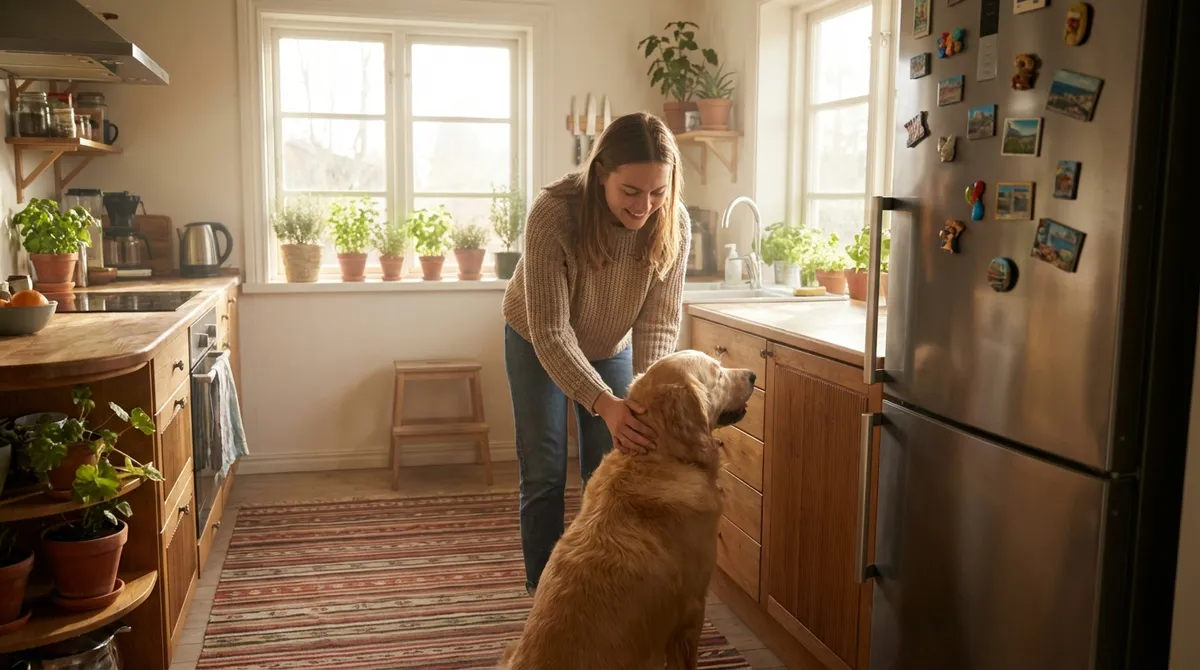
Training your pet doesn’t have to feel like a battle of wills. With a little structure, the right tools, and a lot of kindness, you can turn everyday moments into learning opportunities that deepen your bond. Whether you live with a bouncy Lab, a thoughtful Border Collie, a sensitive Shih Tzu, or a confident house cat, good training meets your pet where they are—and helps them feel safe while they learn.
This guide walks you through gentle, vet-informed training techniques, breed-aware tips, and practical product suggestions you can start using today.
Why Modern Pet Training Starts with Feelings, Not “Fixing”
Modern trainers and veterinarians agree: how your pet feels matters just as much as what they do. Fear, stress, and confusion can turn training into a struggle, while safety and trust turn it into play.
At its heart, effective training is about:
- Building trust so your pet believes you’re predictable and kind.
- Reinforcing what you like, instead of constantly correcting what you don’t.
- Creating clear patterns so your pet can predict what works (and feel confident).
- Respecting individual differences, including breed tendencies and personality.
Instead of asking, “How do I stop this bad behavior?” a more helpful question is, “What do I want my pet to do instead, and how can I make that easy and rewarding for them?” That shift alone can transform your results—and your relationship.
The Foundation: Reward-Based Training that Works for Any Pet
Positive reinforcement is the gold standard recommended by veterinary behavior experts. It means you reward behaviors you like so they happen more often. No yelling, no alpha rolls, no “show them who’s boss.”
Key principles:
- Reward quickly
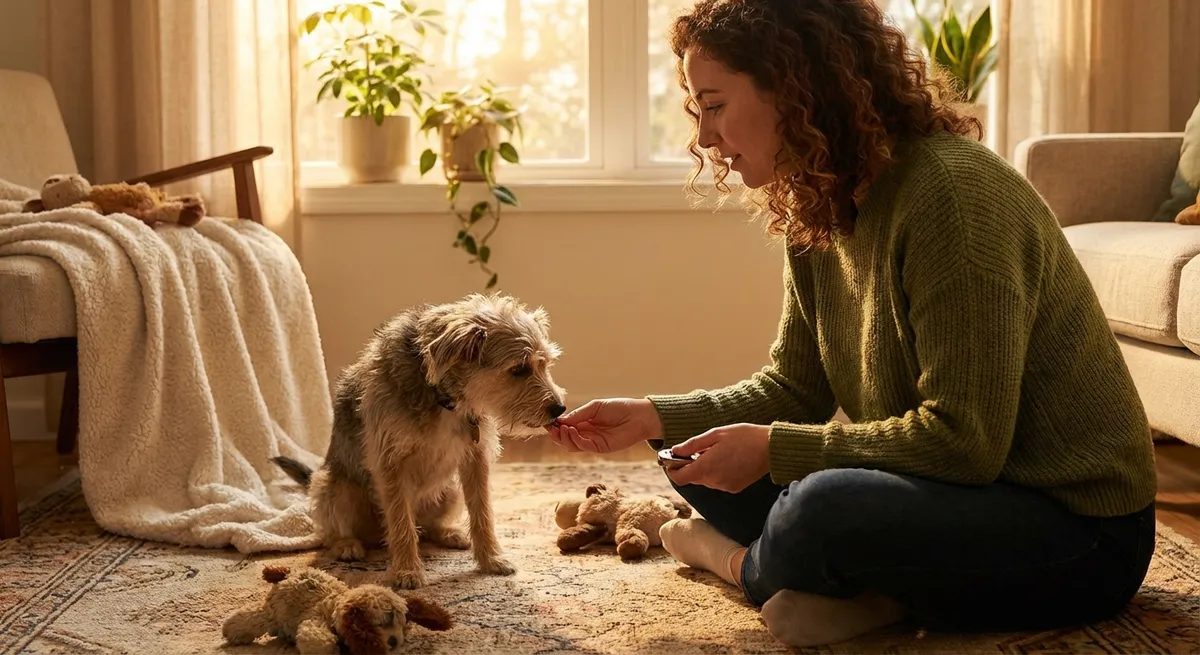
The reward should come within 1–2 seconds of the behavior. This might be a small treat, a toy, or praise—whatever your pet genuinely loves.
- Use a marker word or clicker
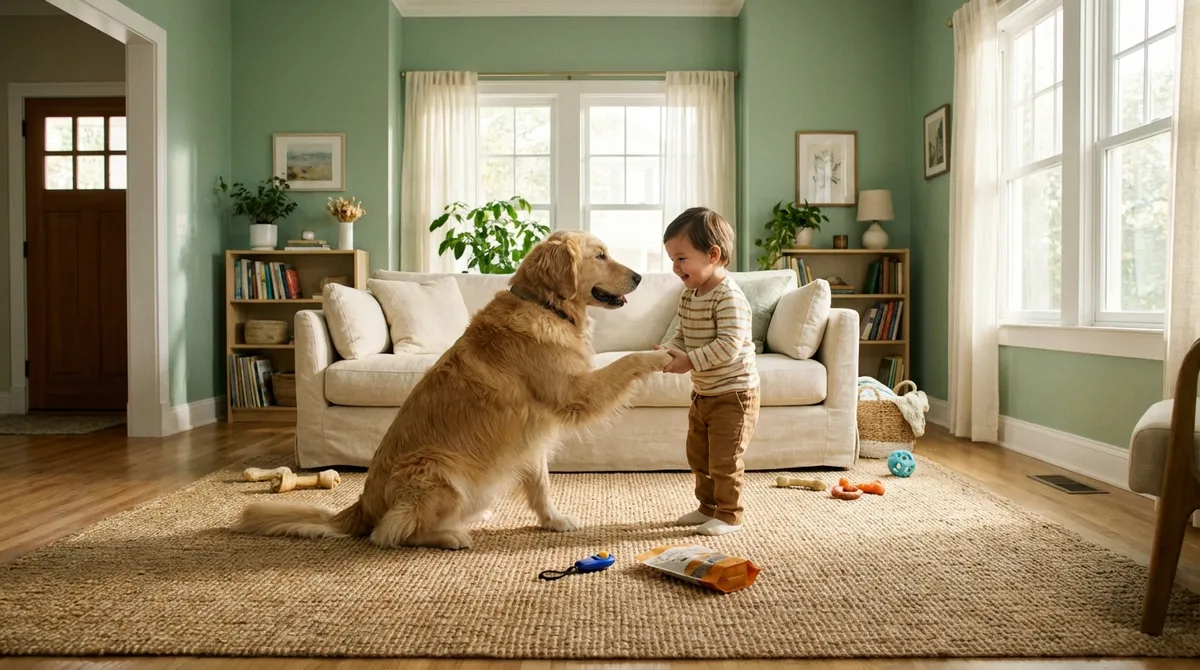
Many owners teach a short word like “Yes!” or use a clicker to mark the exact moment the pet did the right thing, followed by a reward. This helps your pet understand precisely what earned the treat.
- Start easy, then gently increase difficulty
Begin in quiet, low-distraction settings. Once your pet succeeds consistently, add mild distractions, longer durations, or new locations.
- Keep sessions short and upbeat
Aim for 3–5 minute sessions, several times a day. Stop before your pet gets bored or frustrated, and end on a success.
- Avoid punishment-based tools
Choke chains, prong collars, and shock/e-collars can increase fear and anxiety and may worsen behavior over time. Most veterinary behaviorists recommend reward-based methods and humane equipment instead.
This approach doesn’t mean letting your pet “get away with everything.” It means teaching clear rules in a way that protects their emotional wellbeing—and yours.
Reading Your Pet’s Body Language: The Secret Training Tool
Good training depends on knowing when your pet is relaxed, curious, or overwhelmed. Many bites and “out-of-nowhere” reactions were actually preceded by subtle stress signals.
Common early stress signs in dogs include:
- Lip licking when there’s no food present
- Yawning in a tense context
- Turning the head or body away
- Lifting a paw, freezing, or “shutting down”
- Tucked tail, pinned-back ears, or wide “whale” eyes
Common stress signs in cats include:
- Tail flicking or lashing
- Ears turning sideways or back
- Dilated pupils
- Low body posture, hiding, or freezing
- Growling, hissing, or swatting as things escalate
When you see these signs:
- Pause the session.
- Make the task easier or increase distance from whatever is bothering them.
- Offer a break, play, or calm affection if they enjoy it.
Training goes faster when your pet feels safe. Listening to their body language is one of the kindest—and most effective—things you can do.
Gentle Training Tools: What’s Worth Having (and What to Skip)
The right products can make teaching polite manners much easier, especially in real-life situations like walks, visitors, or trips to the vet.
Helpful, Humane Tools
- Front-clip harness (for dogs)
Great for pullers and large breeds. Front-clip designs (like the PetSafe Easy Walk or Ruffwear Front Range) gently discourage pulling by redirecting the chest without choking. Ideal for Labs, Goldens, Boxers, and adolescent “sled dogs.”
- Standard 4–6 ft leash
Avoid extendable leashes while training; they teach pulling and reduce control. A non-slip handle is useful for strong breeds like German Shepherds or Huskies.
- Treat pouch and soft, pea-sized treats
Having rewards ready makes reinforcement instant. For food-motivated breeds (Beagles, Pugs, Labs), low-calorie, soft treats are perfect for frequent repetition.
- Clicker or marker word
Especially handy for quick-moving or energetic dogs (Border Collies, Aussies) where timing can be tricky.
- Interactive toys and food puzzles (cats and dogs)
Kongs, lick mats, snuffle mats, and puzzle feeders help occupy working breeds and high-energy dogs, and can reduce stress for indoor cats by engaging their hunting instincts.
Tools to Avoid or Use Only Under Specialist Guidance
- Shock/E-collars
- Prong and choke collars
- Spray collars or fear-based deterrents
These can suppress behavior without solving the underlying cause and may create new behavior problems or fear. If you’re considering them because you feel out of options, that’s an important sign to consult a certified trainer or veterinary behaviorist instead.
Breed-Aware Training: Meeting Different Dogs Where They Are
Every dog is an individual, but breed tendencies matter. Adapting training to your dog’s natural strengths and urges can make everything easier—and more fun.
High-Energy Working Breeds (Border Collies, Aussies, Belgian Malinois)
These dogs were bred to think, move, and problem-solve all day. Without enough outlets, they may herd kids, nip, destroy furniture, or obsess over shadows and light.
Training tips:
- Mental work is as important as physical exercise.
Practice scent games, trick training, and puzzle toys daily.
- Teach “settle” on a mat.
Reward calm lying down during quiet family time.
- Use jobs, not just rules.
Have them “help” by carrying items, searching for hidden toys, or doing short obedience routines before meals.
Sporting and Retrieving Breeds (Labrador, Golden Retriever, Spaniel types)
These dogs love people and often love to carry things in their mouths. They’re often bouncy adolescents for longer than expected.
Training tips:
- Channel the mouthiness.
Encourage them to bring toys, not shoes. Reward them for trading items for treats.
- Use play as a reward.
Tug or fetch between repetitions of “sit,” “stay,” or “come.”
- Practice calm greetings.
Reward sitting politely before they’re allowed to say hi to people.
Protective and Guardian Breeds (German Shepherds, Rottweilers, Mastiffs, Dobermans)
These dogs can be intensely loyal and sensitive to changes in their environment. Without thoughtful socialization, they may become wary or reactive.
Training tips:
- Prioritize early, positive socialization.
Pair new people, sights, and sounds with treats and games at a young age.
- Teach a rock-solid “watch me” and recall.
Helpful when their protective instincts kick in.
- Manage exposure.
Avoid overwhelming public places until they’re confidently handling smaller outings.
Small Companion Breeds (Shih Tzu, Pug, Chihuahua, Maltese)
“Lap dog” doesn’t mean “no training needed.” Small dogs often get away with behaviors that would be unacceptable in bigger dogs, which can increase anxiety and reactivity.
Training tips:
- Treat them like real dogs, not toys.
Teach basic cues (“sit,” “down,” “come”) and reward polite behavior.
- Guard against fear.
Avoid forcing them into strangers’ arms or busy dog parks. Let them choose when to approach.
- Mind their bodies.
Short sessions and soft equipment are essential—small dogs tire quickly and can be more physically fragile.
Cat Training Is Real (and Really Useful)
Cats are smart, trainable, and often underestimated. Training isn’t just for fun tricks; it can make medical care, carrier time, and household harmony much easier.
Core Skills Many Cats Can Learn
- Coming when called
Use a consistent sound (like a whistle or word) and follow it with great rewards: a treat, a spoon of wet food, or play. Practice daily in short bursts.
- Carrier comfort
Keep the carrier out all the time, make it cozy, and toss treats or toys inside. Reward any interaction: looking inside, stepping in, then relaxing in there.
- Handling and grooming tolerance
Gradually pair gentle touches to paws, ears, and mouth with treats. Go slowly—just a few seconds at a time.
Training must-haves for cats:
- Soft, high-value treats (e.g., freeze-dried meat or a favorite wet food).
- A clicker or a gentle marker word (“Good”).
- Vertical spaces and hiding spots to reduce stress between sessions.
Some cat breeds—like Bengals, Abyssinians, and Siamese—might enjoy more frequent training and interactive play. Laid-back breeds like Ragdolls may prefer slower, quieter sessions with plenty of breaks.
Everyday Manners: Turning Real Life into Training Opportunities
You don’t need a special “training time” to teach your pet. Daily routines are your most powerful classroom.
Examples:
- Doorway manners (dogs and cats)
Ask for a sit (or calm pause) before you open the door or put the leash on. The door only opens when they’re not pushing through. This builds impulse control and safety.
- Meal routines
Have your dog sit or lie down and wait briefly before eating. For cats, you can ask for a simple behavior (coming when called or sitting) before placing the bowl.
- Calm on cue
Reward your dog whenever they lie down quietly on their own during the day. Over time, you can add a word like “settle” to that behavior.
- Polite greetings
Teach that jumping or clawing doesn’t open the “attention tap.” Turn away when they jump; the moment all four paws are on the floor (or they sit), reward with affection and attention.
By consistently rewarding the behaviors you like in the moment, your pet starts to choose those behaviors on their own—even when you don’t ask.
When to Call in a Professional (and How to Choose One)
Some challenges go beyond basic manners: leash reactivity, severe separation anxiety, aggression, or compulsive behaviors. These are not “stubbornness” problems; they are often fear, stress, or medical issues showing up as behavior.
Signs you should seek professional help:
- Growling, snapping, or biting (toward people or other animals)
- Intense fear reactions, including shutdown or panic
- Self-injury from licking, chewing, or tail-chasing
- Destructive behavior that doesn’t improve with exercise and enrichment
Look for:
- A trainer or behavior consultant who uses positive reinforcement and avoids harsh tools.
- Certifications such as KPA-CTP, CPDT-KA, CCAB, or membership in reputable organizations.
- A veterinarian or veterinary behaviorist if medication or deeper medical evaluation might be necessary.
A good professional should welcome your questions, explain their methods clearly, and respect both your pet’s wellbeing and your comfort level.
Conclusion
Training isn’t about “fixing” your pet; it’s about giving them the skills and support they need to feel safe in our human world. When you choose kind methods, tailor your approach to your pet’s breed and personality, and use simple tools wisely, you create a home where learning feels like play—and where your pet can truly relax.
Start small: pick one behavior (like coming when called or waiting at the door), gather a few favorite rewards, and practice for just a few minutes a day. Over time, those tiny sessions add up to something big: a calmer home, clearer communication, and a deeper bond with the animal who trusts you most.
Sources
- American Veterinary Society of Animal Behavior – Position Statement on Humane Dog Training – Explains why positive reinforcement is recommended over punishment-based methods
- American College of Veterinary Behaviorists (DACVB) Directory – Helps pet owners locate board-certified veterinary behaviorists for complex behavior issues
- RSPCA – Training Your Dog – Offers practical guidance on reward-based training and everyday manners
- American Kennel Club – Breed Explorer – Provides breed-specific information, including typical energy levels and tendencies that influence training
- Cornell University College of Veterinary Medicine – Feline Behavior Problems – Veterinary-backed insight into cat behavior and how training and environment can help