Everyday Manners for Pets: Building Better Behavior Without Harshness
Training your pet doesn’t have to feel like a battle of wills. With the right approach, teaching good manners can become one of the most loving “conversations” you share with your dog or cat. This guide walks you through gentle, evidence-based training that respects your pet’s personality, includes breed-specific tips, and offers product recommendations that actually support learning rather than stress your animal out.
Understanding How Pets Learn (So Training Feels Kinder and Easier)
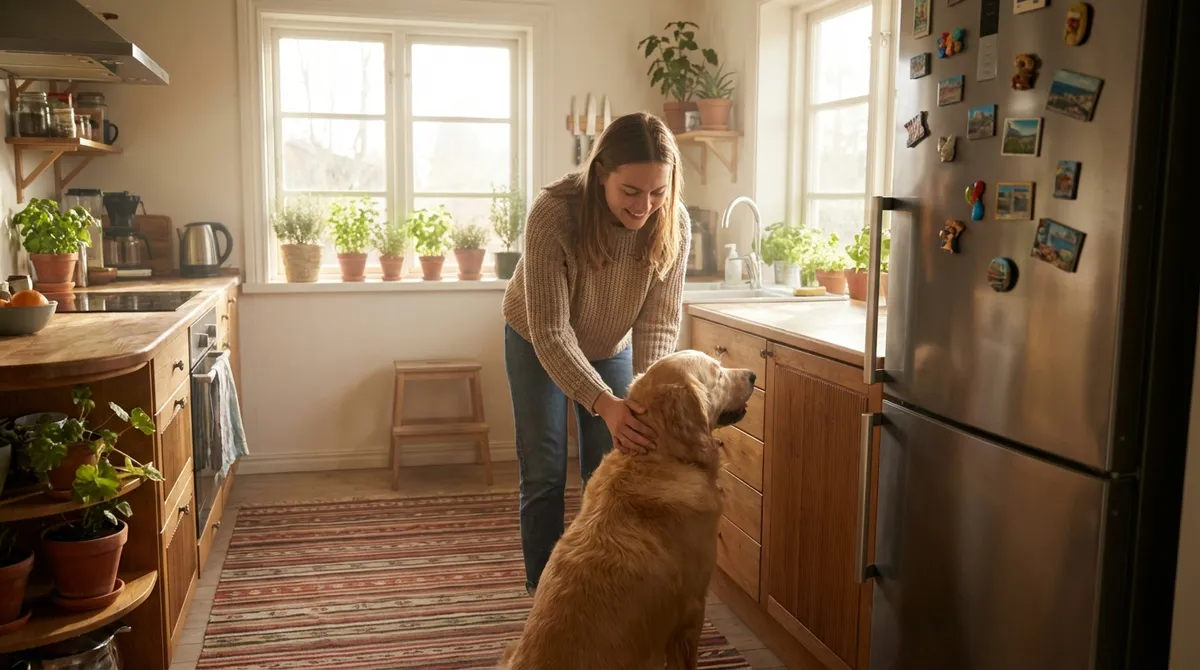
Pets repeat what works for them. If a behavior leads to something they like—attention, food, play, getting outside—they’re more likely to do it again. This is the heart of positive reinforcement training, which is strongly favored by veterinary behaviorists and major animal welfare organizations.
Dogs and cats don’t misbehave out of spite; they’re usually confused, anxious, under-stimulated, or accidentally rewarded for the wrong behavior. For example, a dog that jumps up is often just trying to get closer to your face and attention. A cat scratching the sofa is often looking for an appropriate place to stretch and mark territory, not “destroying your stuff on purpose.”
Punishments like yelling, leash jerks, or spray bottles can temporarily stop a behavior, but they frequently increase fear and anxiety and can damage trust. Pets then learn to hide their behavior instead of understanding what you want. A better formula is: prevent the unwanted behavior when you can, reward what you like, and give your pet clear, consistent choices that lead to success.
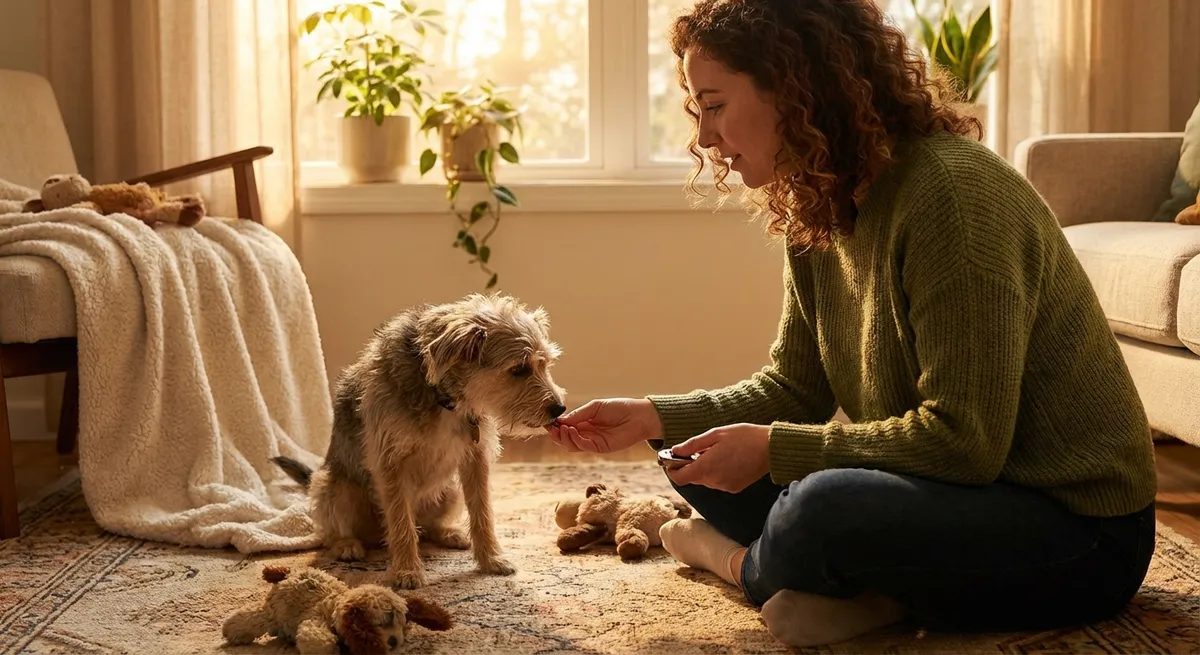
The most effective training feels like a series of tiny games: your pet tries something, you “mark” the right choice with a cheerful word or click, and they earn something wonderful. Over time, those tiny wins build a solid foundation of manners and a stronger bond between you.
Setting Up for Success: Tools That Help (and What to Avoid)
The right tools don’t replace training, but they make it smoother and less stressful for you and your pet.
For most dogs, a well-fitted flat collar or comfortable harness paired with a standard 4–6 foot leash is ideal for everyday training. Front-clip harnesses can gently reduce pulling without pain, especially for strong or excitable dogs like Labradors, Boxers, or Pit Bull–type dogs. Avoid choke chains, prong collars, and shock collars; these can cause pain, fear, and even injury, and they’re not recommended by many veterinary behavior experts.
High-value treats are your training “currency.” Soft, pea-sized pieces that your pet can eat quickly work best so you can keep momentum. For dogs, that might be small bits of boiled chicken, cheese, or commercial soft training treats. For cats, try lickable treats, small pieces of cooked meat, or extra-tasty kibble. If your pet is on a special diet or has health issues like pancreatitis, diabetes, or food allergies, ask your veterinarian which treats are safe and how to adjust meal portions to prevent weight gain.
Interactive toys can become part of your training toolkit. Snuffle mats, puzzle feeders, and treat-dispensing balls help calm busy dogs and engage hunting instincts in cats, making them more relaxed and focused for learning. For nervous pets, a cozy crate (for dogs) or safe hideaways and vertical perches (for cats) create a retreat where they can decompress.
When shopping online or in stores, look for products that are well-reviewed by trainers or veterinarians, not just popular on social media. Items marketed as “quick fixes” or “instant solutions” are often too good to be true and may rely on fear or discomfort rather than real behavior change.
Teaching Calm Greetings: From Jumping and Zoomies to Polite Hellos
Many dogs struggle with greetings because people are exciting—and we often accidentally reward the chaos. If you pet or talk to your dog while they’re jumping, that attention can reinforce the very behavior you want to stop.
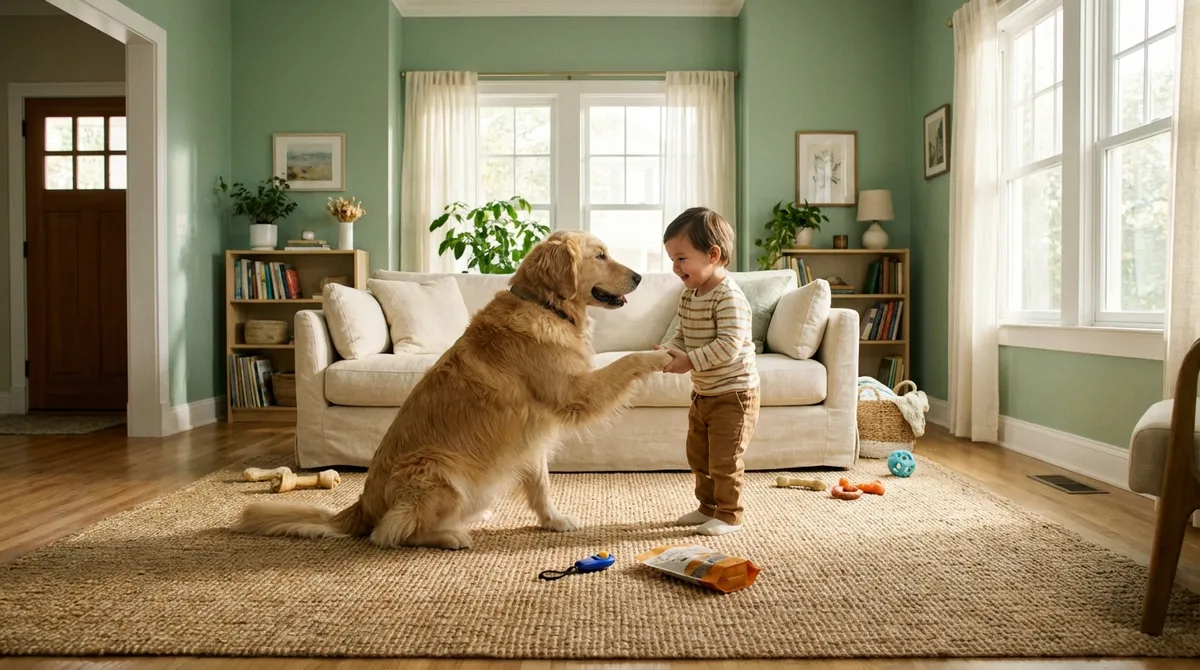
Start by deciding what a “good” greeting looks like for your dog: four paws on the floor, sitting politely, or even bringing a toy. Practice first in a quiet room with family members. Have your dog on a leash or in a small space. As someone approaches, ask your dog for the behavior you prefer (like “sit”), then immediately reward with a treat and calm praise the moment they comply. If they jump, the person should calmly step back or briefly turn away—no scolding, just removing the reward of attention.
Short, frequent practice sessions are best, especially for puppies and high-energy breeds such as Golden Retrievers, Border Collies, and Australian Shepherds. These dogs often need an outlet for their enthusiasm—a quick game of fetch or tug before practicing greetings can reduce overexcitement.
For shy or small dogs like Chihuahuas, Maltese, or many toy breeds, focus on “consent to greet.” Allow your dog to approach people at their own pace instead of being picked up or pushed into interactions. Teach visitors to crouch sideways, avoid staring, and offer a treat without reaching over the dog’s head. Calmness and choice help prevent fear-based snapping or growling later.
Cats also benefit from greeting routines. Let visitors sit quietly and offer a hand for a sniff instead of picking the cat up. Reward your cat with treats or a favorite toy when they approach calmly or choose to hang out nearby, even if they don’t want direct contact.
Leash and Indoor Manners: Guiding Different Breeds, Different Needs
Leash manners are really about teaching your dog to stay connected to you in a world full of distractions. Start indoors or in your yard, where competing smells and sounds are limited. Reward your dog every time they walk beside you or check in with eye contact. Use a cheerful “Let’s go!” when you move and “Yes!” or a clicker when they’re in a good position.
For scent-driven breeds like Beagles, Basset Hounds, and many mixed-breed hounds, build in “sniff breaks” as a planned reward. Ask for a few steps of nice walking, then release them with a cue like “Go sniff!” to explore a patch of grass. This way, smelling the world becomes something they earn by walking politely, not a tug-of-war.
Working breeds such as German Shepherds, Dobermans, or Belgian Malinois often crave mental as much as physical exercise. Add simple training games to your walks—brief sits, hand targets (“touch” your hand with their nose), or short stays—so they’re using their brain as well as their body. This can reduce leash reactivity and pulling fueled by boredom or frustration.
Inside the home, manners like “wait” at doors and “leave it” around dropped food keep pets safe. Start with easy versions: ask for a sit, crack the door slightly, and only open it further and reward when your dog stays seated. Practice with low-stakes items before moving to more tempting foods or real front-door scenarios.
Cats can learn leash walking too, especially breeds known for sociability and curiosity like Bengals and Ragdolls. Use a secure, well-fitted harness and start with very short, positive indoor sessions. Let your cat explore while wearing the harness and reward with extra-special treats. Only move outdoors when they are relaxed and confident inside; stress signals like flattened ears, puffed fur, or frantic movement mean you should slow down.
Respecting Breed Personalities: Tailored Tips for Dogs and Cats
While every animal is an individual, breed tendencies can guide how you approach training.
High-energy herding dogs (Border Collies, Australian Cattle Dogs, Shelties) often thrive on structured tasks. They may become nippy or obsessed with motion if not mentally engaged. Channel that energy into safe outlets: trick training, agility, scent work, or even learning to put toys away in a basket. Teach impulse control with short “wait” and “stay” exercises, always rewarding success generously.
Guardian and protection breeds (Rottweilers, Mastiffs, some Shepherds) need early, positive socialization and clear, kind boundaries. They may be naturally wary of strangers, so forceful handling or harsh corrections can intensify protective or fearful behavior. Focus on teaching them that new people, sounds, and environments predict calm, positive experiences. Reward relaxed body language and quiet observation.
Toy and small companion breeds (Yorkies, Shih Tzus, Pomeranians) are sometimes unintentionally allowed to develop “small dog” behaviors like chronic barking or nipping, simply because they’re easier to physically manage. Treat their needs as seriously as a large dog’s. Teach them basic cues—sit, down, come, leave it—and reward calmness. Avoid carrying them constantly; it can increase clinginess and anxiety.
For cats, breed tendencies matter too. Siamese and other vocal breeds often need extra interaction and puzzle play to avoid attention-seeking meows or nighttime zoomies. Persian and other flat-faced breeds may tire easily or have breathing issues, so keep sessions short and low-impact. Active breeds like Abyssinians or Bengals generally need vertical space (cat trees, shelves) and regular interactive play to prevent destructive behavior.
Whatever the breed, remember that genetics set the stage, but environment and training determine how traits show up. A gentle, structured routine can soften even intense tendencies into manageable, charming quirks.
Vet-Backed Guidance: When Behavior Signals Something More
Changes in behavior can sometimes signal an underlying medical problem. A dog that suddenly starts growling when touched may be in pain from arthritis, dental disease, or an injury. A previously social cat that hides, stops grooming, or avoids the litter box might be dealing with urinary tract issues, arthritis, or other health concerns.
Veterinarians and board-certified veterinary behaviorists emphasize ruling out medical causes before labeling a pet as “stubborn,” “spiteful,” or “aggressive.” If your pet suddenly develops new behaviors—house-soiling, restlessness, increased vocalization, or aggression—schedule a vet visit. Bloodwork, urine tests, or imaging may be needed to identify hidden issues.
Some behaviors also benefit from a team approach. Severe separation anxiety, phobias (like extreme noise fear), or true aggression go beyond basic training. In these cases, working with a veterinarian and a qualified force-free trainer or veterinary behaviorist can create a behavior plan that may include environmental changes, training exercises, and, in some cases, medication to lower anxiety enough for learning to happen.
If your pet is on a behavior medication, ask your veterinarian how that affects training. Often, when fear and panic are reduced, pets can finally focus and respond to the same positive reinforcement techniques you’ve been trying all along.
Always be cautious with advice from unverified online sources or trainers who rely on intimidation or pain-based tools. Look for professionals who mention “fear-free,” “force-free,” or “positive reinforcement” and who are willing to collaborate with your veterinarian.
Building a Training Routine That Fits Real Life
The best training plan is the one you can actually keep doing. Instead of long, exhausting sessions, aim for brief, 3–5 minute practices a few times a day. Attach them to routines you already have: a minute of “sit” or “wait” before meals, a quick leash-manners game each time you go outside, a hand-target session during TV commercials.
Be specific and consistent with cues. If “off” means get down from furniture, don’t sometimes invite your dog up with that same word. Choose clear words or hand signals and stick with them. Make sure everyone in the household uses the same cues and reward rules; mismatched messages are confusing for pets.
Remember that progress is rarely a straight line. Puppies, adolescent dogs, and young cats in particular go through developmental stages where training seems to temporarily “fall apart.” That’s normal—go back a step, reduce distractions, and reward generously for the basics again.
Most importantly, notice and celebrate the small wins. The first time your dog chooses to sit instead of jump, or your cat comes when called across the room, you’re seeing their trust and understanding grow. Those moments, repeated over weeks and months, are what transform daily life from frustrating to joyful.
Conclusion
Training is not about controlling your pet—it’s about teaching them how to live comfortably and safely in our human world. When you focus on kindness, clear communication, and realistic expectations for your pet’s breed and personality, manners become a natural byproduct of your relationship, not a constant struggle.
With the right tools, thoughtful routines, and support from veterinarians and qualified trainers when you need it, you can help your pet feel more confident and you can feel more relaxed. Over time, everyday moments—feeding, walks, greetings, quiet evenings at home—turn into opportunities to reinforce good behavior and deepen the bond you share.
Sources
- American Veterinary Medical Association – Animal Behavior Resources - Overview of behavior basics and when to seek professional help from veterinarians and behaviorists
- American College of Veterinary Behaviorists - Veterinarian-backed FAQs on training methods, behavior problems, and the role of medical issues
- RSPCA – Training Your Dog - Practical, force-free dog training advice from a major animal welfare organization
- ASPCA – Cat Behavior & Training - Evidence-based guidance on understanding and training cats using positive methods
- Cornell University College of Veterinary Medicine – Dog Behavior Problems - Veterinary perspective on behavior issues and why medical evaluation is important