Calm, Kind, and Consistent: Turning Everyday Moments into Pet Training Wins
Training doesn’t have to feel like “school” for your pet. With the right approach, it can feel like a shared language that deepens your bond, builds confidence, and makes everyday life easier for both of you. Whether you live with a playful puppy, a determined herding dog, a clever cat, or a tiny toy breed, thoughtful training can turn routines into meaningful connection.
This guide walks you through vet-backed, reward-based training that works in real homes—not just in perfect videos. You’ll find breed-specific tips, simple product suggestions, and gentle strategies that respect your pet’s unique personality.
Why Modern Pet Training Starts With Emotions, Not Commands
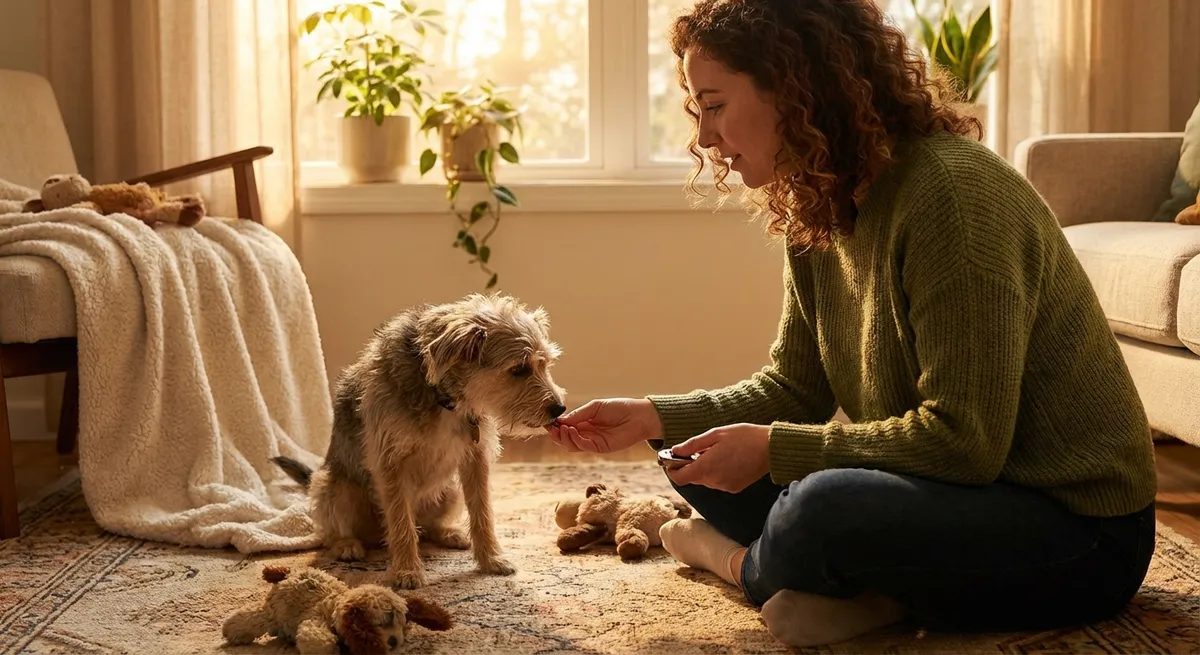
Before teaching “sit” or “stay,” it helps to understand what your pet is feeling. Animals learn best when they feel safe, curious, and calm—not scared or overwhelmed. That’s why modern trainers and veterinarians strongly recommend positive reinforcement (rewarding what you like) instead of punishment (correcting what you don’t like).
When you reward good choices with food, play, or affection, your pet’s brain releases feel‑good chemicals, helping them remember and repeat the behavior. Punishment, on the other hand, can create confusion, fear, or even aggression, especially when pets don’t understand what they did “wrong.” Over time, a reward-based approach builds trust: your dog or cat learns that staying close to you is safe and worth it.
Consistency also matters. If “off the couch” means “maybe later,” your pet will gamble on those “later” moments. Clear, simple rules that everyone in the household follows lead to faster progress. A good rule of thumb: one behavior, one word, one meaning (for example, always use “down” for lying down, and “off” for getting off furniture).
Finally, remember that training sessions are short—your relationship is long. Ending on a small win, even if your pet didn’t master the full behavior that day, keeps training something they look forward to, not something they dread.
Setting Up a Home That Helps Your Pet Succeed
Your environment can either work against you or quietly support every training goal. Think of it as “training with your furniture and routines,” not just with your voice.
For dogs, start with a quiet, low‑distraction space for new skills—like a hallway or living room with the TV off. As your dog improves, gradually add more distractions: the backyard, a sidewalk, a park. This staircase approach prevents overwhelm and helps your dog actually generalize the cue (so “sit” means sit everywhere, not just in the kitchen).
Helpful tools many vets and trainers recommend include:
- Comfortable harness (e.g., a front‑clip harness from reputable brands like Ruffwear or PetSafe) to protect the neck and give better leash control.
- Flat collar with ID tag (avoid choke, prong, or shock collars—they can cause pain and fear).
- Treat pouch so rewards are always handy; timing is everything.
- Snuffle mat or food puzzle to burn mental energy and support calmer behavior.
- Crate or safe den area where your dog can rest and decompress (always introduced positively).
For cats, think vertical and cozy. Cat trees, shelves, hidey-beds, and cardboard boxes all create safe “zones” that can make training easier. If you’re working on scratching or litter habits, place scratching posts and litter boxes in areas your cat actually uses, not hidden away where it “looks nicer” but isn’t practical for them.
Lighting, noise, and flooring also matter. Slippery floors can make dogs hesitant to sit or lie down. Loud TVs or sudden noises can scare sound-sensitive breeds or nervous cats. When in doubt, simplify the environment first—then layer in the training.
Reading Body Language: When Your Pet Is Ready to Learn
Training goes much better when you recognize your pet’s “I’m ready” signals—and their “I need a break” signals.
In dogs, signs of comfort and engagement often include:- Soft, blinking eyes
- Loose tail wag at mid‑height
- Relaxed mouth, maybe slightly open
- Eager but not frantic interest in treats or toys
- Ability to respond to simple cues they already know
- Tucked tail, ears pinned back
- Excessive yawning, lip-licking, or panting when it’s not hot
- Turning their head away from you or the trigger
- Refusing treats they’d normally love
- Sudden “zoomies” or inability to focus
- Tail upright or gently curled at the tip
- Ears forward or slightly relaxed to the side
- Slow blinking, leaning into petting
- Purring (though some cats purr when stressed, too)
- Tail tucked tightly, puffed tail, or swishing tail
- Dilated pupils, ears flattened sideways or back
- Hiding, crouching low, or freezing
- Growling, hissing, swatting if approached too quickly
When you see stress signs, don’t push. Shorten the session, move farther from the “scary” thing, or simplify the task. Training is not a test your pet can “fail”—it’s a conversation, and body language is their half of it.
Gentle Foundations: House Manners That Make Daily Life Easier
You don’t need complicated tricks to have a well-mannered pet. A small set of core skills can prevent many common problems.
For dogs, useful foundation behaviors include:
- Name recognition: Say their name once, reward when they look at you. This becomes your “attention switch.”
- Sit and down: Great for greeting people politely, waiting at doors, and grounding excited dogs.
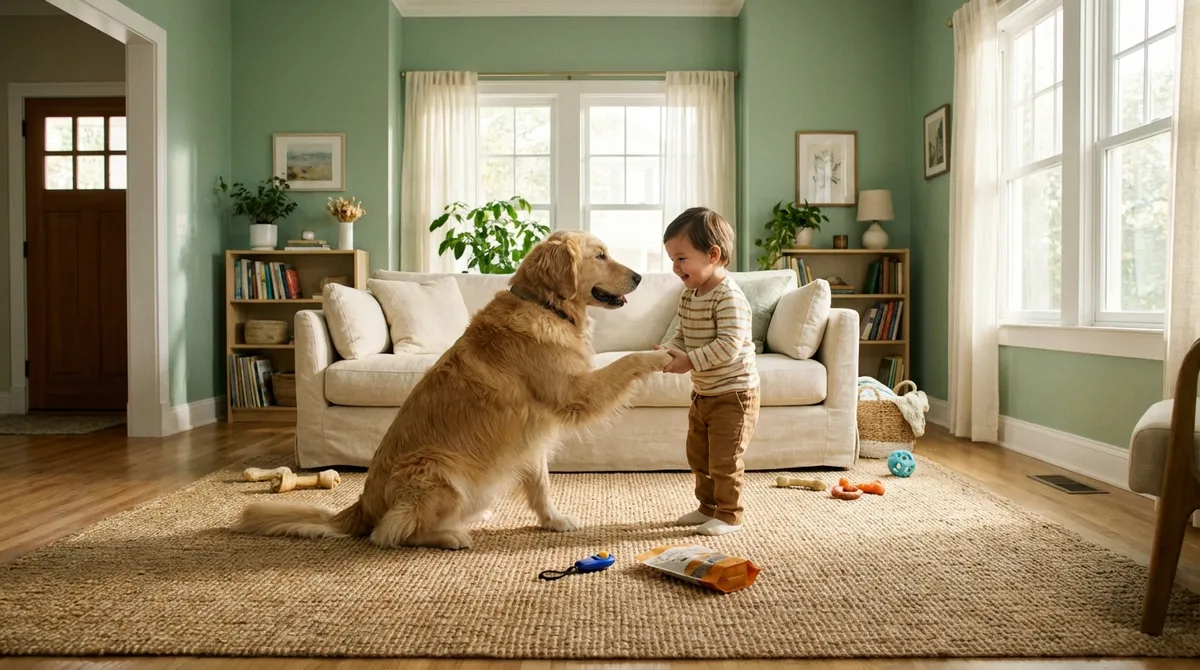
- Hand target (“touch”): Dog boops their nose to your hand; helpful for redirection away from distractions or moving them gently without pulling.
- Stay or “wait”: Builds impulse control and keeps them safe at doors, curbs, or around food.
- Leave it: Teaches your dog to disengage from dropped food, wildlife, or unsafe items.
For cats, surprisingly similar foundations help:
- Name recognition: Reward when they look at you or come closer.
- Targeting (nose to finger or target stick): Useful for guiding them onto scales, into carriers, or to new furniture.
- Going to a mat or bed: Teaches a calm “parking spot” for nail trims, guests, or feeding time.
- Accepting handling: Gently pairing treats with brief touches to paws, ears, and mouth makes vet visits less stressful.
Keep sessions 3–5 minutes, a few times a day, especially with kittens, puppies, and easily bored adults. End while your pet is still interested—this leaves them wanting more next time.
Breed-Specific Tips: Training with Your Pet’s Genetics, Not Against Them
Breed tendencies aren’t destiny, but they do shape how your pet experiences the world. Working with those instincts makes training smoother and more humane.
Herding and Working Dogs (Border Collies, Aussies, Corgis, German Shepherds)
These dogs are built to think, move, and control motion. Without direction, they may herd children, chase bikes, or become anxious.
- Turn that brainpower into structured games: herding balls, scent games, puzzle toys, and obedience patterns.
- Teach solid “leave it” and “recall” early, especially around moving objects or livestock.
- Provide daily mental work, not just long walks—training sessions, trick training, or nose work.
- Watch for over-arousal; slow, calming sniff walks can help balance their intensity.
Toy and Companion Breeds (Cavalier King Charles Spaniels, Maltese, Pomeranians, Chihuahuas)
Small dogs often get less formal training, but they need structure just as much—maybe more.
- Avoid carrying them everywhere; let them walk, explore, and learn the same house rules as larger dogs.
- Use very small treats to prevent overfeeding and protect sensitive stomachs.
- Socialize gently: positive experiences with kind adults, kids, and dogs of various sizes.
- Teach “place” or “bed” so they have a safe retreat when overwhelmed.
Scent Hounds and Hunting Breeds (Beagles, Basset Hounds, Labradors, Pointers)
These dogs are nose-led explorers with incredible focus on smells and movement.
- Use their strengths: treat scatter games, scent trails, and sniff walks where following their nose is allowed.
- Train recall on a long line first; their instincts can overpower early training if off leash too soon.
- Reward heavily for checking in with you on walks; make yourself more interesting than the next smell.
- For retrievers, games like fetch and “find it” reinforce natural behaviors in a controlled way.
Terriers
Independent and driven, terriers were bred to go after small animals and solve problems solo.
- Keep sessions fun and fast-paced with tug toys or quick food rewards.
- Incorporate digging appropriately: sandboxes or designated dig spots instead of your garden.
- Practice impulse control (sit, wait, leave it) around fast movement, toys, or small pets.
- Use secure fencing and leashes; many terriers are skilled escape artists.
Cats: Play Styles by Personality, Not Just Breed
While individual personality matters more than breed for most cats, some general patterns help:
- Active, athletic cats (including many Bengals, Abyssinians, and young domestic shorthairs) thrive on clicker training, fetch, and obstacle courses.
- Calmer or more reserved cats may prefer nose-targeting, slow puzzle feeders, and gentle handling sessions.
- Long-haired or flat-faced breeds (Persians, Himalayans) may need extra patience with grooming desensitization due to coat and facial structure.
Regardless of breed, always treat your pet as an individual. If a “typical” trait doesn’t fit your animal, follow their lead.
Product Picks That Support Training (Without Replacing It)
Tools don’t train pets—people do—but thoughtful gear can remove friction and keep everyone safer.
For dogs, consider:- Harnesses: A well-fitted front‑clip harness can reduce pulling and protect the neck. Look for padded straps and multiple adjustment points.
- Leashes: A standard 4–6 ft leash is ideal for training. Retractable leashes are best avoided during early training—they teach constant pulling.
- Clicker or marker word: A clicker or a clear word like “yes!” marks the instant your pet gets it right, improving timing.
- Interactive toys: Kongs, treat-dispensing balls, and lick mats help with crate training, alone time, and calming.
- High-value treats: Soft, smelly treats (or bits of cooked chicken) are usually more motivating than crunchy kibble.
- Clicker or pen-click: Many cats respond beautifully to clicker training for tricks and husbandry care.
- Scratchers in various styles: Vertical posts, horizontal pads, and angled scratchers let you redirect scratching away from furniture.
- Carrier plus cozy bedding: Leave the carrier out as a “normal” bed instead of only appearing for vet visits; pair it with treats and play to build positive associations.
Whenever you choose a new tool, ask: “Does this make it easier for my pet to succeed and feel safe?” If it seems mainly designed to cause discomfort (like shock or prong collars), skip it and discuss alternatives with a qualified trainer or veterinarian.
When to Call in Reinforcements: Trainers, Behaviorists, and Your Vet
Some challenges—like mild pulling or basic manners—respond well to DIY training. Others are more complex and deserve professional help early.
Situations where it’s wise to seek guidance:
- Growling, snapping, biting, or serious resource guarding
- Severe separation distress (destructive behavior, constant howling, self-injury)
- Extreme fear (freezing, hiding, or panic in everyday situations)
- Sudden behavior changes in a previously stable pet
- Compulsive behaviors (tail chasing, excessive licking, pacing)
Your first stop should be your veterinarian, who can rule out pain, illness, or hormonal issues that often contribute to behavior changes. From there, you may be referred to:
- A force-free, reward-based trainer (look for certifications like CPDT-KA or strong continuing education and transparent methods).
- A veterinary behaviorist (a veterinarian with specialized training in behavior, often able to prescribe medication if needed).
Ask any professional exactly how they work. Words like “balanced” or “dominance-based” can sometimes hide punishment-heavy methods. Look for trainers who emphasize consent, choice, and making learning fun, not scary.
Conclusion
Training isn’t about perfect obedience; it’s about shared understanding. When you meet your pet with kindness, respect their instincts, and celebrate small steps, training becomes less of a chore and more of a daily ritual you both enjoy.
By shaping your home to support good habits, learning your pet’s body language, and choosing gentle, evidence-based methods, you create a life where your dog or cat can relax, learn, and trust you deeply. And that trust—built in a thousand tiny training moments—is what truly transforms behavior from the inside out.
If a behavior feels overwhelming or scary, you’re not failing; you’re just ready for more support. Your vet, qualified trainers, and behavior professionals are part of your pet’s care team, right alongside you.
Sources
- American Veterinary Medical Association – Animal Behavior and Training - Overview of humane, reward-based training and when to seek professional help
- American College of Veterinary Behaviorists – Resources - Guidance on behavior issues and the role of veterinary behaviorists
- American Kennel Club – Dog Training Basics - Practical training tips and breed-specific considerations for dogs
- Cornell University College of Veterinary Medicine – Understanding Cat Behavior - Cat behavior insights that support effective, low-stress training
- RSPCA – Training your pet - Welfare-focused training advice emphasizing positive reinforcement and emotional wellbeing