Everyday Dog Joy: Turning Daily Moments Into Lifelong Wellness
Life with a dog isn’t just about “being a good pet parent”—it’s about building a daily rhythm where your pup feels safe, understood, and joyfully tired at the end of the day. Instead of thinking only in terms of food, walks, and vet visits, you can shape every little moment—playtime, grooming, cuddles—into something that supports your dog’s body and mind. In this guide, we’ll blend expert, veterinarian-backed advice with real‑life, practical tips, plus breed-specific insights and product ideas to help your dog truly thrive.
Understanding Your Dog’s “Normal”: The Foundation of Good Care
Before you can spot problems, you need to know what “normal” looks like for your individual dog. This is one of the most powerful (and overlooked) parts of everyday care.
Start by quietly observing your dog over a week or two. Notice their usual energy level, appetite, thirst, bathroom habits, sleep patterns, and how much they shed. Also watch for how they typically react to noises, strangers, and other dogs. Jot a few notes down in your phone; this becomes your personal “baseline.”
Why this matters: when something is off—more panting, less interest in food, suddenly hiding, drinking a lot more water—you’ll catch it sooner. Early detection often means simpler treatments and less stress for both of you. Vets love when guardians can describe changes accurately; it makes diagnosis faster and more precise.
Breed and size play a role here, too. For example, a Greyhound’s “normal” resting heart rate and body fat are very different from a Pug’s. Toy breeds may nap more and eat smaller, more frequent meals, while working breeds often need more intense physical and mental activity to feel content. Over time, you’ll become the world’s leading expert on your dog—and that’s one of the most loving things you can offer them.
Daily Movement That Matches Your Dog’s Body and Brain
Exercise isn’t just “taking them out.” The type of activity, and how it matches your dog’s age, breed, and personality, makes a huge difference in health and behavior.
High‑energy and working breeds (Border Collies, Australian Shepherds, Belgian Malinois, Huskies) often need structured outlets: brisk walks, jogs (once adults), fetch with rules, scent games, agility, or herding‑style activities. Without a job to do, they can easily slide into destructive or anxious behaviors.
Companion and toy breeds (Cavalier King Charles Spaniels, Shih Tzus, Maltese, Chihuahuas) still need exercise, but in shorter, gentler bursts. Several 10–15 minute walks, light play, and indoor games often suit them better than long, high‑impact sessions. Many will happily do “hallway fetch” or follow you during simple at‑home workouts.
For large and giant breeds (Labradors, Golden Retrievers, German Shepherds, Great Danes, Newfoundlands), joint‑friendly exercise is key. Stick to steady, moderate movement—brisk walking, swimming, controlled fetch on soft ground—and avoid repeated high jumps or rough, twisting play, especially while they’re still growing. Ask your vet when it’s safe to start running or high‑impact sports; for some big breeds, growth plates don’t fully close until 18–24 months.
Helpful product ideas:
- Front-clip harness for dogs who pull (e.g., 2 Hounds Design Freedom Harness, PetSafe Easy Walk) to reduce strain on the neck and make walks calmer.
- Reflective gear (leashes, collars, harnesses, LED tags) for early-morning or evening walks.
- Interactive balls and tug toys (e.g., Chuckit!, West Paw) sized correctly for your dog’s mouth to avoid choking hazards.
A good rule of thumb: after exercise, your dog should look pleasantly tired, not wiped out or limping. If they seem stiff, sore, or unusually sluggish afterward, scale back and talk to your vet.
Enrichment: Keeping Your Dog’s Mind Calm and Busy
A tired dog is not just a physically tired dog—mental fatigue is just as important, and often more effective in calming high-energy or anxious pups.
Try weaving small “brain games” into your dog’s day:
- Mealtime puzzles: Instead of a regular bowl, use a puzzle feeder, snuffle mat, or treat ball to encourage sniffing, pawing, and problem-solving. Brands like KONG, Outward Hound, and Nina Ottosson offer a range from beginner to advanced.
- Scatter feeding: For scent‑driven breeds (Beagles, Basset Hounds, many mixed breeds), toss some kibble into the grass or around a snuffle mat and let their nose work.
- Mini training breaks: Two to five minutes of “sit,” “down,” “stay,” “touch,” and “leave it” a few times a day. This builds impulse control and strengthens your bond.
- DIY scent games: Hide a favorite toy or a few treats in one room and encourage your dog to “find it.”
Certain breeds are especially enrichment-hungry. Border Collies, Poodles, German Shepherds, and many terriers need problem-solving challenges. Without them, they often invent their own “projects”—like digging the backyard or dismantling your couch. Meanwhile, brachycephalic (flat-faced) breeds like Bulldogs and Pugs may do best with low-intensity puzzles that don’t require a lot of intense breathing.
If your dog tends to gulp food or struggles with weight, puzzle feeders can slow eating and support healthier digestion and weight management. Always start with easier toys so they don’t become frustrated, and supervise at first to be sure your dog isn’t chewing apart non-chewable parts.
Breed-Specific Care: Tiny Details That Matter Long-Term
Each breed (and mixed-breed combination) carries certain tendencies—some adorable, some medical—that you can work with, not against. A few examples:
Flat‑faced breeds (French Bulldogs, Pugs, Boston Terriers, Shih Tzus)These dogs often have breathing challenges and can overheat quickly. Keep walks shorter on hot or humid days, use a harness instead of a collar, and avoid intense games of fetch in warm weather. Air conditioning, cooling mats, and shaded rest spots are more than “nice to have”—they’re safety essentials.
Large, deep‑chested breeds (Great Danes, Dobermans, Weimaraners, Standard Poodles)These dogs have a higher risk of bloat (gastric dilatation-volvulus). Talk with your vet about:
- Using raised bowls only if recommended specifically for your dog.
- Feeding multiple smaller meals rather than one large one.
- Avoiding vigorous exercise right before and after meals.
In some high-risk breeds, vets may recommend a preventive surgery (gastropexy) when they are spayed or neutered.
Long‑backed breeds (Dachshunds, Corgis, some mixed breeds)They’re more prone to spinal issues. Use ramps or steps for getting on and off furniture, discourage jumping from high places, and keep them at a lean body condition. A supportive harness that doesn’t put pressure on the neck alone is helpful.
High‑drive workers (Border Collies, Australian Shepherds, Malinois, working-line German Shepherds)Mental and physical jobs are practically a medical need. Activities like agility, nose work, rally, herding trials, or advanced obedience can prevent behavior problems. Skipping structured outlets often leads to anxiety, chasing cars or bikes, and obsessive behaviors.
Mixed‑breed dogs deserve the same thoughtfulness. If you’re unsure of their background, a DNA test (from reputable brands) can offer clues about inherited risks and energy needs—but your dog’s behavior and body shape tell you a lot even without a test.
Grooming as a Health Check, Not Just a Beauty Routine
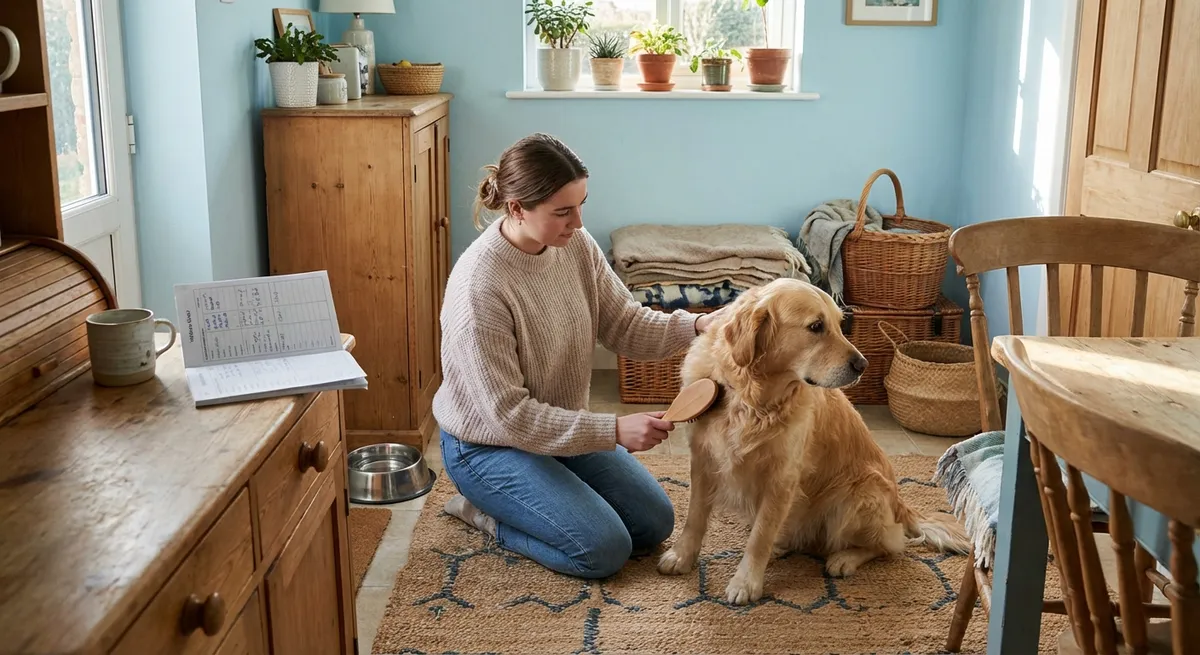
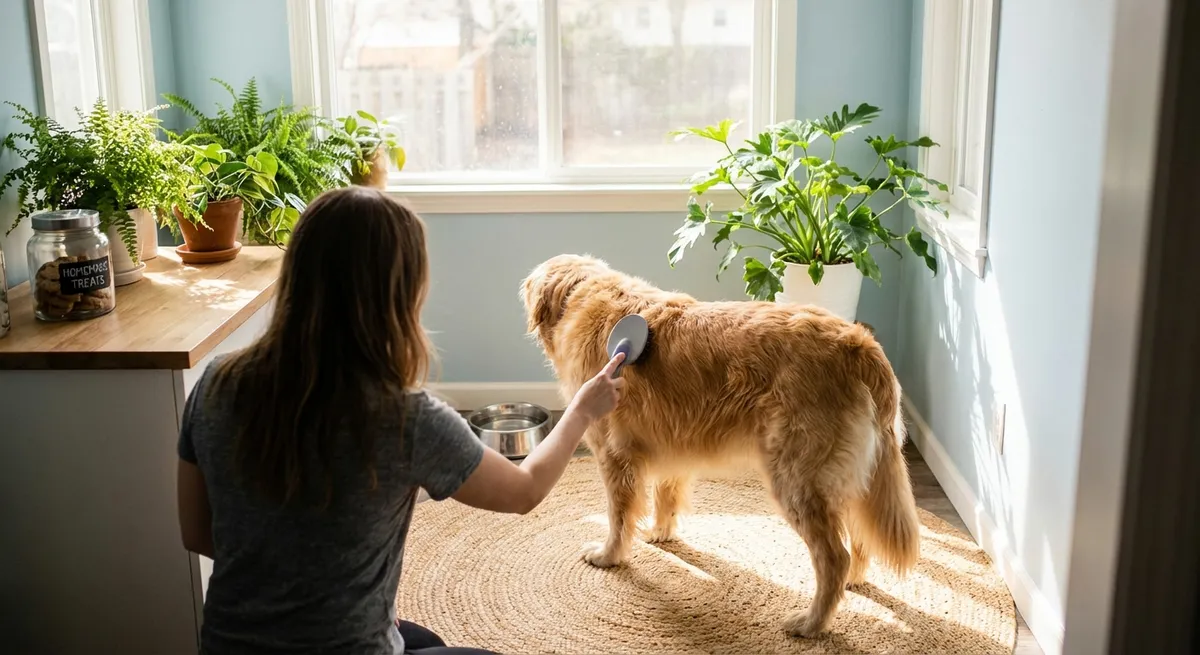
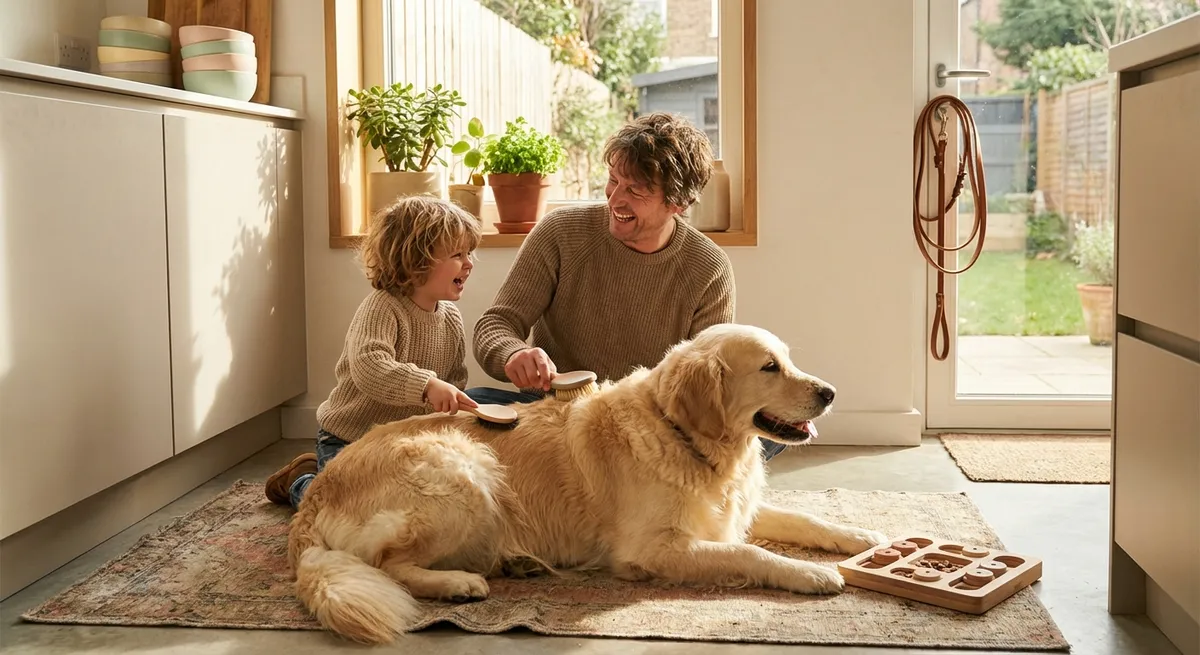
Grooming is far more than keeping your dog “looking nice.” Every brushing session is a chance to quietly check their health from nose to tail.
During regular grooming, look for:
- New lumps or bumps
- Redness, scabs, or flaky skin
- Ticks or fleas (especially near ears, neck, and tail base)
- Unusual odors from ears, skin folds, or mouth
- Cracked, overgrown, or worn-down nails
Coat type shapes your grooming routine:
- Double-coated breeds (Huskies, German Shepherds, Golden Retrievers, many mixes) benefit from regular de-shedding brushes, especially during seasonal shedding, but generally should not be shaved; their coat helps regulate temperature.
- Curly and wavy coats (Poodles, Doodles, Bichon Frise) need frequent brushing and regular professional grooming to prevent matting, which can be painful and hide skin infections.
- Short, sleek coats (Boxers, Pit Bulls, Dobermans) may seem “low maintenance” but still need brushing, skin checks, and sun protection—some light-coated dogs can get sunburned.
Gentle product ideas:
- Soft-bristle or slicker brush matched to coat length.
- Fragrance-free, dog-safe shampoo (especially for sensitive skin) and separate conditioner for long coats.
- Ear-cleaning solution recommended by your vet, especially for floppy-eared breeds like Cocker Spaniels and Basset Hounds.
- Canine toothbrush and enzymatic toothpaste—brushing several times a week is one of the best long-term health habits you can build.
If your dog suddenly resists grooming in an area they previously tolerated, it can be a sign of pain or a developing skin issue that needs a vet’s attention.
Everyday Products That Truly Help (and How to Choose Them)
The pet market is overflowing with gear and gadgets, and it’s easy to feel overwhelmed. Focus on function, safety, and your vet’s guidance rather than marketing claims.
Core categories to pay attention to:
1. Nutrition and treatsLook for brands that follow established nutritional standards (like AAFCO in the U.S.) and have veterinary nutritionists on staff. For most healthy dogs, a complete and balanced commercial diet is ideal. Reserve “extras” for:
- Low‑calorie training treats
- Limited-ingredient treats for dogs with allergies
- Vet‑recommended dental chews
Avoid feeding large amounts of high‑fat human foods (like bacon, sausage, or fatty meats), which can trigger pancreatitis in some dogs.
2. Joint and wellness supportFor large breeds, seniors, and very active dogs, your vet may suggest:
- Joint supplements with glucosamine, chondroitin, and omega‑3s
- Orthopedic beds for joint cushioning
- Non‑slip rugs or runners on slippery floors
Always run supplements by your veterinarian; “natural” doesn’t necessarily mean “safe” or “necessary” for your specific dog.
3. Safety and comfort gear- A properly sized crate or safe zone can be a cozy den, not a punishment, if introduced gently.
- Seat-belt harnesses or crash-tested car crates protect your dog in the car.
- Anxiety wraps, calming pheromone diffusers, or white-noise machines can help sensitive dogs during storms or fireworks—but should complement, not replace, behavior and training support.
If you’re unsure about a product, ask your vet or a certified trainer/behavior consultant, especially for anything related to training collars, calming aids, or supplements.
Partnering With Your Veterinarian (and When to Ask for Extra Help)
Your veterinarian is your dog’s primary health partner, and regular wellness visits do more than just vaccines. They’re a chance to:
- Update your dog’s weight and body condition score.
- Catch dental disease early.
- Adjust parasite prevention (fleas, ticks, heartworm).
- Screen for age‑related issues like arthritis, kidney disease, or hormonal problems.
Puppies and seniors often need more frequent checkups. Many vets recommend annual visits for healthy adults and twice-yearly visits for seniors or dogs with chronic conditions.
You may also benefit from collaborating with:
- A certified professional dog trainer (CPDT) or veterinary behaviorist if you’re seeing signs of anxiety, aggression, reactivity, or compulsive behaviors.
- A rehabilitation veterinarian or canine physical therapist for dogs recovering from surgery, injury, or struggling with mobility.
Trust your instincts. If your dog “just seems off” and you can’t quite say why, it’s absolutely valid to schedule a vet visit or at least call and ask for guidance. You see your dog every day—those subtle changes matter.
Conclusion
Caring for your dog isn’t about being perfect—it’s about being present, observant, and willing to keep learning. When you tune into your dog’s “normal,” choose movement and enrichment that fit their body and brain, and use grooming and daily routines as mini health checkups, you give them more than comfort. You give them security, predictability, and the steady, loving care that lets them relax and enjoy being a dog.
Every walk, every silly game, every quiet cuddle on the couch is a small investment in their long‑term health. And your dog, in all their tail-wagging, zooming, snuggling glory, will pay you back a hundred times over.
Sources
- American Veterinary Medical Association (AVMA) – Dog Care - Overview of core dog health, preventive care, and safety recommendations
- American Kennel Club – Breed Explorer - Detailed, breed-specific information on exercise, grooming, and health tendencies
- American College of Veterinary Surgeons – Gastric Dilatation-Volvulus (Bloat) in Dogs - Explains risk factors and prevention strategies for large, deep-chested breeds
- Cornell University College of Veterinary Medicine – Canine Dental Health - Evidence-based guidance on dental care and disease prevention in pets
- U.S. Food & Drug Administration (FDA) – Safe Pet Food Handling and Nutrition - Information on choosing and handling pet food and treats safely