
Everyday Dog Joy: Building a Happy, Healthy Life With Your Pup
Dogs don’t just share our homes—they share our lives, our routines, and our moods. Caring for them isn’t about perfection or fancy gear; it’s about thoughtful choices, small daily habits, and understanding what your dog needs. This guide brings together trusted veterinary advice, breed-specific insight, and practical product ideas to help you create a life your dog truly thrives in.
Understanding Your Dog’s Unique Blueprint
Every dog comes with a “built-in” blueprint: genetics, breed tendencies, age, and personality. The more you understand that blueprint, the easier it is to support their health and happiness.
Large breeds like Labrador Retrievers, German Shepherds, and Golden Retrievers often face joint challenges, weight gain, and hip or elbow issues. They usually benefit from slow, steady growth as puppies, joint-supportive diets, and low-impact exercise like swimming or leash walks on soft ground. In contrast, small breeds such as Chihuahuas, Yorkies, and Maltese tend to be more prone to dental disease, luxating patellas (knee issues), and low blood sugar when very young. They may need more frequent small meals, regular dental care, and careful handling to protect their joints.
Brachycephalic (short-nosed) dogs like Pugs, French Bulldogs, and Bulldogs have special respiratory concerns. They can overheat quickly, struggle with intense exercise, and often snore or breathe noisily. For these dogs, extra care with temperature, harness selection, and weight control isn’t optional—it’s essential. Meanwhile, working and herding breeds (Border Collies, Australian Shepherds, Belgian Malinois) need substantial mental and physical outlets to stay balanced; if they’re bored, they may “invent” jobs like herding kids or chewing furniture.
Your veterinarian can help you map out your dog’s risks and strengths based on breed, mix, or physical traits. Ask specific questions: “What are the top three health issues I should watch for in this breed?” and “How much daily exercise and mental stimulation is realistic for a dog like mine?” Tailoring care to your dog’s blueprint makes your efforts more effective—and your dog’s life more comfortable.
Daily Routines That Support Lifelong Health
Dogs feel safest and happiest when life is somewhat predictable. A loose but consistent daily rhythm helps their bodies and minds stay balanced. Try anchoring each day with regular times for meals, potty breaks, walks, play, and rest. This predictability supports digestion, reduces anxiety, and makes training easier.
Feeding on a schedule, rather than free-feeding, helps maintain a healthy weight and lets you quickly notice appetite changes—one of the earliest signs of illness. Measuring food with a proper scoop or kitchen scale (instead of “eyeballing it”) can prevent sneaky weight gain, especially in spayed/neutered and indoor dogs who burn fewer calories. For puppies and young, energetic adults, you can split food into two or three meals to keep energy more stable throughout the day.
Sleep is another major pillar of health that often gets overlooked. Most adult dogs need 12–14 hours of sleep or rest per day, and puppies or seniors often need more. Providing a quiet, comfortable place where they won’t be disturbed helps them settle. If you live in a busy home, consider a crate with a soft bed or a gated area where your dog can retreat when they’re tired.
Regular potty breaks support urinary health and prevent accidents, especially in small dogs and seniors who may need more frequent opportunities. For many adults, three to five trips outside spread across the day is ideal. Incorporating short training sessions into these everyday moments—like practicing “sit” before going out the door—strengthens good manners without feeling like “extra work” for you.
Exercise That Matches Your Dog’s Body and Brain
Healthy exercise isn’t just “a tired dog is a good dog.” It’s about the right kind of tired: mentally satisfied and physically comfortable, not overworked or sore. Age, breed, and health status matter more than arbitrary step counts or mileage.
For high-energy working breeds (Border Collies, Kelpies, Huskies), simply walking around the block usually isn’t enough. They often thrive with structured activities like jogging (when growth plates are closed), hiking, scent work, agility, or fetch combined with brain games like puzzle toys and trick training. Without that outlet, they may develop anxiety, destructive habits, or obsessive behaviors.
In contrast, brachycephalic dogs and short-legged breeds (Dachshunds, Corgis, Basset Hounds) often do best with multiple shorter walks rather than one long, intense outing. Watch for signs of fatigue: excessive panting, lagging behind, lying down, or refusing to move. For these dogs, flat ground, cooler times of day, and avoiding extreme heat or cold are especially important.
Large and giant breeds (Great Danes, Mastiffs, Newfoundlands) have growing joints that are easily stressed. For puppies and adolescents, prioritize controlled exercise—leash walks, gentle play, and swimming—over repetitive high-impact activities like long-distance running or constant jumping. Your vet can guide you on when growth plates are typically closed and what intensity is appropriate at each stage.
Senior dogs, and those with arthritis or chronic conditions, still benefit from movement—it helps maintain muscle, support joints, and keep the mind sharp. Shorter, more frequent walks, gentle range-of-motion exercises, and low-impact activities like sniff walks or underwater treadmill therapy (under professional guidance) can be ideal. When in doubt, ask your veterinarian for an exercise plan tailored to your dog’s age and health.
Thoughtful Product Choices That Truly Help
The pet market is overflowing, and not every cute or popular product is a good fit. Focusing on a few high-quality, well-chosen essentials can make your dog’s life more comfortable and your care routine easier.
For walks, most veterinarians and trainers recommend a well-fitted harness rather than relying solely on a collar, especially for small breeds, brachycephalic dogs, and dogs that pull. Harnesses that distribute pressure across the chest and shoulders (rather than the neck) can reduce strain on the trachea and cervical spine. Avoid harnesses that rub under the armpits or restrict natural shoulder movement; if you’re not sure, ask a vet tech or trainer to check the fit.
Bedding should match your dog’s size, age, and health. Orthopedic or memory-foam beds are particularly helpful for seniors, large breeds, and dogs with joint disease. Raised cots allow airflow and can be gentler on joints for big dogs who get hot easily. For short-coated or tiny dogs, bolster beds or covered “cave” beds can provide extra warmth and security. If your dog has accidents or incontinence, look for beds with washable covers and waterproof liners.
When it comes to toys, think safety first: choose sizes that can’t be swallowed, avoid easily shredded items for heavy chewers, and supervise when introducing anything new. Food-stuffable chew toys (like many rubber or nylon brands) can slow eating, satisfy chewing needs, and act as mental enrichment. For puzzle feeders, start with easier levels and slowly increase difficulty so your dog feels successful instead of frustrated.
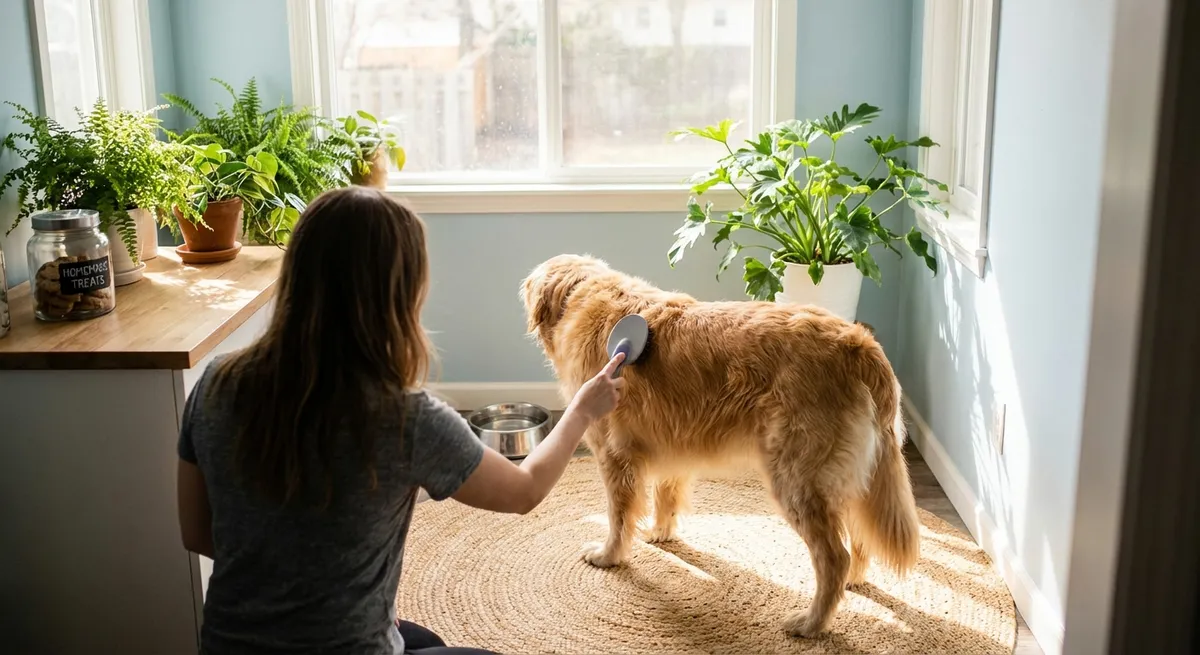
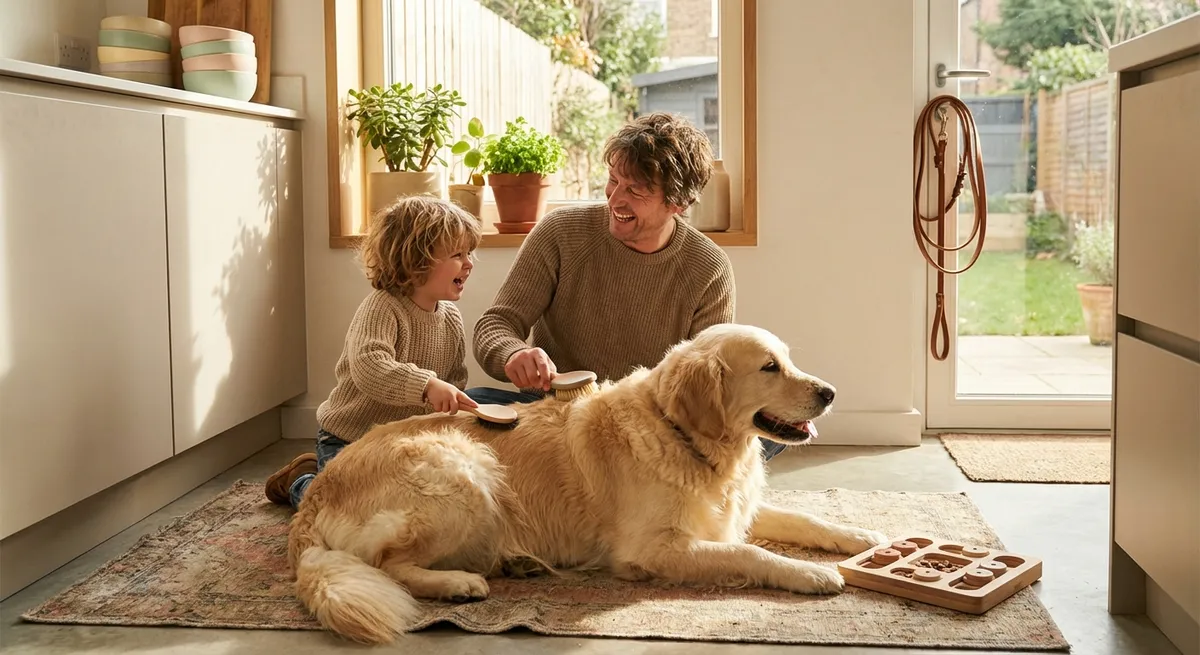
For grooming, select products made specifically for dogs, as human shampoos and some essential oils can irritate canine skin or be toxic if ingested. Nail clippers or grinders designed for dogs, a soft-bristle or slicker brush appropriate for your dog’s coat type, and a gentle ear cleaner recommended by your vet will cover most basics. If your dog is fearful with grooming tools, introducing them slowly with treats and breaks can prevent long-term aversions.
Breed-Specific Care Tips You Can Put Into Practice
While every individual is different, certain breeds and breed groups benefit from tailored attention in a few key areas.
Flat-faced breeds (Pugs, French Bulldogs, English Bulldogs, Shih Tzus) often need extra help with cooling, breathing, and skin folds. Keep them in air-conditioned spaces in hot weather, avoid intense play in heat or humidity, and monitor breathing closely. Clean and gently dry facial folds and tail pockets as recommended by your vet to reduce infection risk. Many also benefit from slow-feed bowls or puzzle feeders if they tend to gulp food, which can reduce choking and vomiting.
Toy and small breeds (Chihuahuas, Toy Poodles, Yorkies) generally require consistent dental care. Their small mouths can crowd teeth, making them especially prone to tartar, gum disease, and early tooth loss. Daily tooth brushing with dog-safe toothpaste is ideal, but even several times a week can help. Regular veterinary dental check-ups and cleanings are especially important for these breeds. Because of their size, falls or rough handling can cause serious injuries, so teach children to sit calmly when interacting and always support the body, not just the front legs.
Long-backed breeds like Dachshunds, Corgis, and Basset Hounds are more prone to spinal problems such as intervertebral disc disease (IVDD). Keeping them lean, avoiding frequent jumping off furniture, and using stairs or ramps to access couches and beds can help protect the spine. If you notice sudden difficulty walking, yelping when picked up, or dragging legs, consider it an emergency and see a vet immediately.
Herding and working breeds (Border Collies, Australian Shepherds, German Shepherds) thrive when given jobs, structure, and mental challenges. Activities like scent work, obedience, agility, or even learning names of toys can channel their intelligence and energy in healthy ways. Without these outlets, they may develop anxiety, excessive barking, or obsessive behaviors like chasing lights or shadows.
Mixed-breed dogs can share traits from both sides of their heritage, so tools like Embark or Wisdom Panel tests (while not perfect) can sometimes hint at breed-related risks. Regardless of breed, your dog’s actual behavior, body condition, and medical history should guide your care decisions.
Vet-Backed Preventive Care That Truly Matters
Preventive care sets the foundation for a longer, more comfortable life. Rather than thinking of vet visits as something you do only when your dog is sick, view them as regular check-ins to catch small issues before they become big, expensive ones.
Core vaccinations (like distemper, parvo, and rabies) and region-specific preventives (such as those for Lyme or leptospirosis) protect your dog from dangerous diseases. Your veterinarian will tailor a schedule based on your dog’s age, lifestyle, and local risks. Parasite prevention (for fleas, ticks, and heartworms) is equally essential, even for mostly indoor dogs, because many parasites can ride in on humans, other pets, or wildlife in your yard.
Annual or semi-annual wellness exams allow your vet to track changes in weight, heart and lung sounds, teeth, skin, and mobility. For seniors, many vets recommend lab work (blood and urine tests) once or twice a year to spot changes in kidney, liver, thyroid, or blood cell counts early. This can mean catching treatable problems before your dog shows obvious signs of illness.
Dental health is one of the biggest quality-of-life factors. Plaque and tartar don’t just cause bad breath—they can lead to pain, infection, and even affect the heart and kidneys if bacteria enter the bloodstream. Your veterinarian can guide you on at-home care (brushing, dental chews that meet Veterinary Oral Health Council standards) and recommend when professional cleanings under anesthesia are needed.
Finally, don’t hesitate to discuss behavior changes, even if they seem “minor.” Increased clinginess, growling, sleeping more, pacing, or house soiling can all be early clues of medical or emotional stress. Your vet can help rule out health issues and, if needed, refer you to a qualified trainer or veterinary behaviorist.
Building a Relationship That Feels Safe and Loving
Dogs don’t need perfect humans; they need consistent, kind ones. The way you interact with your dog on a daily basis shapes their sense of safety and their trust in you.
Using reward-based methods (treats, praise, toys, or access to favorite activities) makes learning enjoyable and builds confidence. Avoid harsh punishment, yelling, or physical corrections, which can damage trust and sometimes worsen problem behaviors. Instead, focus on teaching what you do want—settling on a mat, walking beside you, or coming when called—and reward generously when your dog gets it right.
Pay attention to body language: a relaxed dog has soft eyes, a loose mouth, and fluid movement. Signs of stress include lip licking, yawning when not tired, turning away, tucking the tail, or trying to move away. If your dog shows these signals during certain activities (like grooming, nail trims, or meeting new people), it’s a sign to slow down, add more distance, and use more positive reinforcement instead of pushing them through it.
In multi-dog or multi-pet homes, give each animal individual attention. Some dogs love constant play, while others prefer short, gentle interactions and a quiet space to relax. Respecting your dog’s personality and preferences—while still providing structure—creates an environment where they can truly exhale.
Above all, remember that your dog doesn’t judge your bad days or your mistakes. They’re reading your tone, your calmness, and your willingness to show up for them. Small, consistent moments of connection—a few minutes of focused petting, a short training game, or a slow walk where you let them sniff—mean more than grand gestures.
Conclusion
Caring for a dog is less about doing everything perfectly and more about listening, learning, and adjusting as they grow and change. When you match exercise to their body, choose products thoughtfully, keep up with preventive vet care, and respect their individual needs, you’re doing the most important work: giving them a life that feels safe, comfortable, and joyful.
Every dog, from the tiniest Chihuahua to the biggest Great Dane, benefits from the same core ingredients—kindness, structure, and a human who’s willing to learn. As you refine your routines and choices, you’re not just “taking care of a pet.” You’re building a partnership that makes both of your lives richer.
Sources
- American Veterinary Medical Association (AVMA) – Dog Care Basics – Overview of core dog care topics including nutrition, exercise, and preventive health
- American Kennel Club (AKC) – Breed Information Center – Detailed, breed-specific information on exercise needs, health concerns, and grooming
- Cornell University College of Veterinary Medicine – Dog Health Resources – Veterinary-backed articles on common medical issues, preventive care, and wellness (dog and cat sections)
- U.S. Food & Drug Administration (FDA) – Safe Use of Flea and Tick Products in Pets – Guidance on selecting and safely using parasite prevention products
- Veterinary Oral Health Council (VOHC) – Accepted Products for Dogs – List of dental products shown to help reduce plaque and tartar in dogs